MSI Workstation WS63 7RK-670XES RAM upgrade specifications
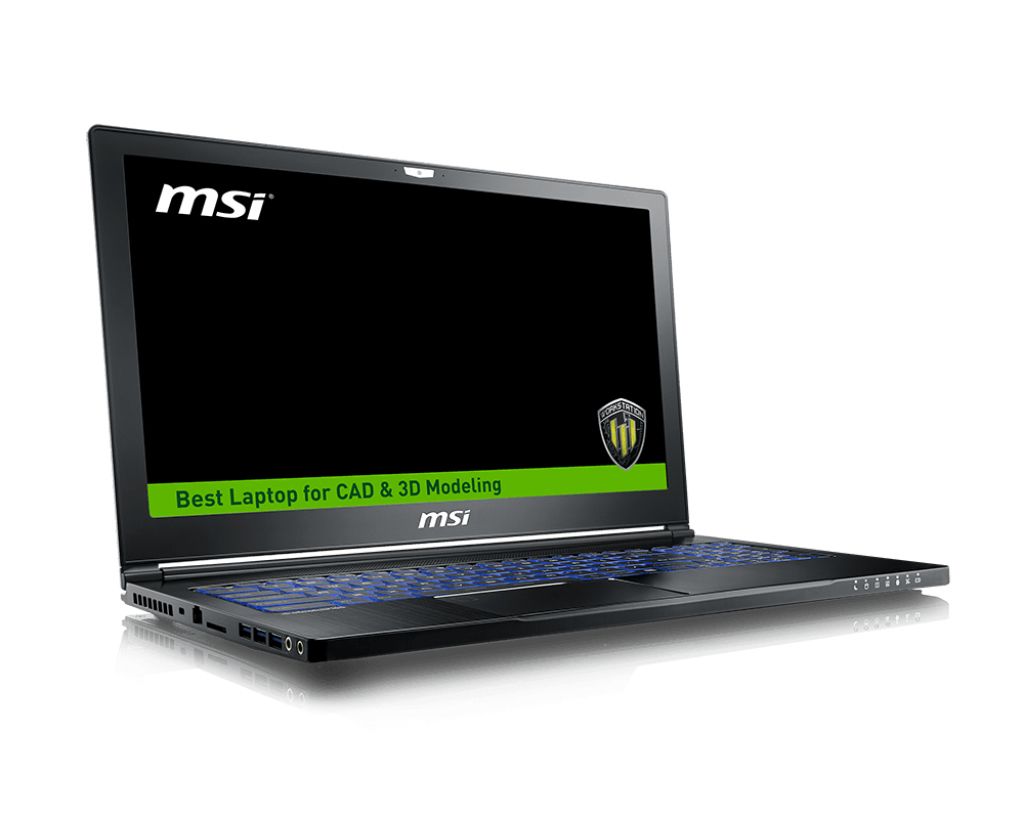
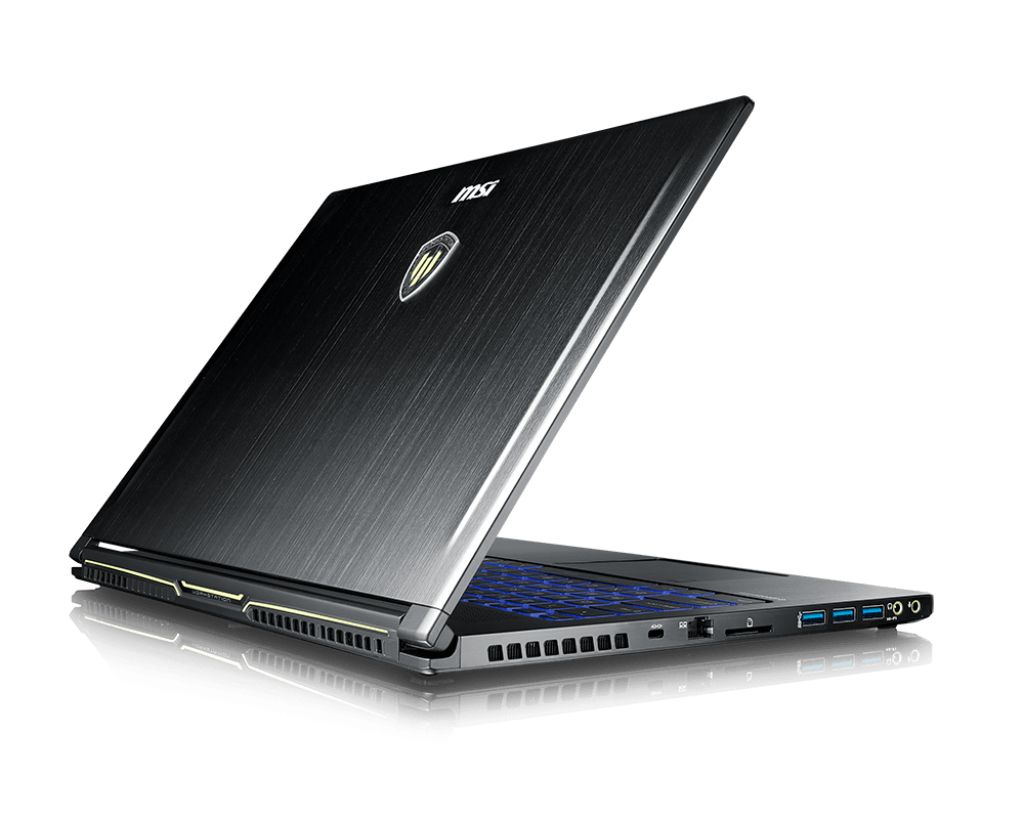
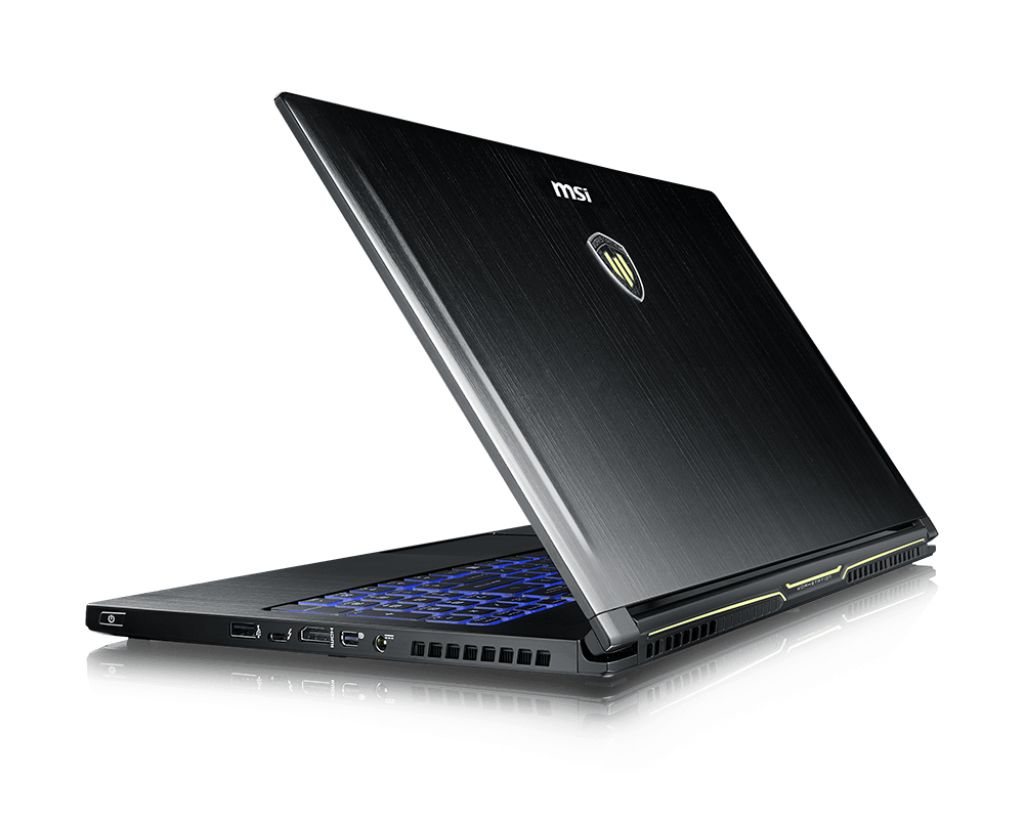
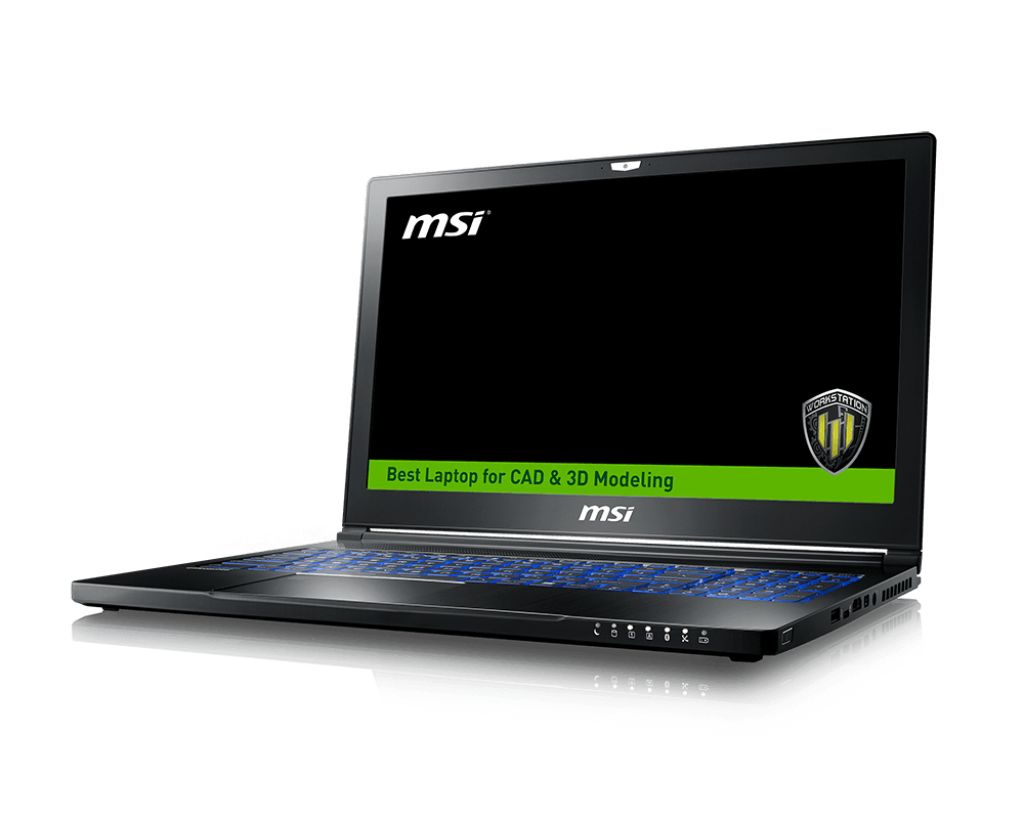
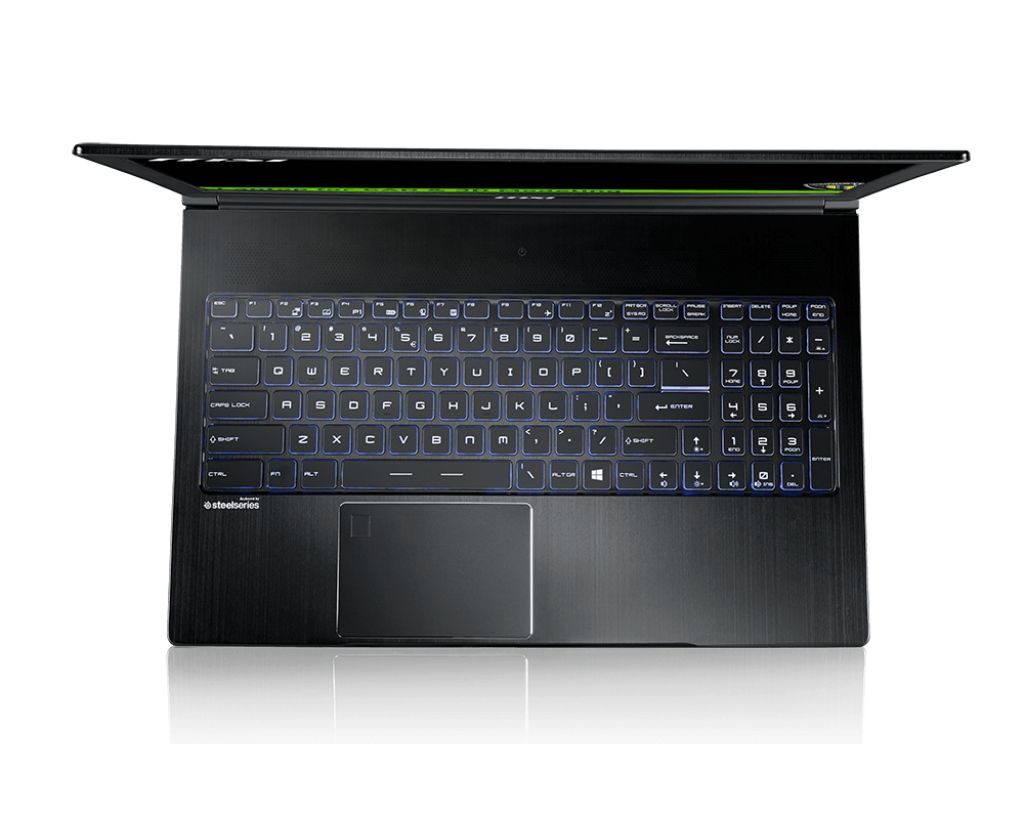
The MSI WS63 7RK-670XES Workstation series laptop features two SO-DIMM slots for DDR4-SDRAM memory upgrades. The upgrade specifications support a maximum RAM capacity of 32 GB total, operating at 2400 MHz frequency. Compatible memory modules must utilize the SO-DIMM form factor to ensure proper installation in the available slots. These specifications define the upgrade parameters for expanding the memory capacity of the MSI WS63 7RK-670XES model.
Memory Upgrade Specifications
| Specification | Value |
|---|---|
| Memory slots | 2x SO-DIMM |
| Form factor | SO-DIMM |
| Memory type | DDR4-SDRAM |
| Frequency | 2400 MHz |
| Maximum RAM | 32 GB |
| Voltage | 1.2V |
| Number of pins | 260-pin |
| Interface | PC4 |
| PC Speed Rating | PC4-2400 (PC4-19200) |
| Bandwidth | 19.2 GB/s |
| Laptop Release date | 13 January 2018 |
Additional Notes
- The 2400 MHz frequency limitation indicates a 7th generation Intel Core processor, which restricts memory speed even if faster modules are installed.
- Standard desktop DDR4 modules are physically incompatible due to the SO-DIMM requirement, necessitating the smaller laptop-specific form factor.
- The 32 GB ceiling requires symmetric 16 GB modules in both slots to achieve maximum capacity, as unequal pairing would leave potential memory unused.
- Dual-channel architecture requires matched module specifications for optimal bandwidth, though mismatched modules will typically operate at the slower module's specifications.
- The MSI WS63 7RK-670XES workstation imposes voltage compatibility at 1.2V standard for DDR4, with low-voltage variants potentially causing boot failures or instability.
- Only 2 physical slots prevent future expansion beyond the installed pair without removing existing modules entirely.
- Memory speed downclocking occurs automatically when modules rated above 2400 MHz are installed, wasting the premium paid for higher-spec components.
- ECC memory support depends on processor SKU verification, as workstation designation alone does not guarantee error-correcting capability.
- Single-rank versus dual-rank module architecture affects compatibility with the 32 GB maximum, where some dual-rank 16 GB modules may encounter chipset limitations.
- Thermal constraints in mobile workstations can throttle performance before memory bandwidth becomes the bottleneck in sustained workloads.
- Access to memory slots typically requires bottom panel removal, with potential warranty implications if tamper-evident seals are present.