MSI Workstation WS63VR 7RL-067CA RAM upgrade specifications
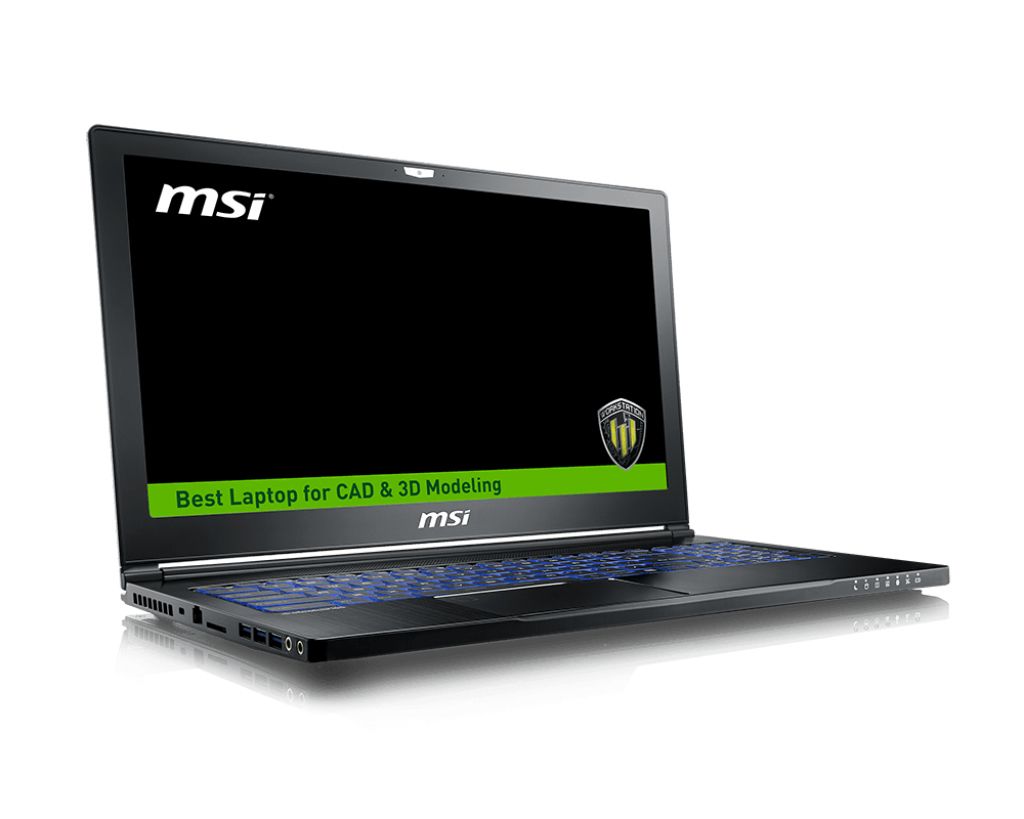


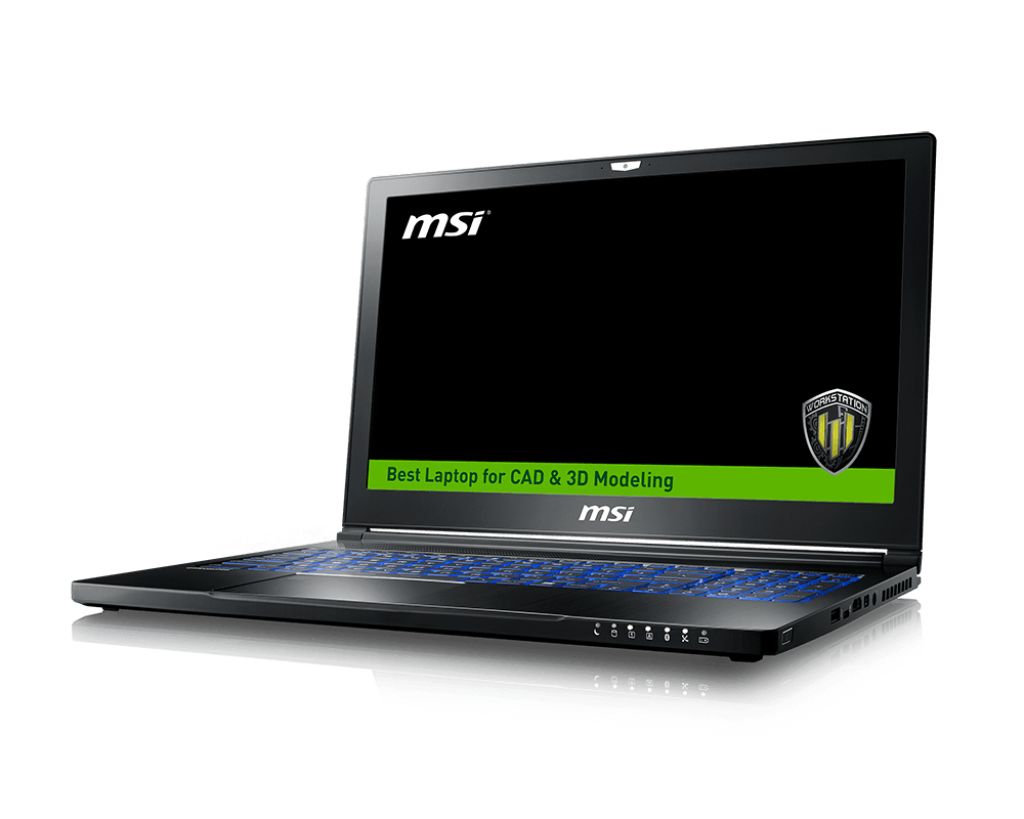

MSI WS63VR 7RL-067CA workstation features two SO-DIMM slots supporting DDR4-SDRAM memory upgrades. The series accommodates maximum RAM capacity of 32 GB with compatible memory operating at 2400 MHz frequency. The WS63 workstation supports memory expansion through dual SO-DIMM slots, enabling users to configure RAM specifications according to workload requirements. Upgrade options for the MSI workstation series remain limited to the maximum specifications outlined for this model configuration.
Memory Upgrade Specifications
| Specification | Value |
|---|---|
| Memory slots | 2x SO-DIMM |
| Form factor | SO-DIMM |
| Memory type | DDR4-SDRAM |
| Frequency | 2400 MHz |
| Maximum RAM | 32 GB |
| Voltage | 1.2V |
| Number of pins | 260-pin |
| Interface | PC4 |
| PC Speed Rating | PC4-2400 (PC4-19200) |
| Bandwidth | 19.2 GB/s |
| Laptop Release date | 21 March 2018 |
Additional Notes
- The MSI WS63VR workstation series accepts maximum 32 GB total capacity across 2 slots, restricting upgrade paths to either dual 16 GB modules or single 16 GB module installations for full capacity utilization.
- DDR4-2400 MHz frequency represents the supported standard for this generation; newer DDR4 modules rated above 2400 MHz will downclock to 2400 MHz, preventing performance gains from faster memory purchases.
- SO-DIMM form factor constrains module selection to laptop-specific memory; standard desktop UDIMM modules are physically incompatible and cannot be installed regardless of electrical compatibility.
- The 2-slot configuration creates a single upgrade scenario: replacing existing modules with higher-capacity alternatives represents the only path to increased memory; no capacity expansion occurs through adding modules to empty slots.
- Memory bandwidth throughput on this platform reaches approximately 19.2 GB/s at DDR4-2400, which may become a limiting factor for workloads involving large dataset processing or real-time rendering operations common in professional applications.
- Warranty-safe upgrade procedures require sourcing DDR4 SO-DIMM modules rated for 2400 MHz operation; modules carrying higher ratings incur no risk provided they meet voltage specifications, as hardware enforcement mechanisms prevent incompatible frequencies from causing damage.
- Latency characteristics matter more than frequency for this memory configuration; lower CAS latency timings produce measurable performance improvements in memory-intensive workloads despite frequency plateauing at 2400 MHz.