MSI Workstation WS63VR 7RL-203UK RAM upgrade specifications
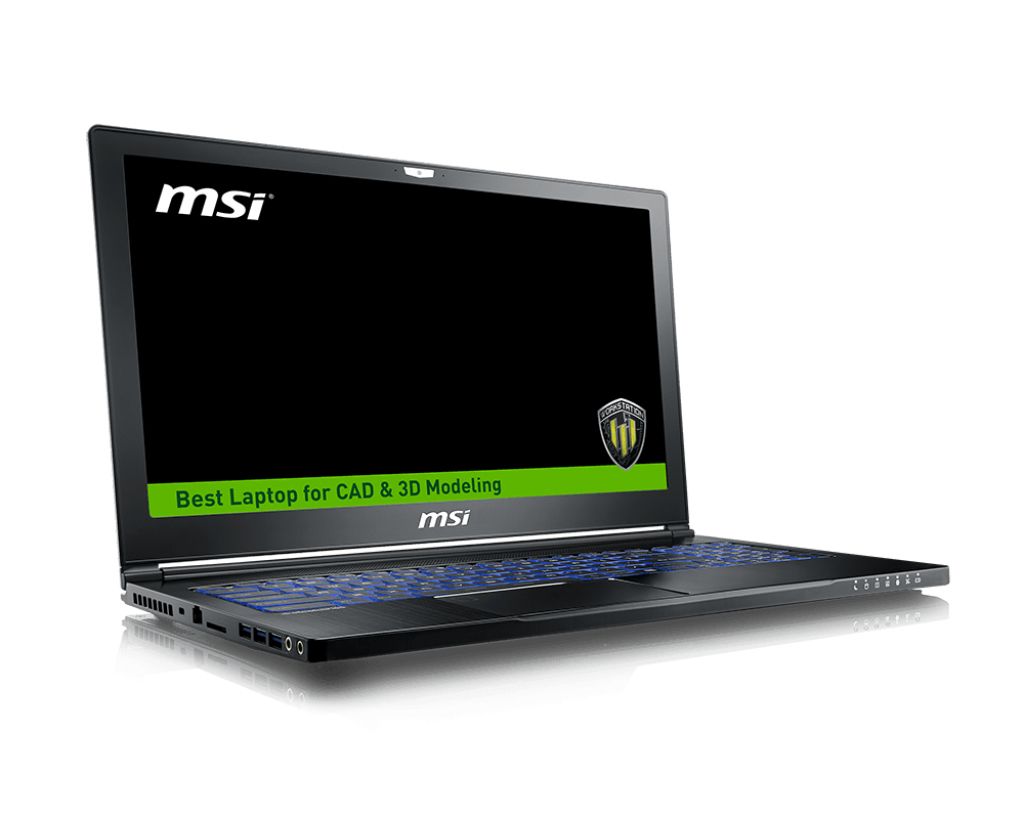

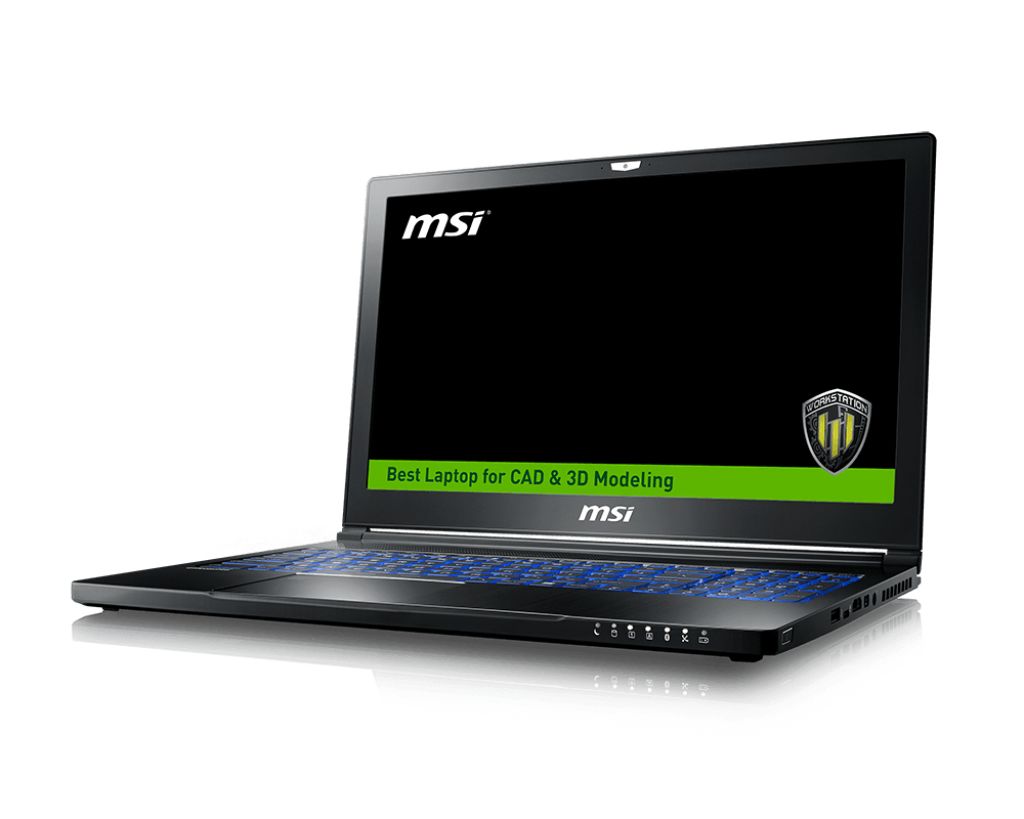


The MSI WS63VR 7RL-203UK workstation features DDR4-SDRAM memory with 2x SO-DIMM slots supporting maximum RAM capacity of 32 GB. Memory upgrades utilize SO-DIMM form factor modules operating at 2400 MHz frequency. Compatible RAM specifications enable expansion up to the maximum capacity threshold. The WS63 series workstation supports DDR4 memory upgrades for enhanced performance and multitasking capabilities.
Memory Upgrade Specifications
| Specification | Value |
|---|---|
| Memory slots | 2x SO-DIMM |
| Form factor | SO-DIMM |
| Memory type | DDR4-SDRAM |
| Frequency | 2400 MHz |
| Maximum RAM | 32 GB |
| Voltage | 1.2V |
| Number of pins | 260-pin |
| Interface | PC4 |
| PC Speed Rating | PC4-2400 (PC4-19200) |
| Bandwidth | 19.2 GB/s |
| Laptop Release date | 24 October 2018 |
Additional Notes
- The 32 GB maximum capacity indicates a per-slot limit of 16 GB, which restricts future expansion to 2x16 GB modules only.
- DDR4-2400 operates at lower bandwidth than modern DDR4-3200 standards, potentially creating a bottleneck for GPU-intensive workstation applications.
- SO-DIMM form factor requires laptop-specific modules rather than standard desktop DIMMs, typically commanding higher pricing per gigabyte.
- The 2-slot configuration means any capacity upgrade requires discarding existing modules rather than adding to them, increasing total upgrade cost.
- Memory running at 2400 MHz cannot be overclocked beyond specification in this workstation-class system without voiding warranty coverage.
- Installation requires accessing the bottom panel of the chassis, which may involve removing multiple screws and potentially breaking warranty seals depending on regional regulations.
- Mixing modules with different timings or voltages, even at matching 2400 MHz speeds, may force the system to downclock to the lowest common specifications.
- The 7th generation Intel platform in this model does not support newer DDR5 memory technology, making the system non-upgradeable to future memory standards.
- Dual-channel architecture requires matched pairs for optimal bandwidth utilization, making single-module configurations operate at reduced performance.
- Non-ECC memory type means the system lacks error correction capabilities required for mission-critical workstation tasks in regulated industries.