MSI Workstation WS65 9TK-899CA RAM upgrade specifications
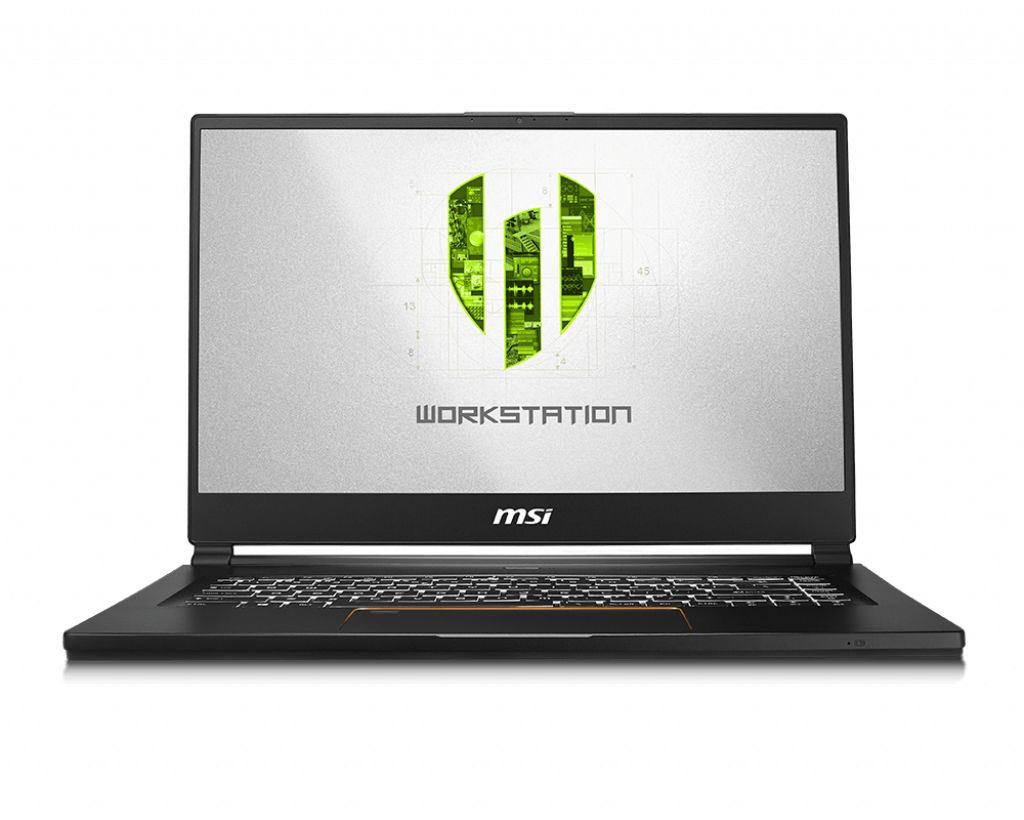
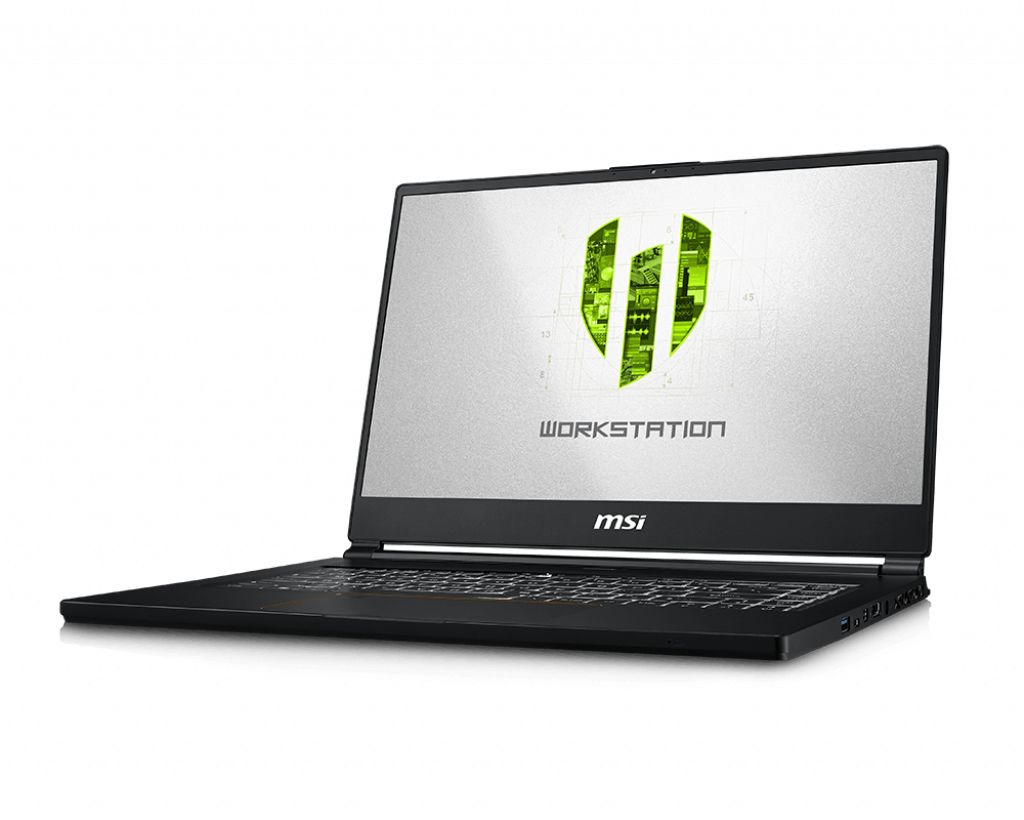
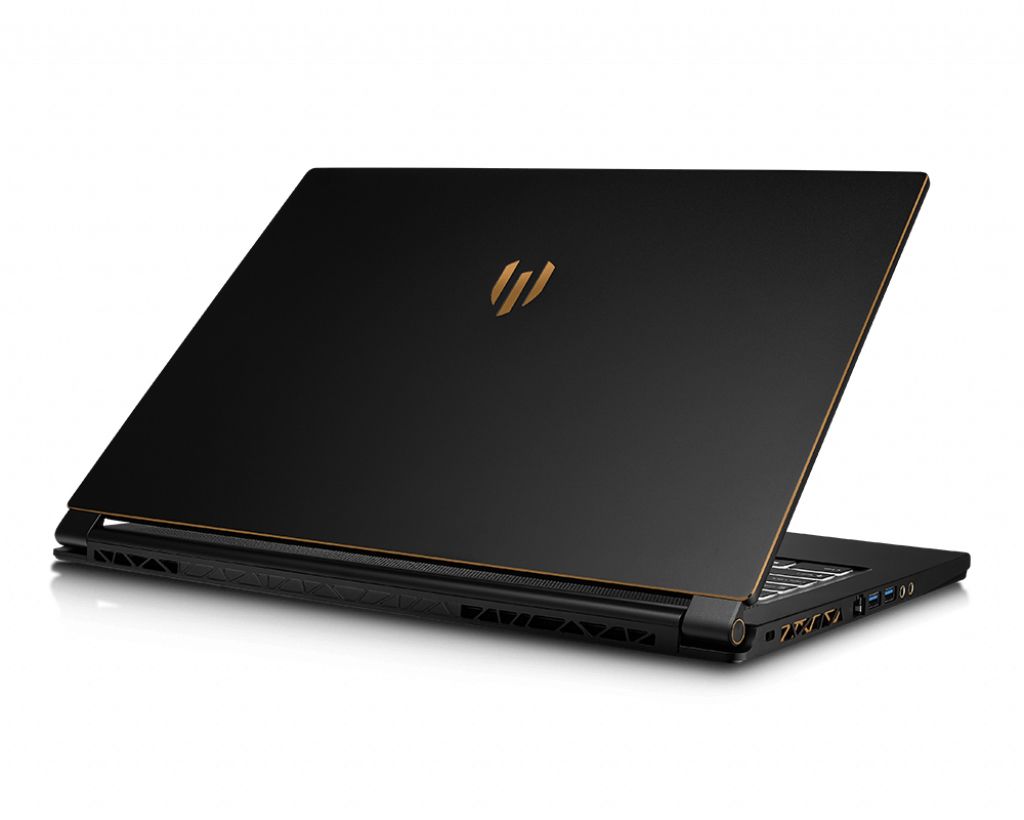
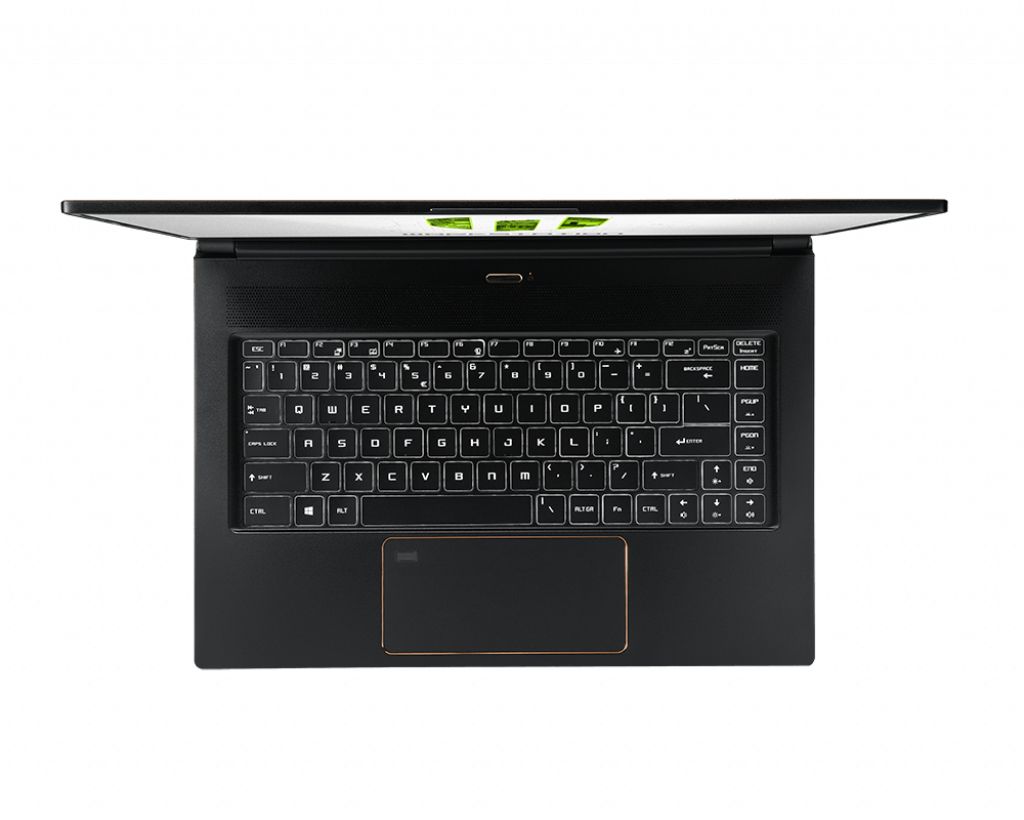
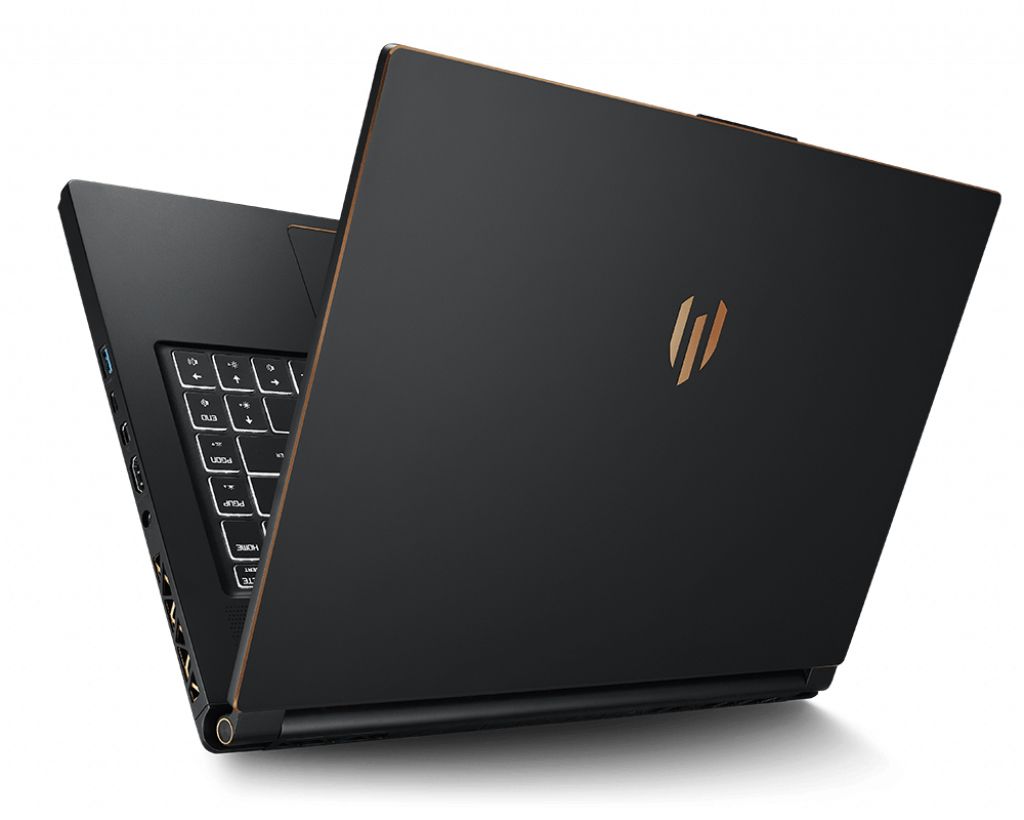
MSI WS65 9TK-899CA workstation series supports DDR4-SDRAM memory upgrades with two SO-DIMM slots. Maximum RAM capacity reaches 64 GB total. Operating frequency specifications indicate 2666 MHz memory support. Compatible upgrade modules must match SO-DIMM form factor specifications for proper installation into the WS65 9TK-899CA mobile workstation platform.
Memory Upgrade Specifications
| Specification | Value |
|---|---|
| Memory slots | 2x SO-DIMM |
| Form factor | SO-DIMM |
| Memory type | DDR4-SDRAM |
| Frequency | 2666 MHz |
| Maximum RAM | 64 GB |
| Voltage | 1.2V |
| Number of pins | 260-pin |
| Interface | PC4 |
| PC Speed Rating | PC4-2666 (PC4-21328) |
| Bandwidth | 21.3 GB/s |
| Laptop Release date | 25 November 2019 |
Additional Notes
- The MSI WS65 Workstation accommodates only 2 memory slots, restricting modularity. Full capacity requires 32 GB modules per slot, which have higher per-gigabyte costs than smaller denominations.
- DDR4-2666 MHz represents the upper speed ceiling. Installing faster DDR4 modules (3200 MHz or beyond) will downclock to 2666 MHz, negating performance gains and wasting upgrade investment.
- SO-DIMM form factor limits sourcing to laptop-grade modules. Desktop DDR4 UDIMM sticks are physically incompatible and cannot be adapted, narrowing supplier options and potentially increasing unit costs.
- The 64 GB aggregate limit constrains long-term expandability. Memory-intensive workflows (3D rendering, data analysis, virtual machine hosting) reaching saturation cannot be resolved through additional upgrades on this platform.
- Single-channel configuration occurs if only 1 slot is populated, reducing effective bandwidth by 50 percent. Dual-channel operation requires population of both SO-DIMM slots simultaneously.
- Factory configuration and module pairing history are critical. Mixing older installed modules with new replacements may introduce compatibility issues or force the system to run at the lowest common denominator frequency, even within the 2666 MHz specification.
- Warranty coverage typically permits user-accessible memory replacement without penalty. Retaining original packaging and documentation protects return eligibility if incompatibility emerges post-installation.