MSI Workstation WS65 9TL-1013CA RAM upgrade specifications



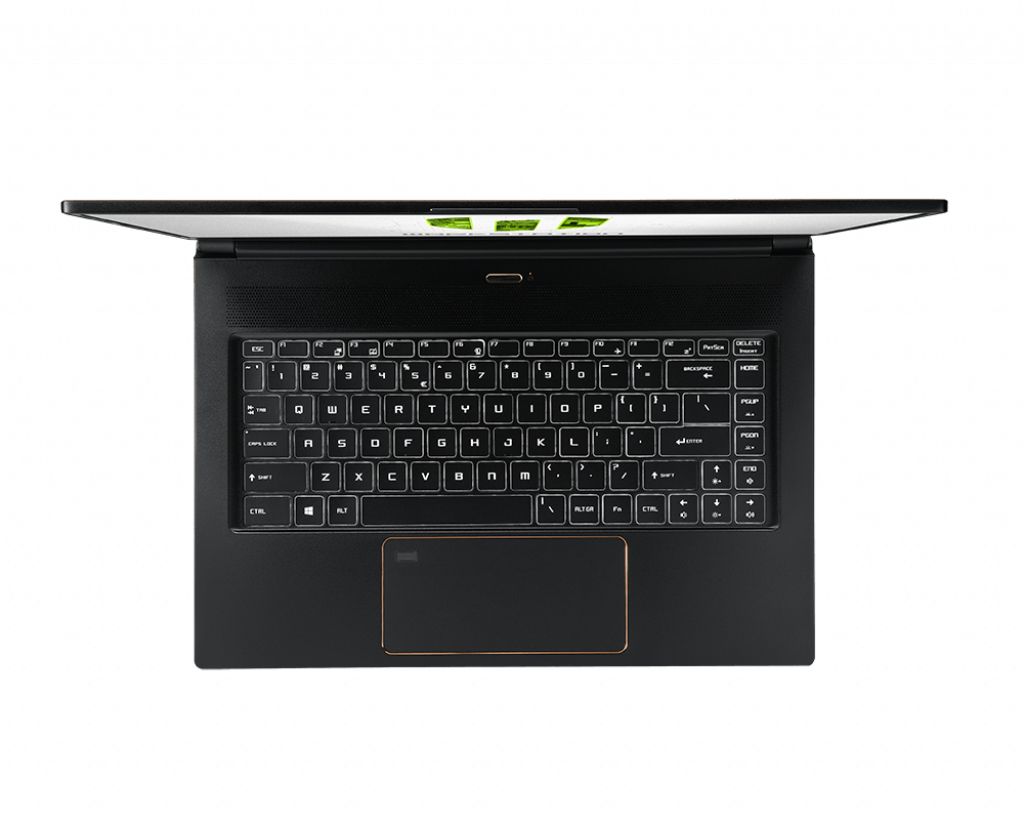

MSI WS65 9TL-1013CA workstation features two SO-DIMM slots for DDR4-SDRAM memory expansion. The upgrade specifications support maximum RAM capacity of 64 GB with compatible modules operating at 2666 MHz frequency. Memory configurations accommodate DDR4 SO-DIMM form factor specifications for professional computing applications. Current memory slots allow dual-channel architecture implementation within the WS65 series mobile workstation platform.
Memory Upgrade Specifications
| Specification | Value |
|---|---|
| Memory slots | 2x SO-DIMM |
| Form factor | SO-DIMM |
| Memory type | DDR4-SDRAM |
| Frequency | 2666 MHz |
| Maximum RAM | 64 GB |
| Voltage | 1.2V |
| Number of pins | 260-pin |
| Interface | PC4 |
| PC Speed Rating | PC4-2666 (PC4-21328) |
| Bandwidth | 21.3 GB/s |
| Laptop Release date | 16 September 2019 |
Additional Notes
- The MSI WS65 9TL-1013CA accepts only non-ECC unbuffered SO-DIMM modules, as workstation-class mobile chipsets in this generation do not support registered or error-correcting memory architectures.
- Dual-channel operation requires matched module pairs installed across both slots to achieve the full 42.6 GB/s theoretical memory bandwidth at 2666 MHz.
- Installing a single module will force the memory controller into single-channel mode, reducing available bandwidth to approximately 21.3 GB/s regardless of module capacity.
- The 64 GB maximum capacity indicates compatibility with 32 GB density SO-DIMM modules, which require double-sided PCB layouts and may introduce marginal thermal considerations in thin chassis designs.
- Modules rated above 2666 MHz will automatically downclock to match the controller's native frequency specification, as Intel mobile platforms of this generation lack support for DDR4-3200 or higher speeds without overclocking.
- Voltage specification remains locked at 1.2V standard for DDR4, eliminating compatibility with low-voltage DDR4L or high-performance XMP-profiled modules that require voltage adjustments.
- Physical clearance beneath the keyboard assembly typically restricts installation to standard-height SO-DIMM modules, as VLP (very low profile) variants are unnecessary and taller heatspreader-equipped modules may cause fitment interference.
- Warranty preservation requires avoiding any module configuration exceeding the validated 64 GB ceiling, as exceeding published specifications may void manufacturer support despite potential chipset-level compatibility.
- The 2666 MHz frequency represents JEDEC standard DDR4-2666 timing specifications, typically operating at CL19 latencies rather than tighter CL15 or CL16 timings found in desktop-oriented modules.
- Mixed-capacity configurations remain functional but will limit dual-channel operation to the lower-capacity module's size, with any excess capacity on the larger module operating in asymmetric single-channel mode.