MSI Workstation WS65 9TL-686 RAM upgrade specifications
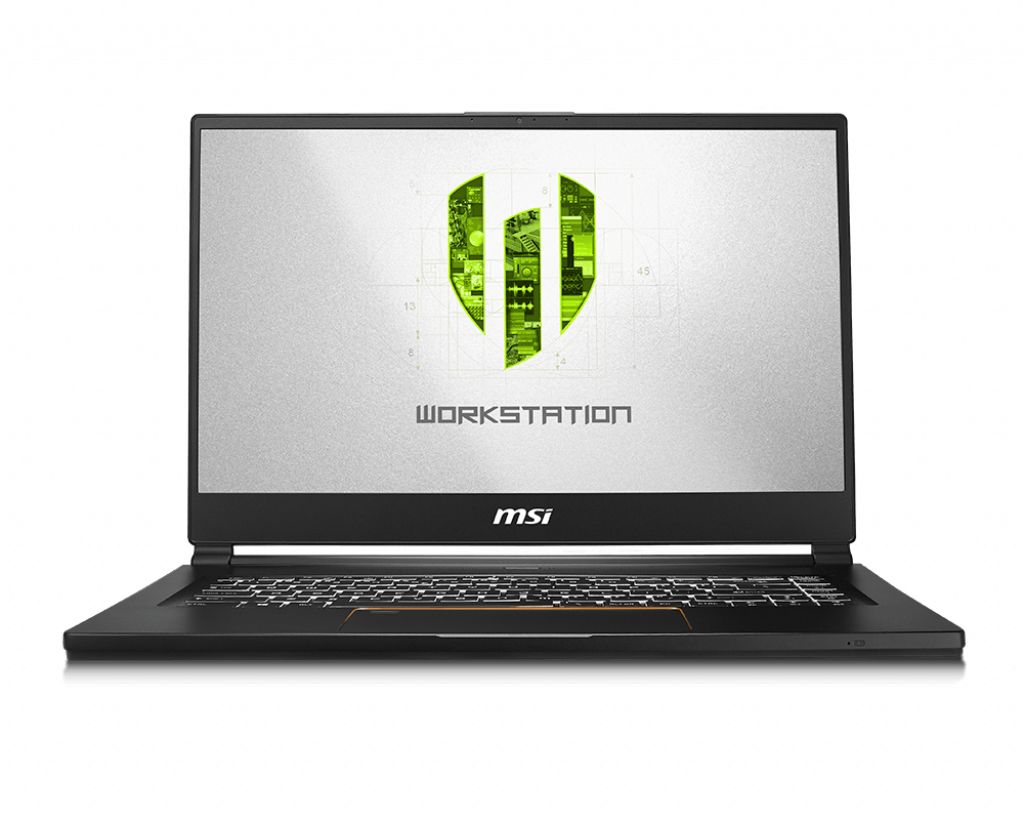

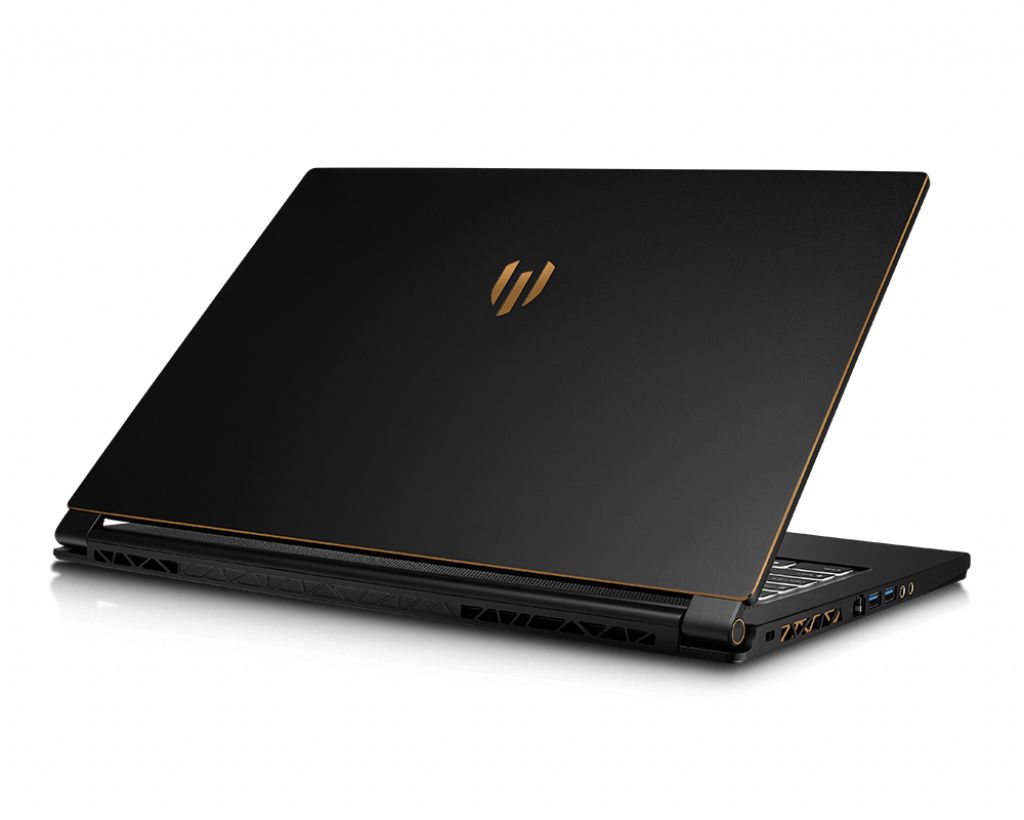
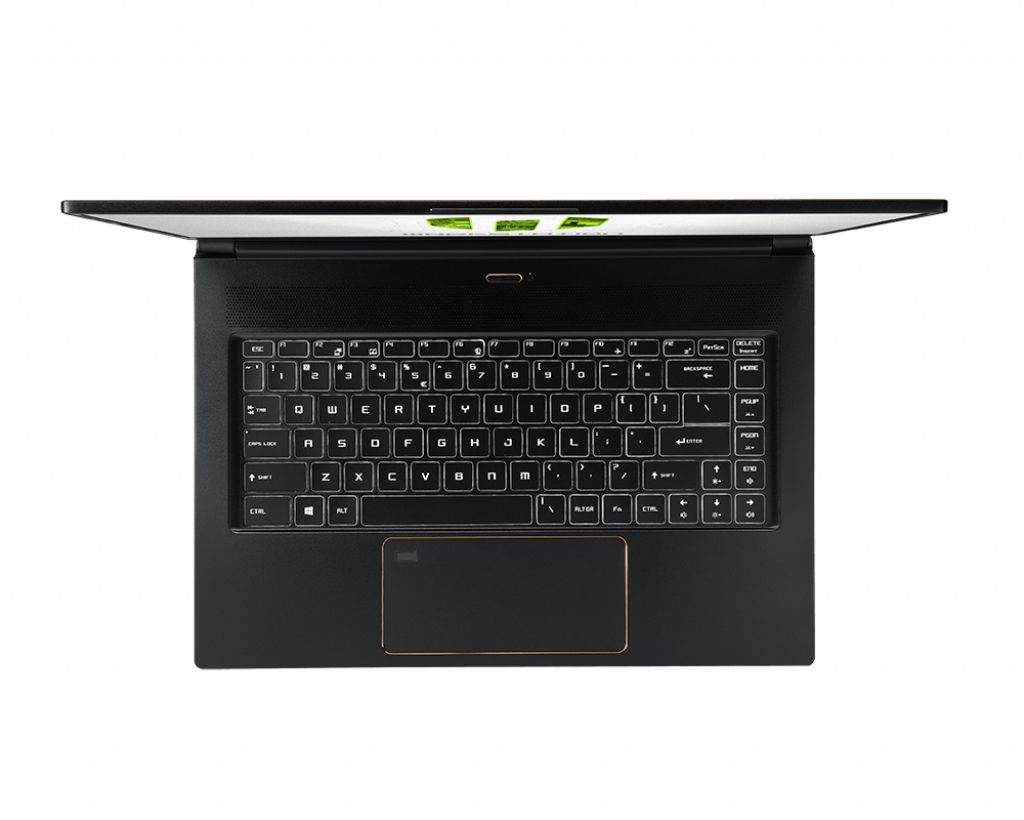

MSI WS65 9TL-686 workstation contains 2x SO-DIMM memory slots supporting DDR4-SDRAM upgrades. Maximum RAM capacity reaches 32 GB total. Compatible memory operates at 2666 MHz frequency. Upgrade specifications indicate SO-DIMM form factor for memory modules. DDR4-SDRAM technology provides compatibility parameters for memory expansion on WS65 series workstation platform.
Memory Upgrade Specifications
| Specification | Value |
|---|---|
| Memory slots | 2x SO-DIMM |
| Form factor | SO-DIMM |
| Memory type | DDR4-SDRAM |
| Frequency | 2666 MHz |
| Maximum RAM | 32 GB |
| Voltage | 1.2V |
| Number of pins | 260-pin |
| Interface | PC4 |
| PC Speed Rating | PC4-2666 (PC4-21328) |
| Bandwidth | 21.3 GB/s |
| Laptop Release date | 14 May 2019 |
Additional Notes
- DDR4-2666 memory operates at a reduced frequency relative to contemporary desktop standards, creating potential latency penalties when processing memory-intensive workloads typical of professional applications on the MSI WS65 9TL-686 workstation.
- The 2-slot SO-DIMM configuration allows only 2 memory modules maximum, eliminating the option to retain existing modules while adding capacity through a third or fourth slot.
- Achieving the 32 GB maximum requires 2x16 GB modules, making partial upgrades to 24 GB impossible without replacing one original module entirely.
- SO-DIMM modules occupy significantly less physical space than desktop UDIMM counterparts, constraining thermal airflow around installed modules in the laptop's compact enclosure and potentially affecting sustained thermal performance during extended workstation tasks.
- Memory bandwidth is restricted to dual-channel architecture inherent to 2-slot designs, preventing the bandwidth multiplication available on quad-channel server platforms and creating a fixed throughput ceiling for parallel processing operations.
- DDR4-2666 compatibility requires verification that replacement modules explicitly support this frequency; modules rated for DDR4-3200 or higher will operate at the reduced 2666 MHz speed, resulting in unused performance specifications and potential cost inefficiency.
- Warranty coverage for memory upgrades depends on whether replacement modules carry manufacturer validation; using non-listed third-party modules may void system-level warranty protection despite being technically compatible.