MSI Workstation WS65 9TM-1043UK RAM upgrade specifications
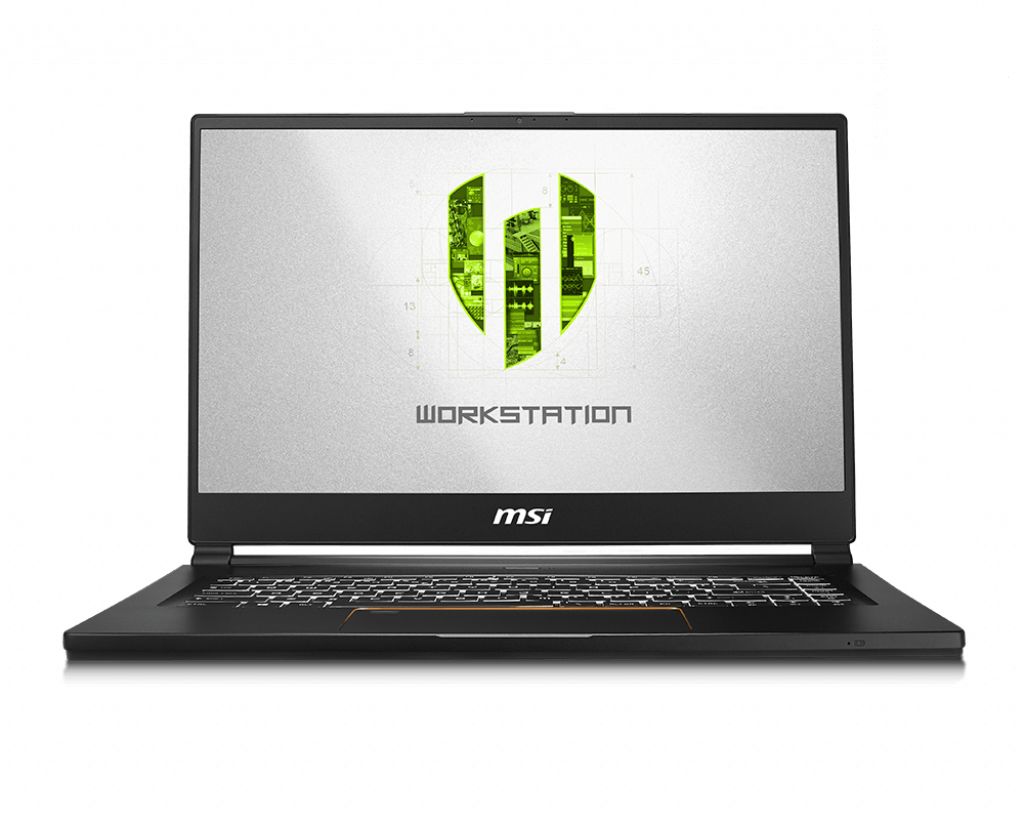

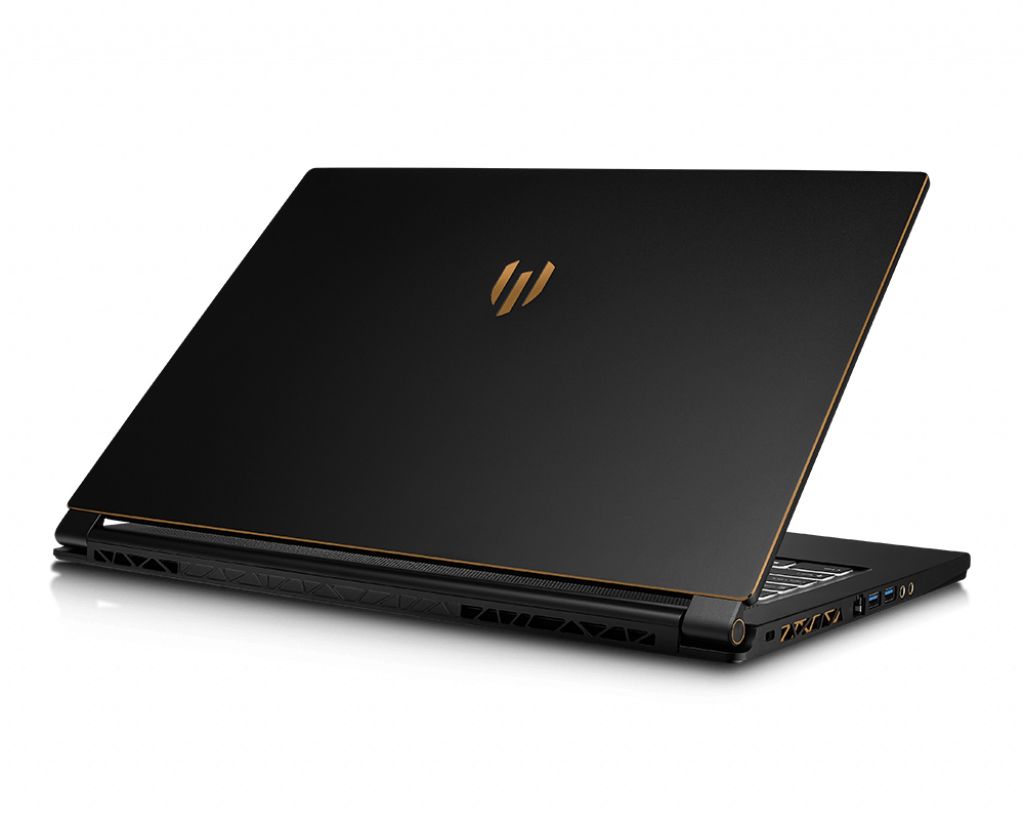

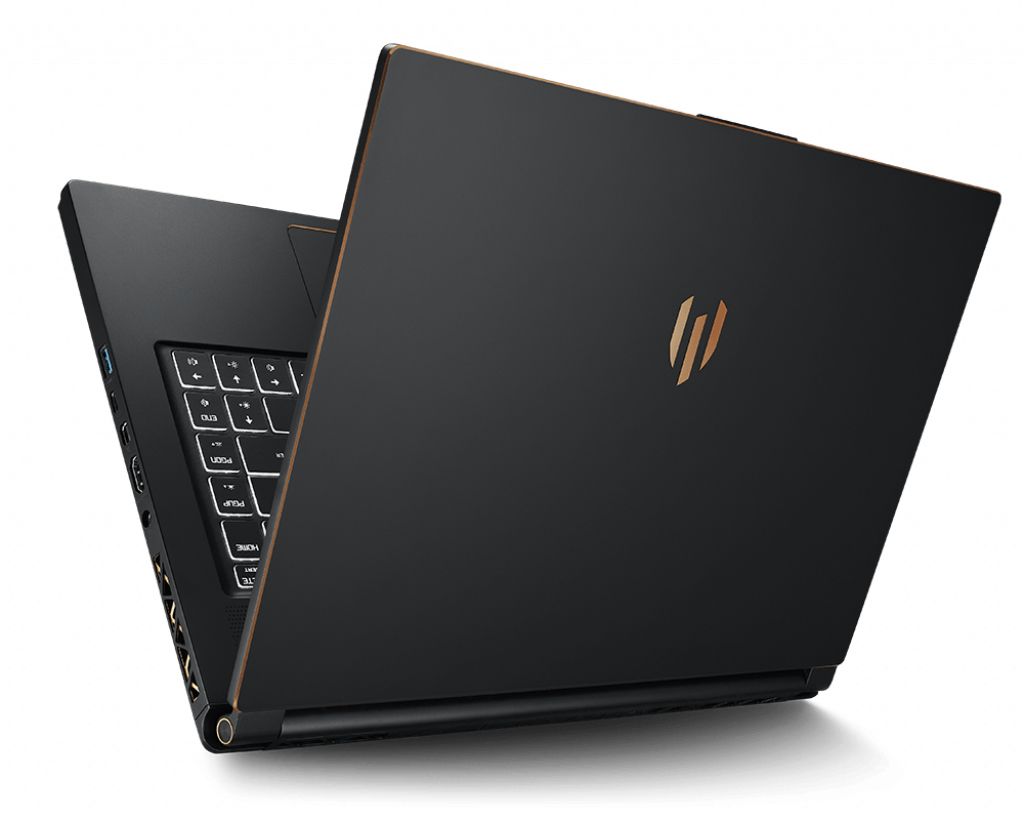
The MSI WS65 9TM-1043UK Workstation Series mobile computer features two SO-DIMM memory slots supporting DDR4-SDRAM modules at 2666 MHz frequency. Maximum RAM capacity reaches 64 GB, enabling significant memory upgrade potential. Compatible memory specifications include SO-DIMM form factor DDR4 modules. RAM upgrade compatibility requires DDR4-SDRAM technology meeting the 2666 MHz specifications for optimal performance with the WS65 9TM-1043UK laptop configuration.
Memory Upgrade Specifications
| Specification | Value |
|---|---|
| Memory slots | 2x SO-DIMM |
| Form factor | SO-DIMM |
| Memory type | DDR4-SDRAM |
| Frequency | 2666 MHz |
| Maximum RAM | 64 GB |
| Voltage | 1.2V |
| Number of pins | 260-pin |
| Interface | PC4 |
| PC Speed Rating | PC4-2666 (PC4-21328) |
| Bandwidth | 21.3 GB/s |
| Laptop Release date | 10 July 2019 |
Additional Notes
- The MSI WS65 workstation contains 2 SO-DIMM slots, which means maximum capacity expansion is constrained by slot count rather than electrical limitations. Both slots must be populated to reach the 64 GB ceiling, leaving no margin for future upgrades beyond that threshold.
- DDR4-2666 MHz memory operates at a lower frequency band than contemporary DDR4 standards (2933 MHz, 3000 MHz, 3200 MHz). Substituting higher-frequency modules will downclock to 2666 MHz, eliminating any performance benefit from premium memory purchases.
- SO-DIMM form factor modules are physically smaller than standard UDIMM sticks. Laptop memory is not interchangeable with desktop DDR4 without external adapters, restricting upgrade sources to laptop-specific inventory channels.
- The 64 GB maximum capacity indicates support for 32 GB individual modules on each SO-DIMM slot. Entry-level configurations likely shipped with 16 GB or 32 GB total, leaving significant headroom for single-module or matched-pair upgrades without replacing existing memory.
- DDR4-2666 specification suggests this workstation model aligns with 9th-generation Intel processor platforms, which natively support this frequency tier. Downgrading to DDR4-2400 modules will function but may introduce minor latency penalties in memory-intensive workloads without cost savings.