MSI Workstation 10TL-478FR RAM upgrade specifications
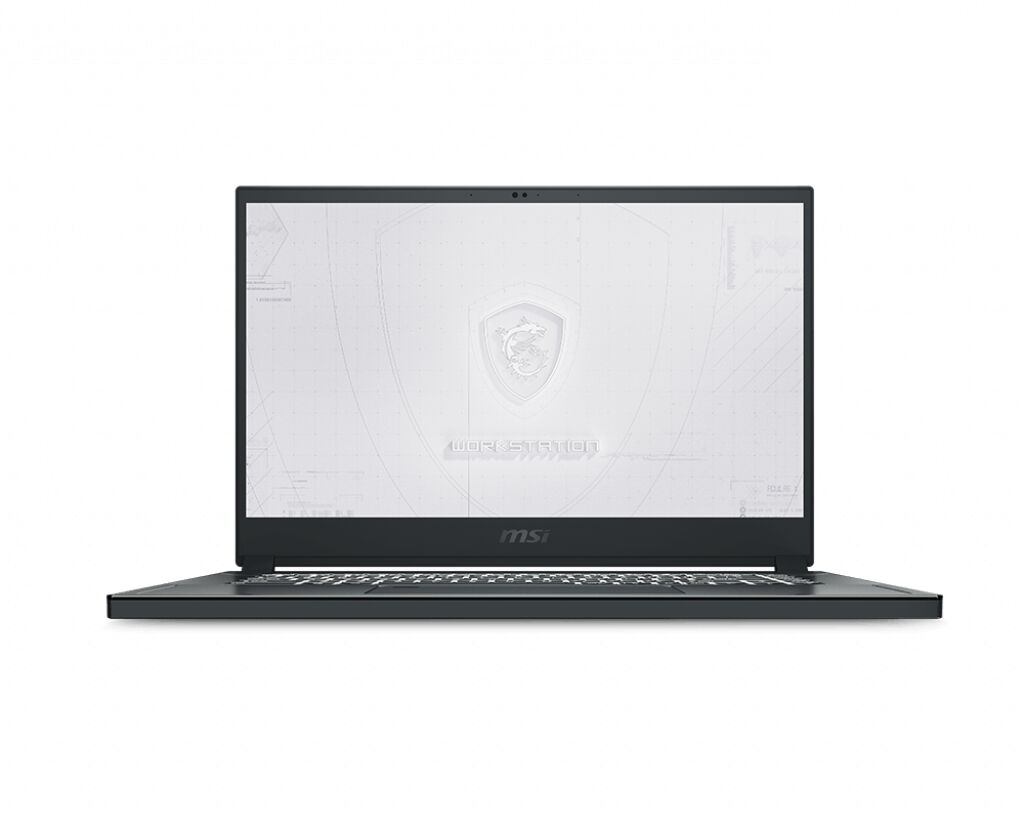
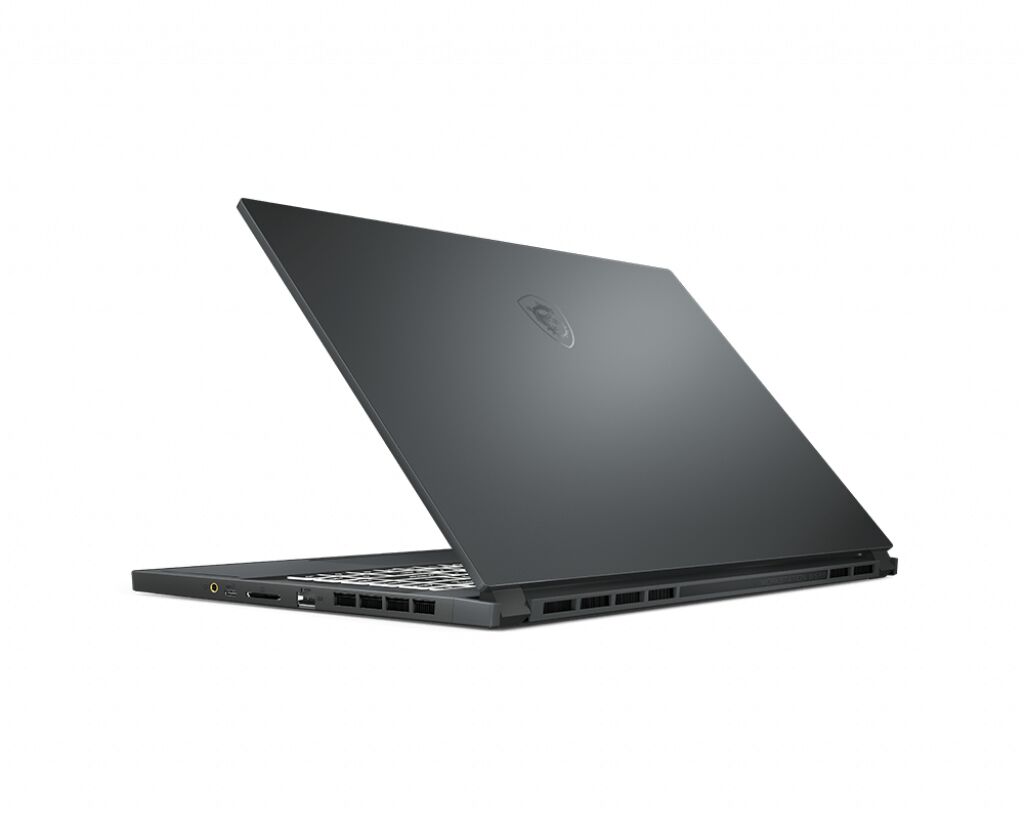
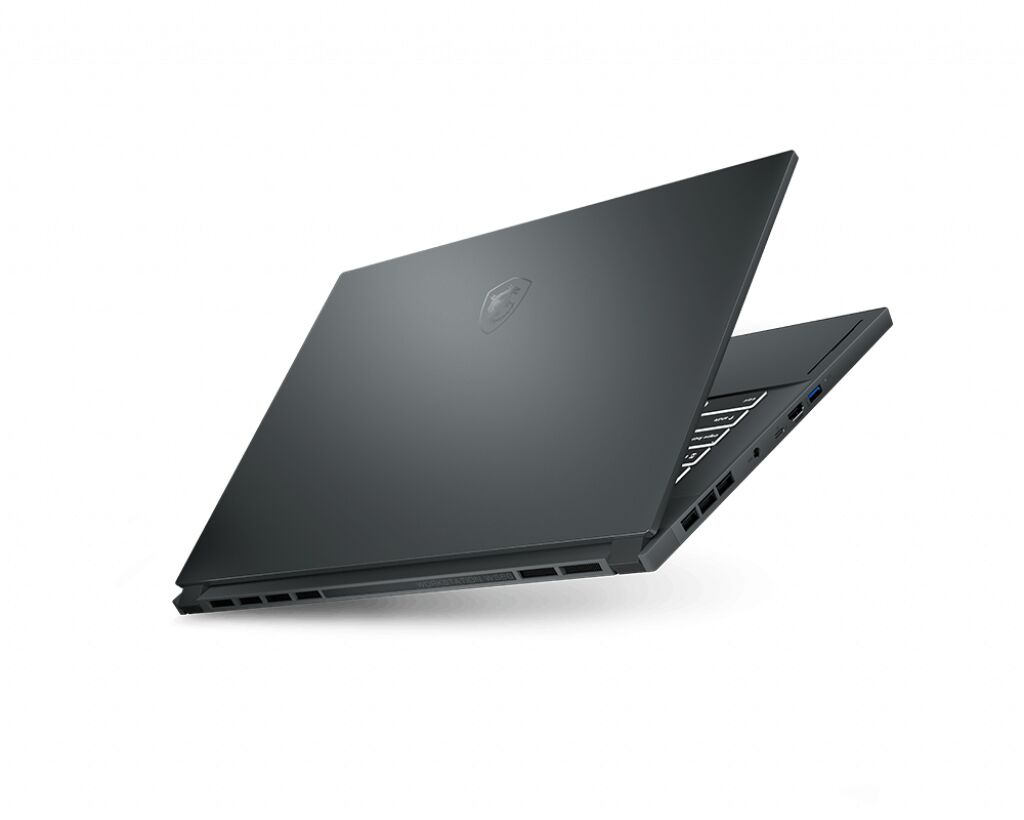
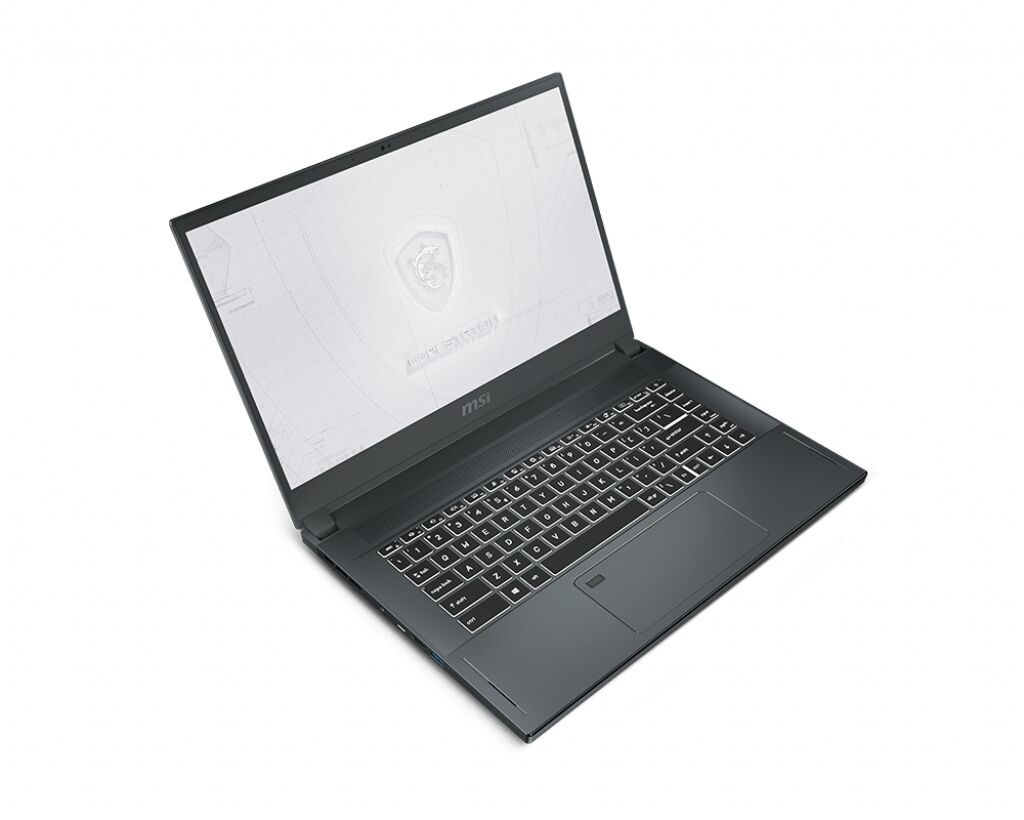
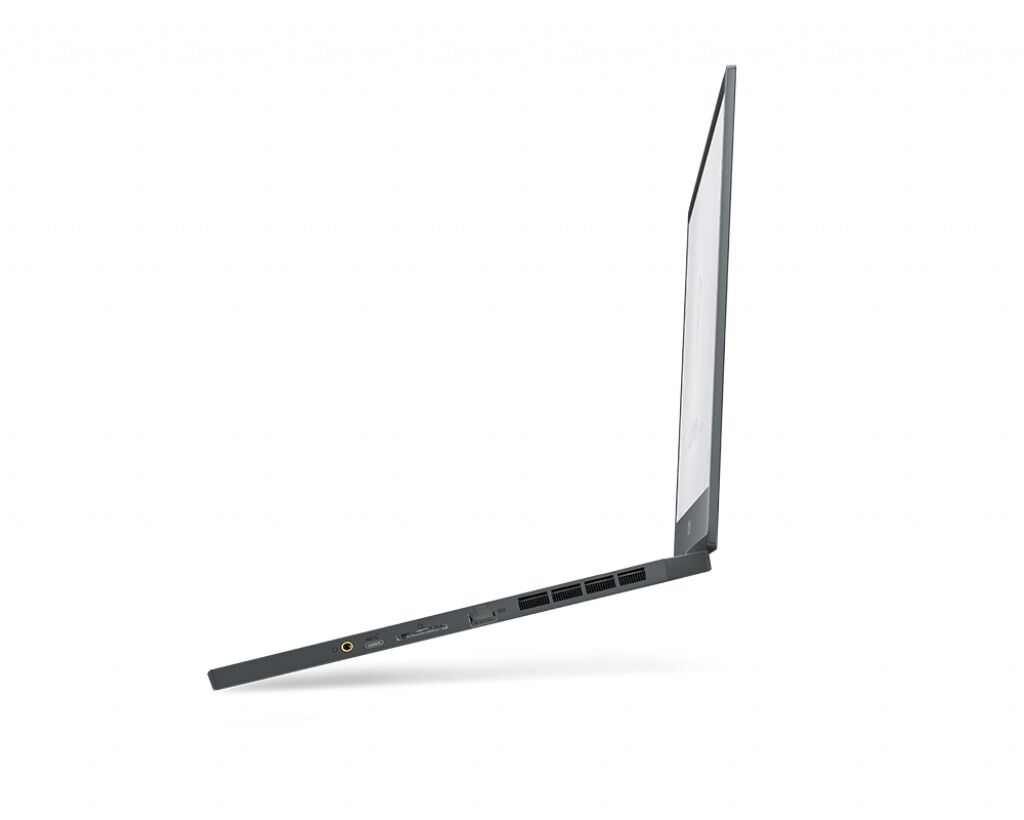
MSI WS66 10TL-478FR workstation features DDR4-SDRAM memory upgrade capability with two SO-DIMM slots supporting maximum capacity of 64 GB. Compatible memory modules operate at 2666 MHz frequency. Upgrade specifications indicate SO-DIMM form factor for memory expansion. Current configuration permits RAM capacity expansion through available slots. Maximum supported memory capacity reaches 64 GB for this workstation model. DDR4-SDRAM specifications apply to all compatible upgrade modules for MSI 10TL-478FR workstation series.
Memory Upgrade Specifications
| Specification | Value |
|---|---|
| Memory slots | 2x SO-DIMM |
| Form factor | SO-DIMM |
| Memory type | DDR4-SDRAM |
| Frequency | 2666 MHz |
| Maximum RAM | 64 GB |
| Voltage | 1.2V |
| Number of pins | 260-pin |
| Interface | PC4 |
| PC Speed Rating | PC4-2666 (PC4-21328) |
| Bandwidth | 21.3 GB/s |
| Laptop Release date | 07 February 2021 |
Additional Notes
- The MSI Workstation 10TL-478FR supports a maximum of 32 GB per SO-DIMM slot, requiring unbuffered non-ECC modules for compatibility with mobile chipset architectures.
- DDR4-2666 represents JEDEC standard timing of 19-19-19 at 1.2V, though this workstation platform may accept higher frequency modules that will downclock to the 2666 MHz limitation.
- Dual-channel configuration requires matched pair installation in both slots, delivering 21.3 GB/s theoretical bandwidth versus 10.65 GB/s when operating in single-channel mode with one occupied slot.
- SO-DIMM modules measure 67.6 mm in length compared to 133.35 mm desktop DIMMs, making standard DIMM memory physically incompatible despite identical DDR4 voltage specifications.
- Accessing memory slots on workstation-class laptops typically requires bottom panel removal and may involve thermal module displacement, potentially voiding manufacturer warranty if seal stickers are breached.
- Mixed capacity configurations such as 16 GB plus 32 GB modules will function but may introduce asymmetric memory mapping that prevents optimal interleaving across channels.
- The 64 GB ceiling stems from chipset addressing limitations rather than slot mechanical constraints, meaning 64 GB SO-DIMMs would exceed platform specifications even if physically installable.
- Workstation platforms often validate specific memory part numbers for mission-critical stability, whereas consumer modules meeting JEDEC DDR4-2666 specifications may still produce POST errors or training failures.
- Operating system recognition of installed capacity requires 64-bit architecture, as 32-bit Windows editions enforce 4 GB addressable memory limits regardless of physical installation.
- Thermal throttling may occur when fully populating both slots in sustained workloads, as SO-DIMM modules lack dedicated airflow found in desktop tower configurations with memory fan zones.