MSI Workstation 10TM-043FR RAM upgrade specifications
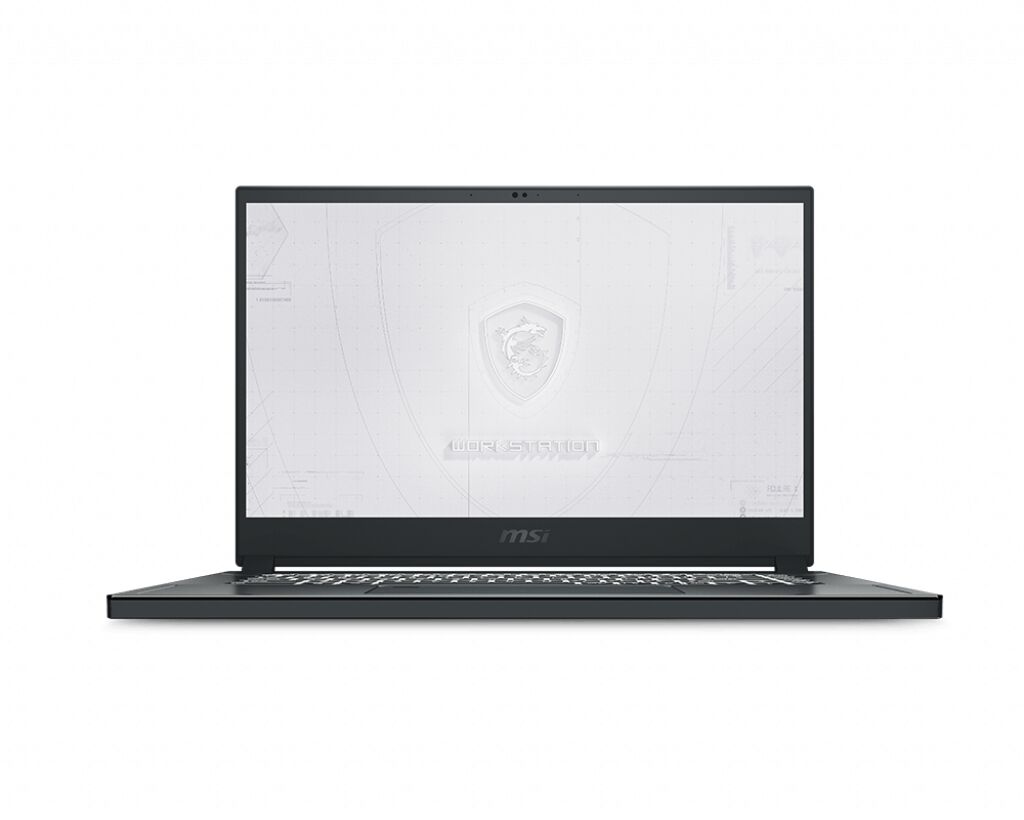




The MSI WS66 10TM-043FR workstation features two SO-DIMM slots supporting DDR4-SDRAM memory upgrades. The laptop RAM specifications indicate maximum capacity of 64 GB total memory at 2666 MHz frequency. Compatible memory modules utilize SO-DIMM form factor for this workstation model. Users can upgrade memory by installing DDR4 modules into the available slots to achieve the maximum supported capacity specifications.
Memory Upgrade Specifications
| Specification | Value |
|---|---|
| Memory slots | 2x SO-DIMM |
| Form factor | SO-DIMM |
| Memory type | DDR4-SDRAM |
| Frequency | 2666 MHz |
| Maximum RAM | 64 GB |
| Voltage | 1.2V |
| Number of pins | 260-pin |
| Interface | PC4 |
| PC Speed Rating | PC4-2666 (PC4-21328) |
| Bandwidth | 21.3 GB/s |
| Laptop Release date | 13 October 2020 |
Additional Notes
- The MSI Workstation 10TM-043FR supports a maximum of 32 GB per SO-DIMM slot, which limits certain high-capacity single-module configurations that exceed this threshold.
- DDR4-2666 operates at PC4-21300 bandwidth, delivering 21.3 GB/s theoretical transfer rate per channel in dual-channel mode.
- Installing modules rated above 2666 MHz will result in automatic downclocking to the maximum supported frequency, negating any advertised speed advantage.
- SO-DIMM form factor measures 67.6 mm in length compared to standard DIMM at 133.35 mm, preventing installation of desktop memory modules.
- Dual-channel architecture requires matched pairs for optimal bandwidth utilization, otherwise the system defaults to single-channel operation with halved throughput.
- DDR4 operates at 1.2V nominal voltage, incompatible with DDR3L or DDR3 modules despite physical slot similarity in some earlier generation systems.
- Module height typically ranges from 30 mm to 34 mm for SO-DIMM variants, requiring clearance verification in chassis designs with restrictive internal spacing.
- ECC SO-DIMM modules face compatibility restrictions on this platform, as workstation designation does not guarantee error-correcting code support without explicit chipset validation.
- Mixing modules with different CAS latencies forces the memory controller to adopt the highest latency value across all installed modules, degrading performance relative to matched specifications.
- User-accessible memory compartments in most SO-DIMM laptops permit warranty-safe upgrades, unlike soldered configurations that void service agreements upon attempted modification.
- JEDEC standard DDR4-2666 operates at CL19 timing by default, while faster XMP profiles remain inactive without BIOS support for overclocking features.