MSI Workstation WS66 10TMT-207 RAM upgrade specifications
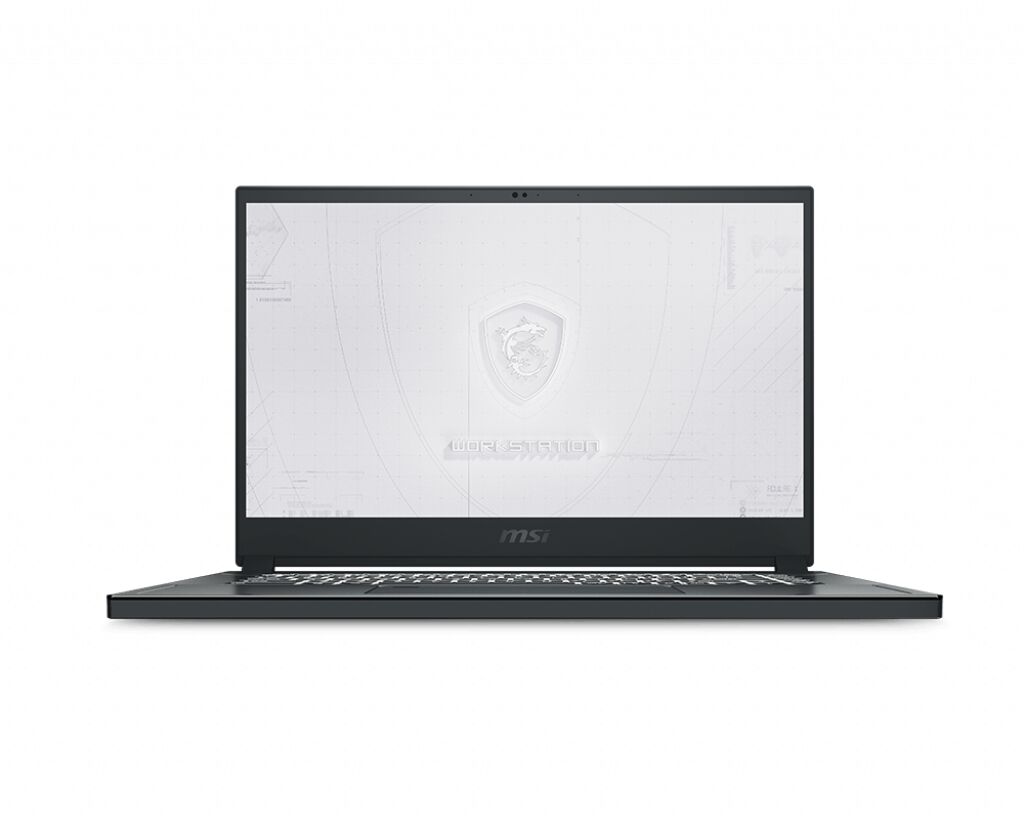
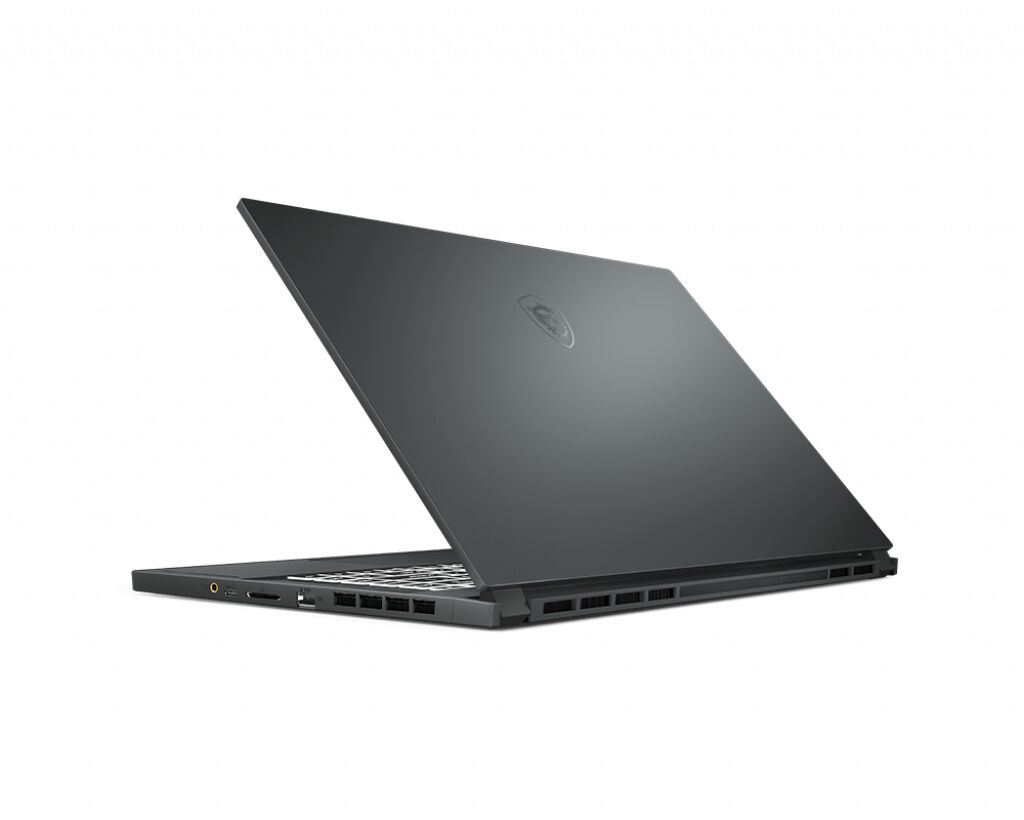
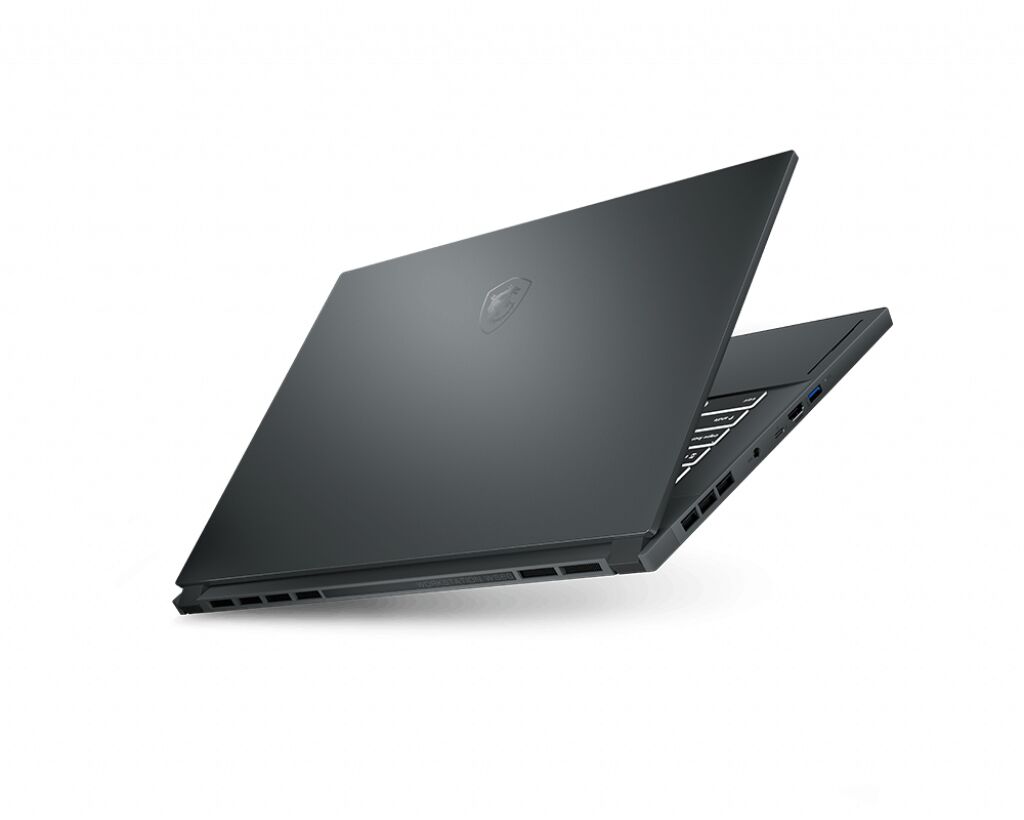
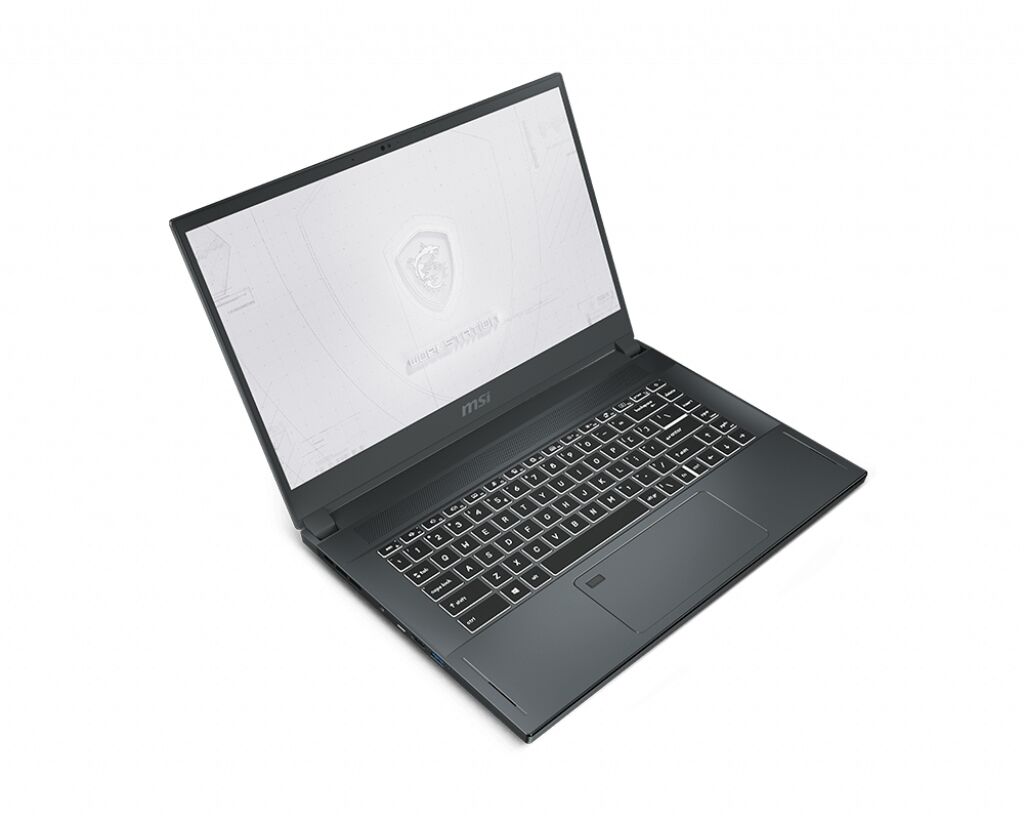
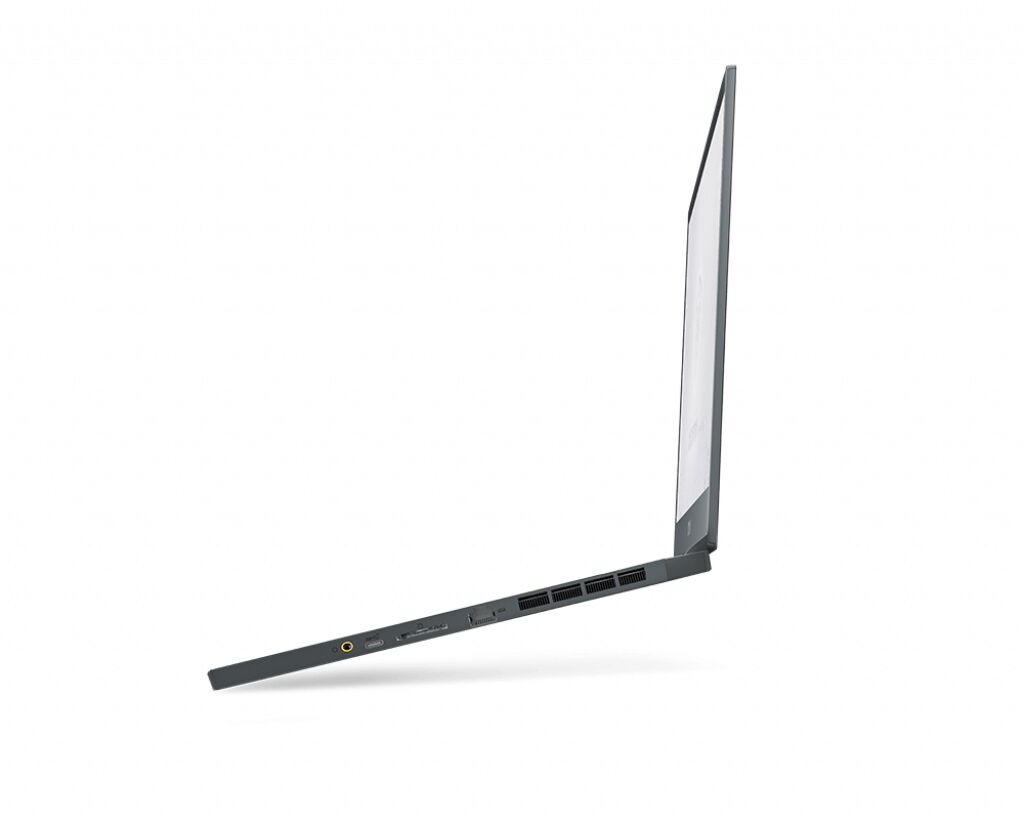
MSI WS66 10TMT-207 workstation memory upgrade specifications include two SO-DIMM slots supporting DDR4-SDRAM memory modules. Maximum RAM capacity reaches 64 GB total, with compatible modules operating at 2666 MHz frequency. Upgrade configurations utilize SO-DIMM form factor memory modules. Specifications establish upgrade parameters for memory expansion on MSI WS66 series workstation models.
Memory Upgrade Specifications
| Specification | Value |
|---|---|
| Memory slots | 2x SO-DIMM |
| Form factor | SO-DIMM |
| Memory type | DDR4-SDRAM |
| Frequency | 2666 MHz |
| Maximum RAM | 64 GB |
| Voltage | 1.2V |
| Number of pins | 260-pin |
| Interface | PC4 |
| PC Speed Rating | PC4-2666 (PC4-21328) |
| Bandwidth | 21.3 GB/s |
| Laptop Release date | 31 August 2020 |
Additional Notes
- The MSI WS66 10TMT-207 accepts only laptop-sized memory modules, excluding standard desktop DIMM formats regardless of specifications.
- The 2666 MHz frequency ceiling indicates a 10th generation Intel mobile processor, which lacks native support for higher DDR4 speeds without overclocking profiles.
- Both memory channels must be populated with identical modules to maintain dual-channel bandwidth operation, as asymmetric configurations force single-channel mode.
- The 64 GB maximum capacity requires 32 GB modules in both slots, which may carry voltage specifications outside the JEDEC standard 1.2V range.
- Memory modules rated above 2666 MHz will function but automatically downclock to match the supported frequency limit, wasting the speed premium.
- Upgrading from single-rank to dual-rank modules at maximum capacity may introduce marginal performance differences in memory-intensive workloads.
- The SO-DIMM form factor restricts module availability compared to desktop memory, particularly for high-capacity configurations above 16 GB per slot.
- Intel's 10th generation mobile platform enforces memory compatibility through the chipset, rejecting modules with incompatible SPD profiles during POST.
- Accessing the memory slots typically requires full bottom panel removal, which may void warranty seals depending on regional service policies.
- Mixed-brand modules with identical specifications can cause instability due to differing chip densities and timing sub-parameters not visible in rated speeds.
- The workstation classification suggests ECC unbuffered SO-DIMM compatibility, though consumer DDR4 modules remain the standard for this model series.
- Thermal headroom in the chassis determines sustained memory performance under prolonged workloads, as DDR4 throttles at junction temperatures above 85 degrees Celsius.