MSI Workstation WS66 10TLT-079 RAM upgrade specifications
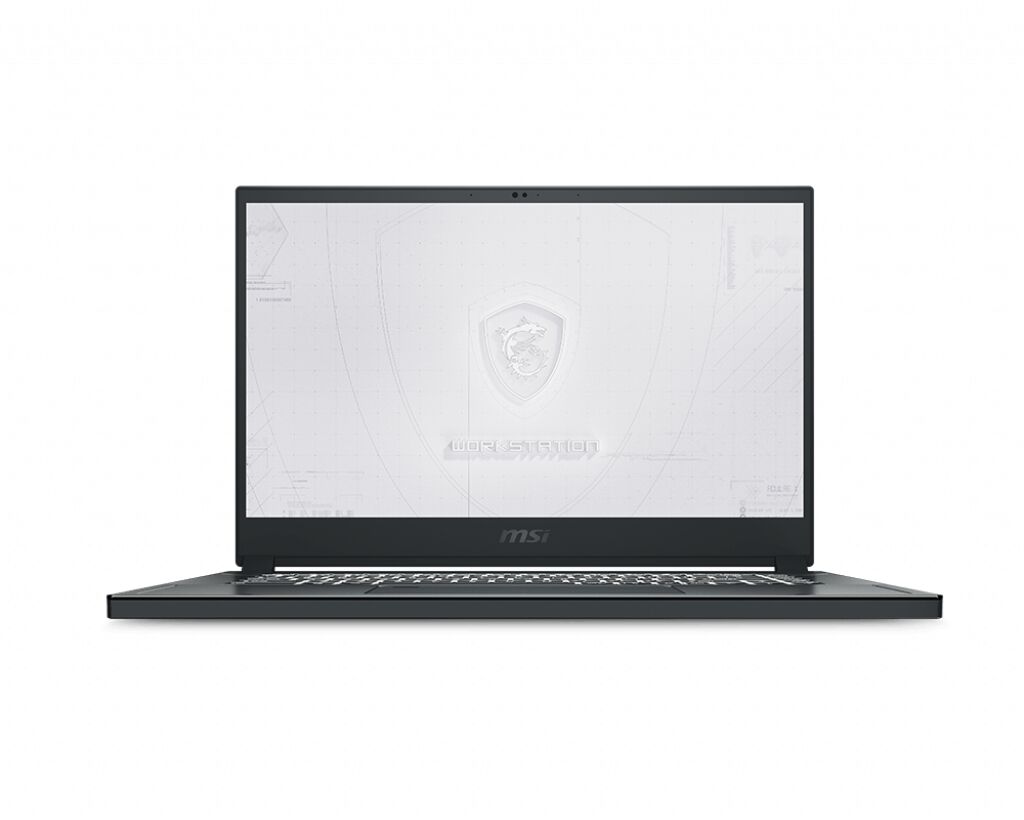
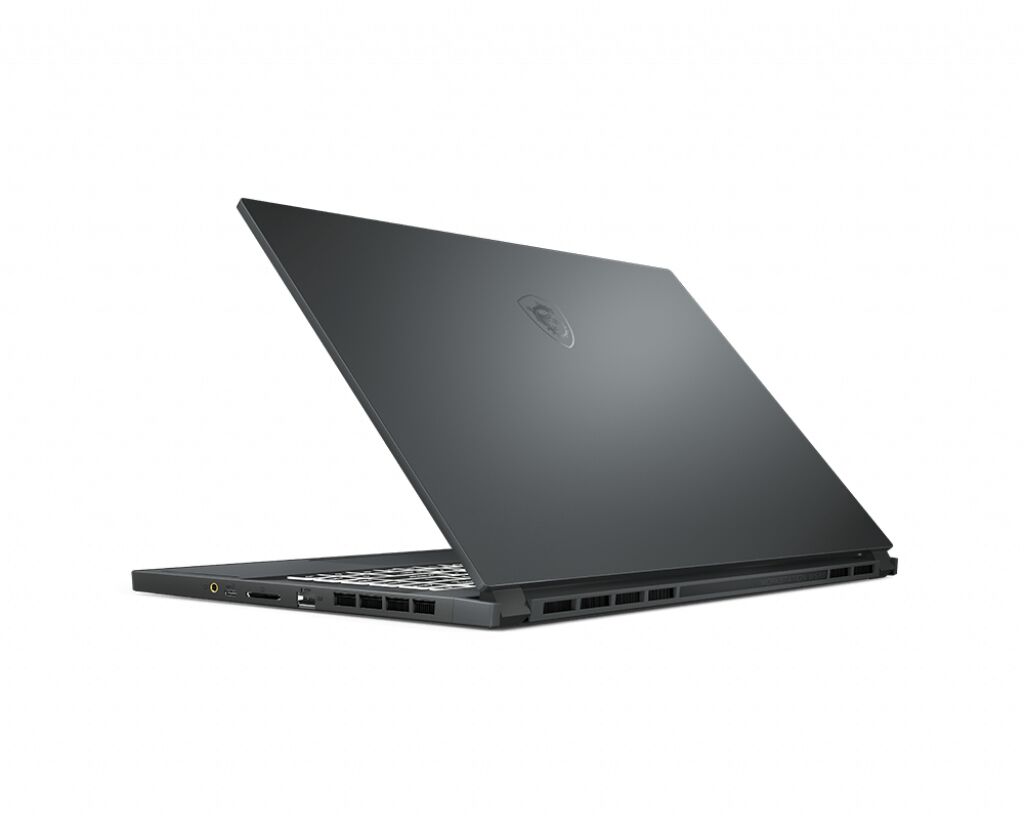
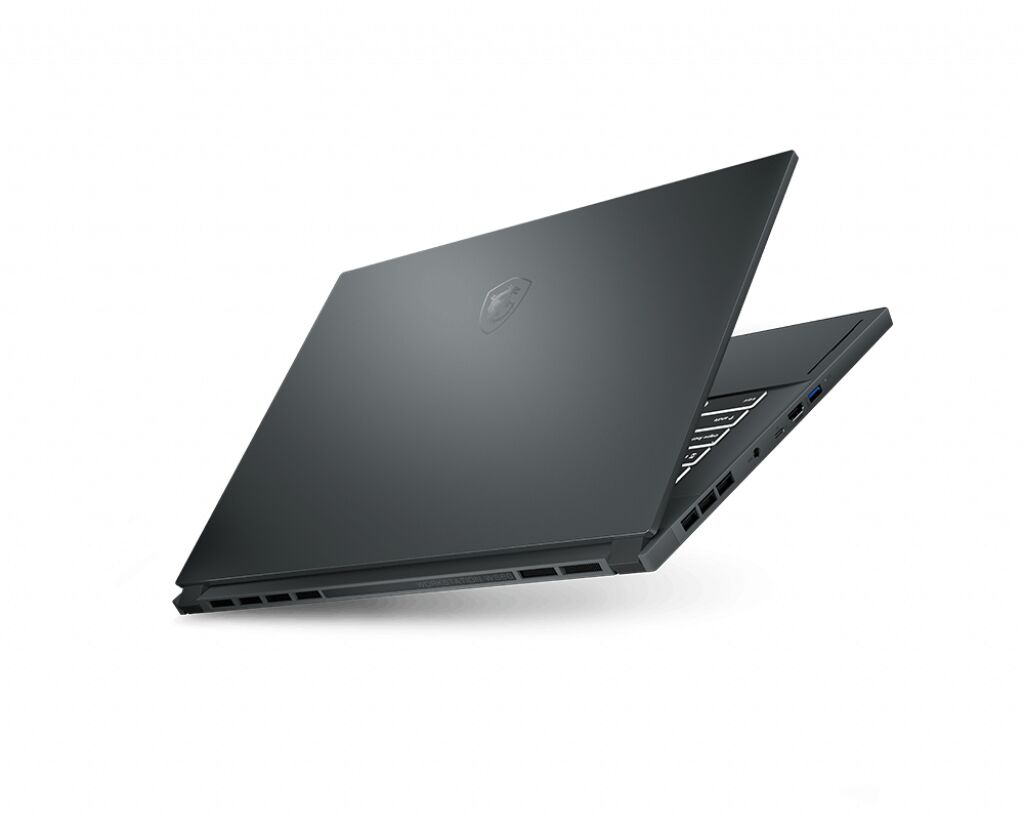
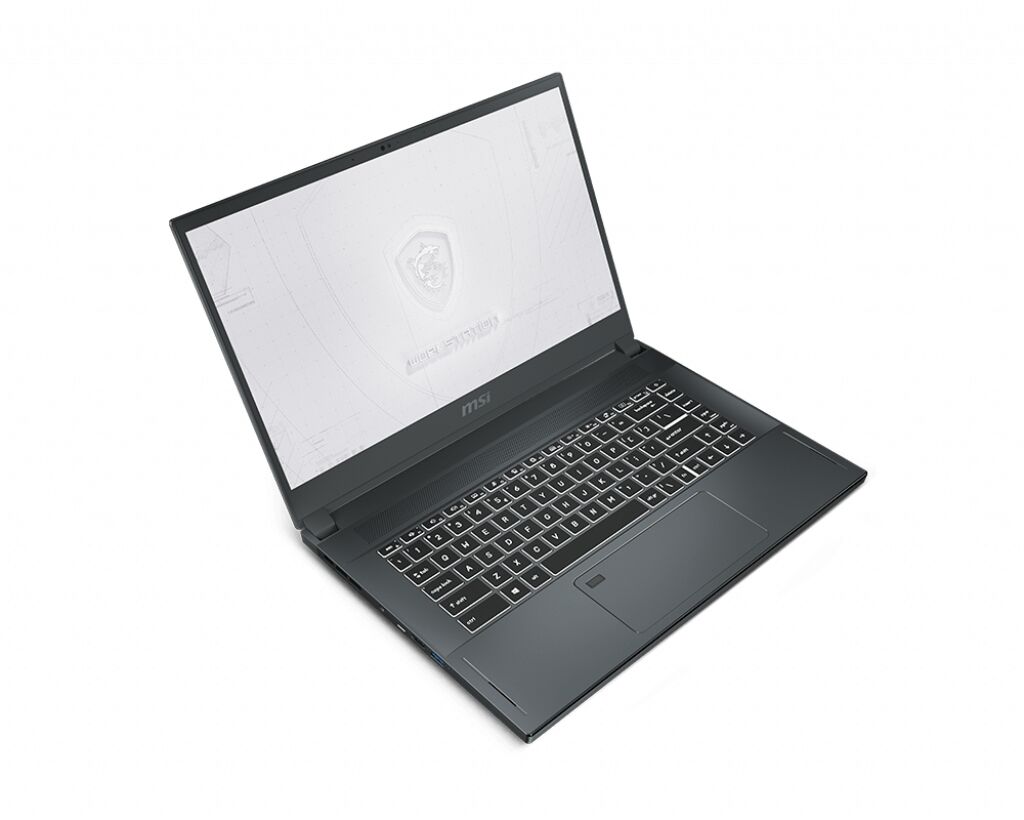
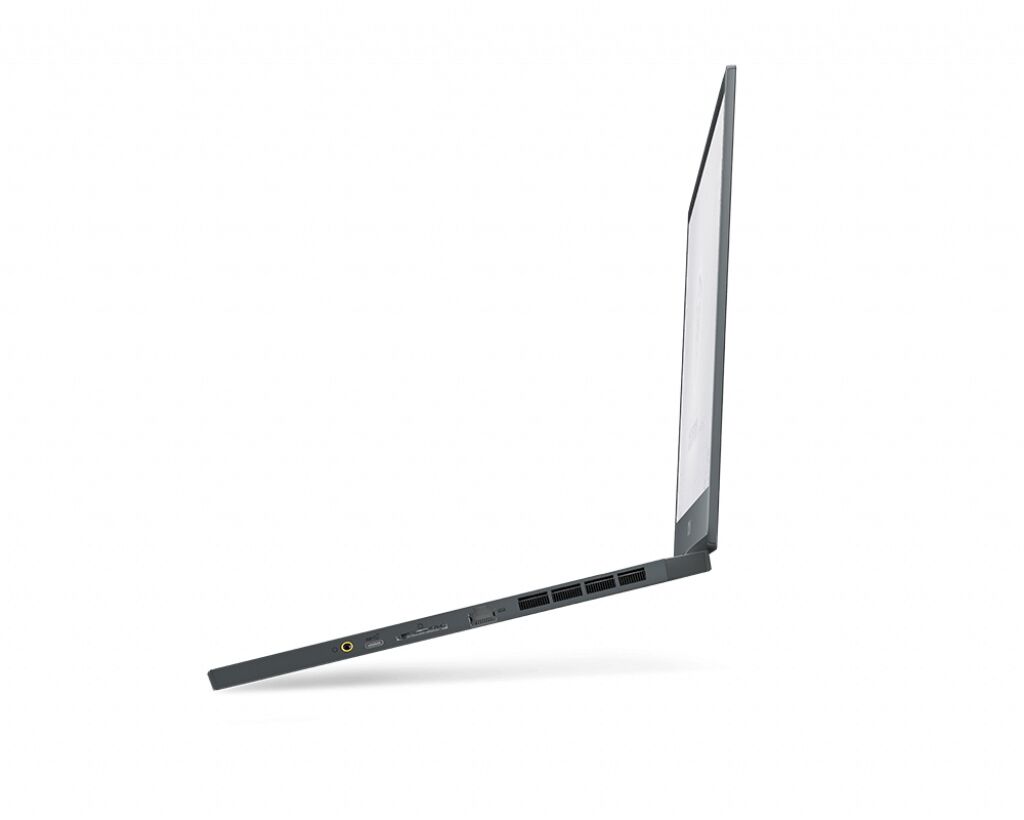
MSI WS66 10TLT-079 workstation features DDR4-SDRAM memory upgrade capacity of up to 64 GB maximum RAM. The laptop contains 2x SO-DIMM slots for memory expansion using SO-DIMM form factor modules. Compatible DDR4 memory operates at 2666 MHz frequency. Specifications indicate available upgrade slots support dual-channel memory configuration for enhanced performance in professional workstation applications.
Memory Upgrade Specifications
| Specification | Value |
|---|---|
| Memory slots | 2x SO-DIMM |
| Form factor | SO-DIMM |
| Memory type | DDR4-SDRAM |
| Frequency | 2666 MHz |
| Maximum RAM | 64 GB |
| Voltage | 1.2V |
| Number of pins | 260-pin |
| Interface | PC4 |
| PC Speed Rating | PC4-2666 (PC4-21328) |
| Bandwidth | 21.3 GB/s |
| Laptop Release date | 31 August 2020 |
Additional Notes
- The MSI WS66 10TLT-079 workstation requires non-ECC unbuffered modules, as standard consumer DDR4 SO-DIMM architecture does not support error correction without explicit specification.
- Dual-channel configuration requires matched module pairs in both slots to achieve full bandwidth, operating at 21.3 GB/s theoretical maximum throughput when populated symmetrically.
- The 64 GB ceiling implies compatibility with 32 GB density modules per slot, necessitating dual-rank architecture that may introduce marginal latency penalties compared to single-rank alternatives.
- Modules rated above 2666 MHz will downclock automatically to match the supported frequency, eliminating performance gains from higher-speed purchases.
- CL19 represents the typical CAS latency for JEDEC-standard 2666 MHz modules, translating to approximately 14.2 nanoseconds actual latency regardless of timing notation variations.
- The SO-DIMM form factor measures 67.6 mm in length, preventing compatibility with standard 133.35 mm DIMM modules used in desktop systems.
- Operating voltage remains fixed at 1.2V for DDR4 specifications, meaning low-voltage or overclocking-oriented modules provide no advantage within this platform.
- Thermal constraints in slim workstation chassis may throttle sustained memory-intensive operations when both slots contain maximum-density modules generating approximately 3-4 watts combined heat output.
- Manufacturer-approved memory configurations typically maintain warranty coverage, while third-party modules meeting JEDEC standards remain functionally compatible but may affect service claim eligibility.
- Single-module configurations sacrifice half the available bandwidth by operating in single-channel mode, reducing memory subsystem performance by approximately 20-30% in bandwidth-sensitive workloads.
- The platform lacks support for DDR5 architecture, requiring complete system replacement for next-generation memory technology adoption.