MSI Workstation WS66 10TM-044 RAM upgrade specifications
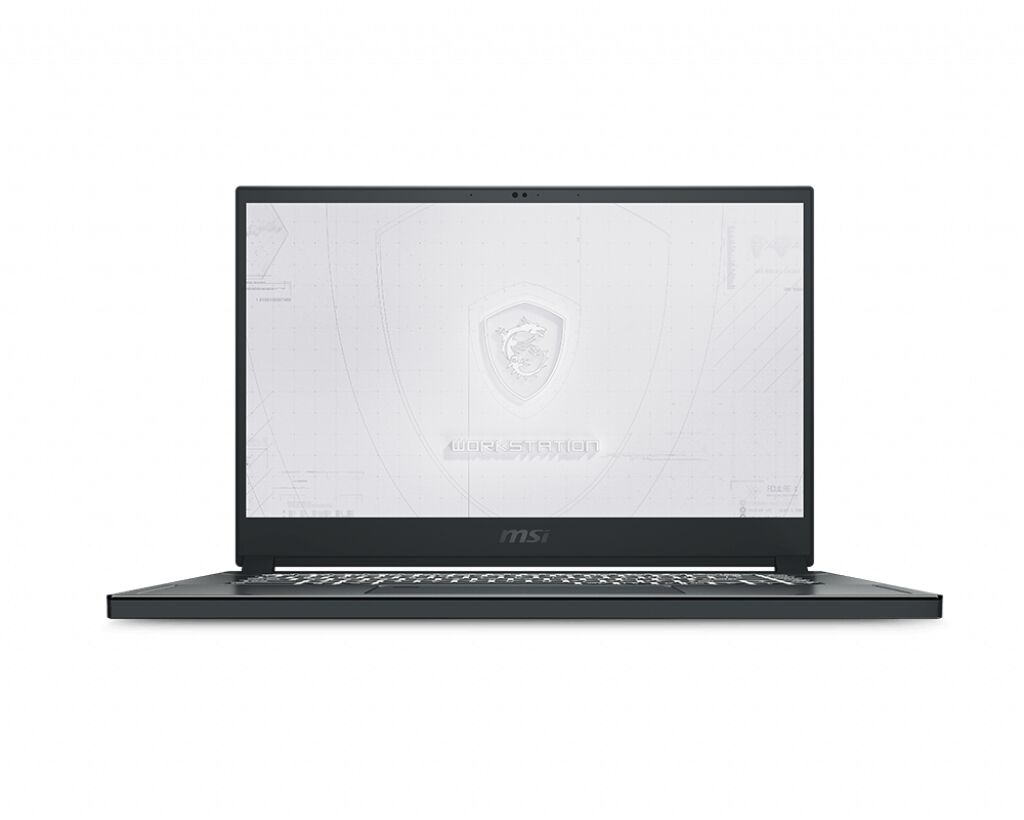
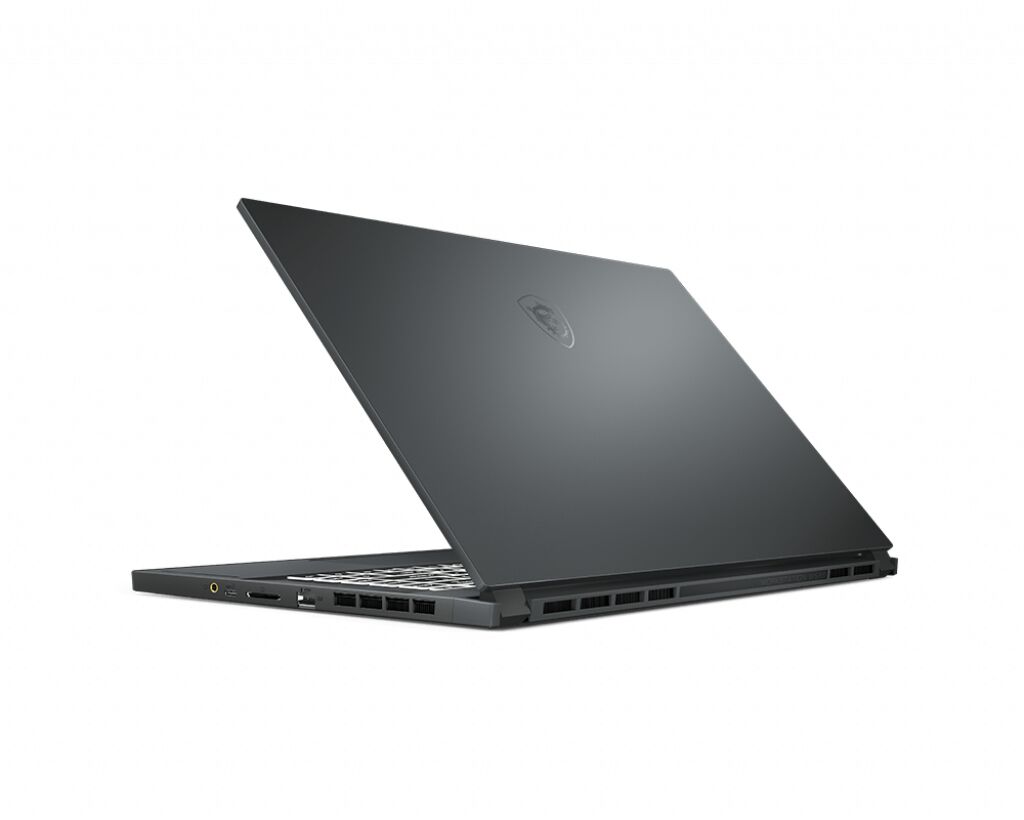
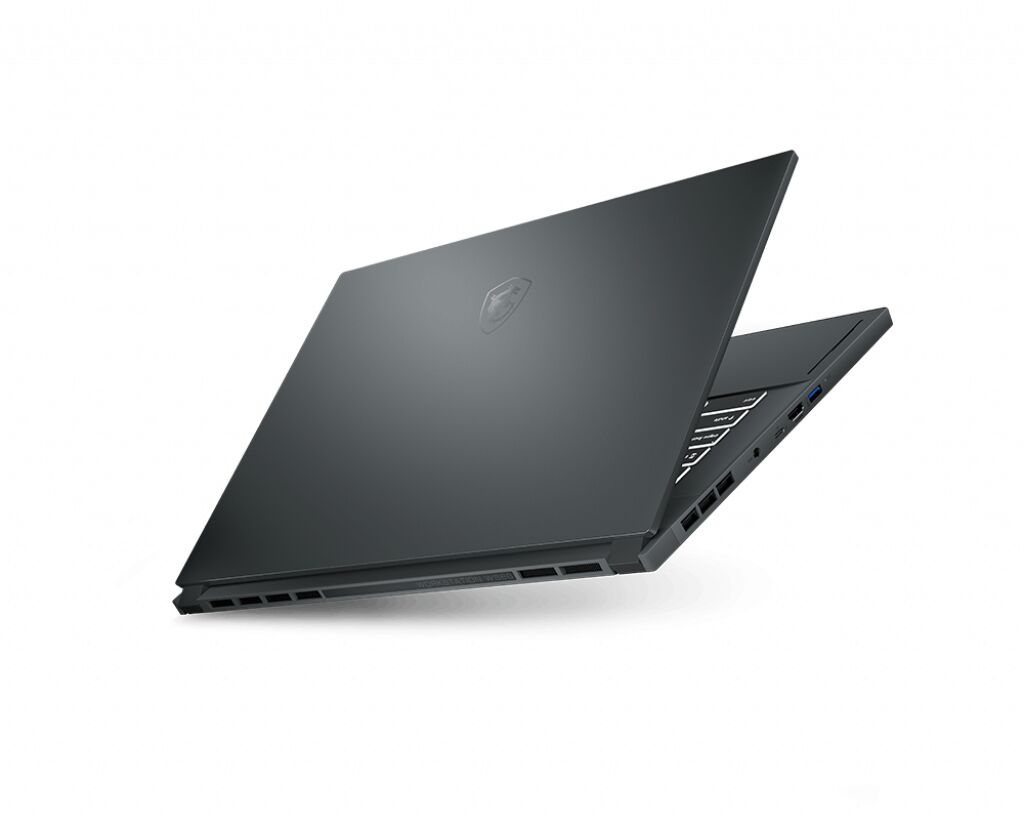
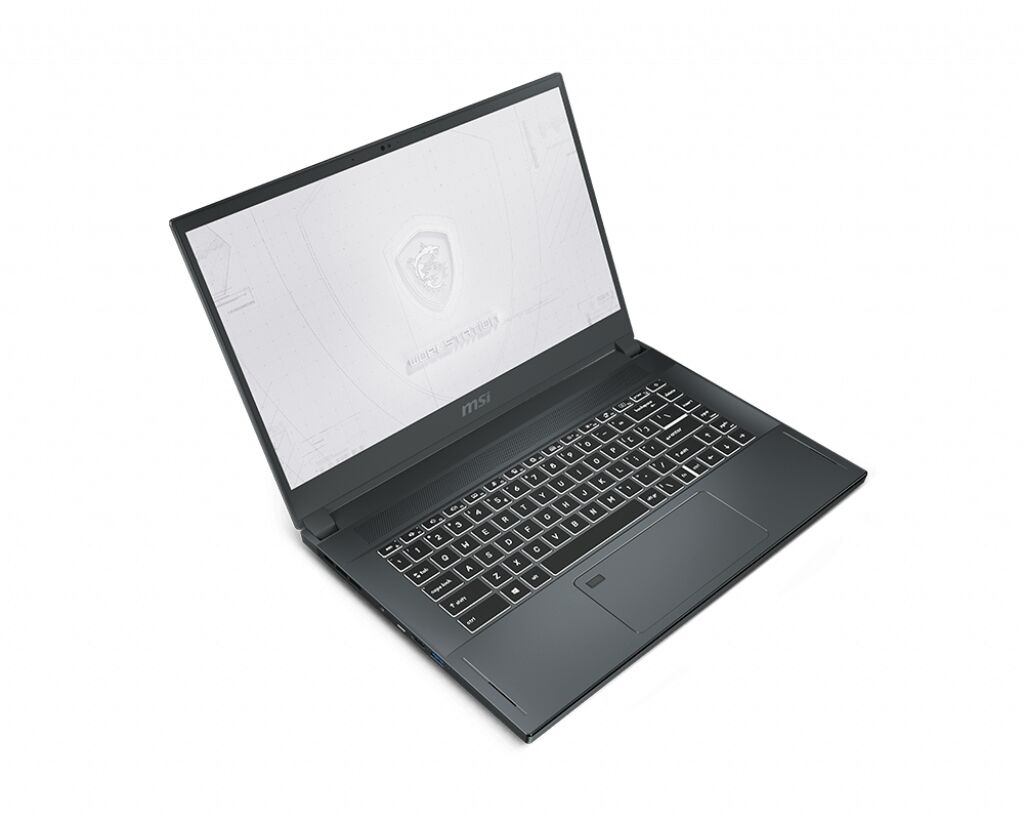
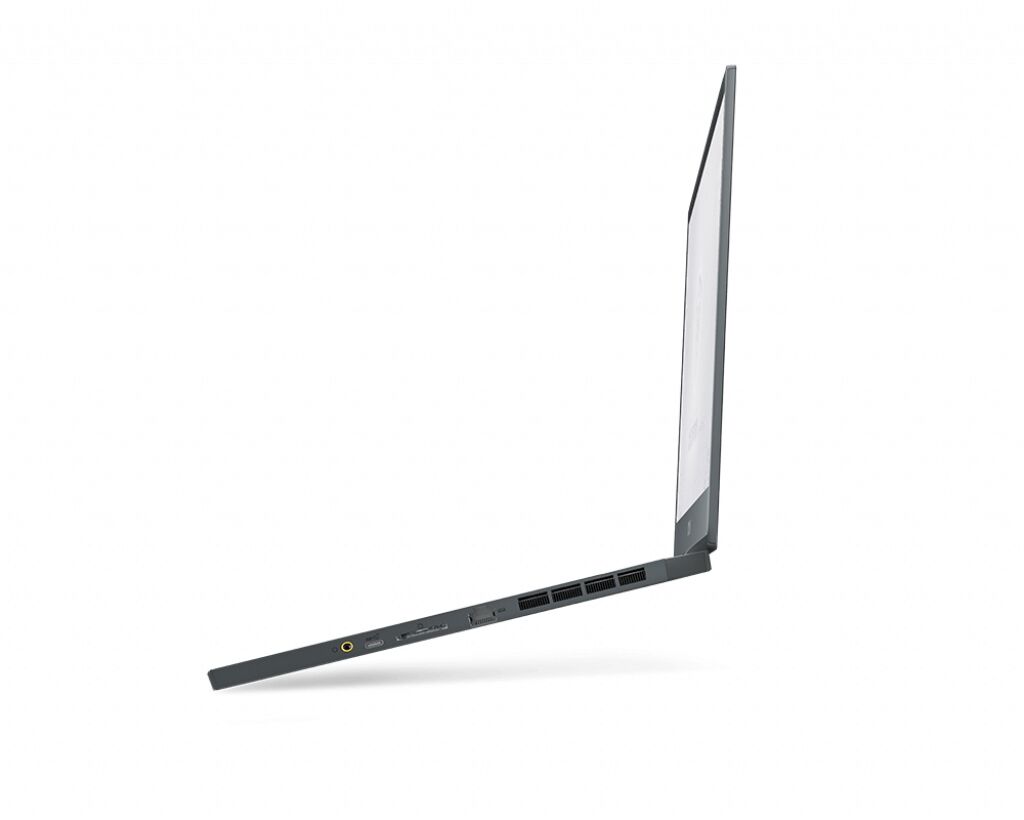
MSI WS66 10TM-044 workstation features two SO-DIMM memory slots supporting DDR4-SDRAM upgrade capability. Maximum memory capacity reaches 64 GB total when fully populated. Compatible RAM specifications include DDR4-2666 MHz modules in SO-DIMM form factor. Upgrade configurations allow individual slot population or dual-channel installation. Current memory specifications and available upgrade paths depend on factory configuration. Compatible memory modules must meet DDR4 standard specifications for this workstation series.
Memory Upgrade Specifications
| Specification | Value |
|---|---|
| Memory slots | 2x SO-DIMM |
| Form factor | SO-DIMM |
| Memory type | DDR4-SDRAM |
| Frequency | 2666 MHz |
| Maximum RAM | 64 GB |
| Voltage | 1.2V |
| Number of pins | 260-pin |
| Interface | PC4 |
| PC Speed Rating | PC4-2666 (PC4-21328) |
| Bandwidth | 21.3 GB/s |
| Laptop Release date | 04 July 2020 |
Additional Notes
- The 2666 MHz frequency specification indicates this MSI WS66 10TM-044 uses Intel's 10th generation Comet Lake mobile processors, which officially support DDR4-2933 but operate at reduced speeds when paired with standard consumer-grade modules.
- Installing modules faster than 2666 MHz will result in automatic downclocking to this speed limit, as the memory controller enforces this frequency ceiling regardless of module capabilities.
- The 2 SO-DIMM slot configuration requires dual-channel population for optimal memory bandwidth, meaning a single module upgrade forfeits half the available data throughput compared to matched pairs.
- Reaching the 64 GB ceiling necessitates two 32 GB modules, which limits cost-effective upgrade paths since intermediate capacities like 48 GB still require purchasing at least one premium-density module.
- Voltage compatibility requires strict adherence to DDR4 standard 1.2V modules, as workstation boards typically reject overclocking-oriented XMP profiles that demand higher voltages.
- The SO-DIMM form factor physically prevents installation of standard desktop DIMM modules, which measure 133.35 mm compared to the required 67.6 mm laptop specification.
- ECC (Error-Correcting Code) module compatibility depends on processor SKU rather than the memory controller itself, meaning ECC functionality may remain disabled even with compatible modules if the CPU lacks support.
- Mixing module capacities between slots remains functional but forces the memory controller into flex mode or asymmetric dual-channel operation, reducing bandwidth efficiency on the higher-capacity module.
- Thermal constraints in mobile chassis mean high-density 32 GB modules generate more heat than equivalent dual 16 GB configurations, potentially triggering earlier thermal throttling under sustained workloads.
- CAS latency variations between modules rated at identical frequencies can create stability issues, as the memory controller must synchronize to the slowest timing across both slots.