MSI Workstation WS66 10TL-220 RAM upgrade specifications
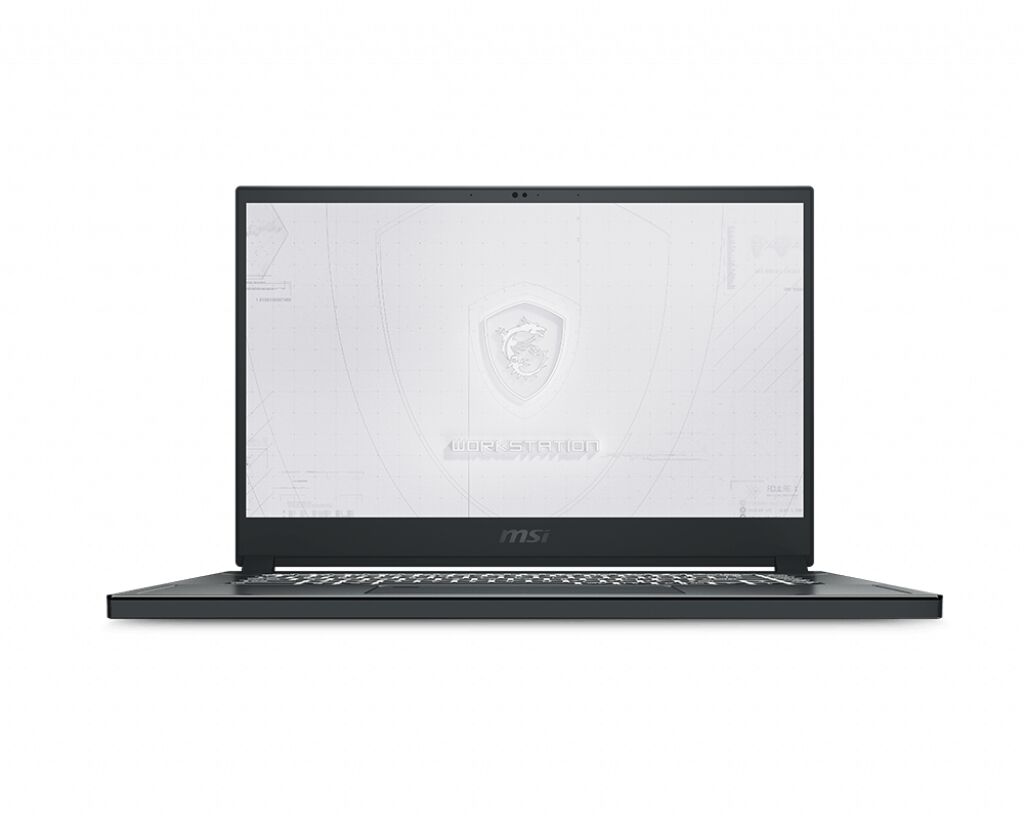
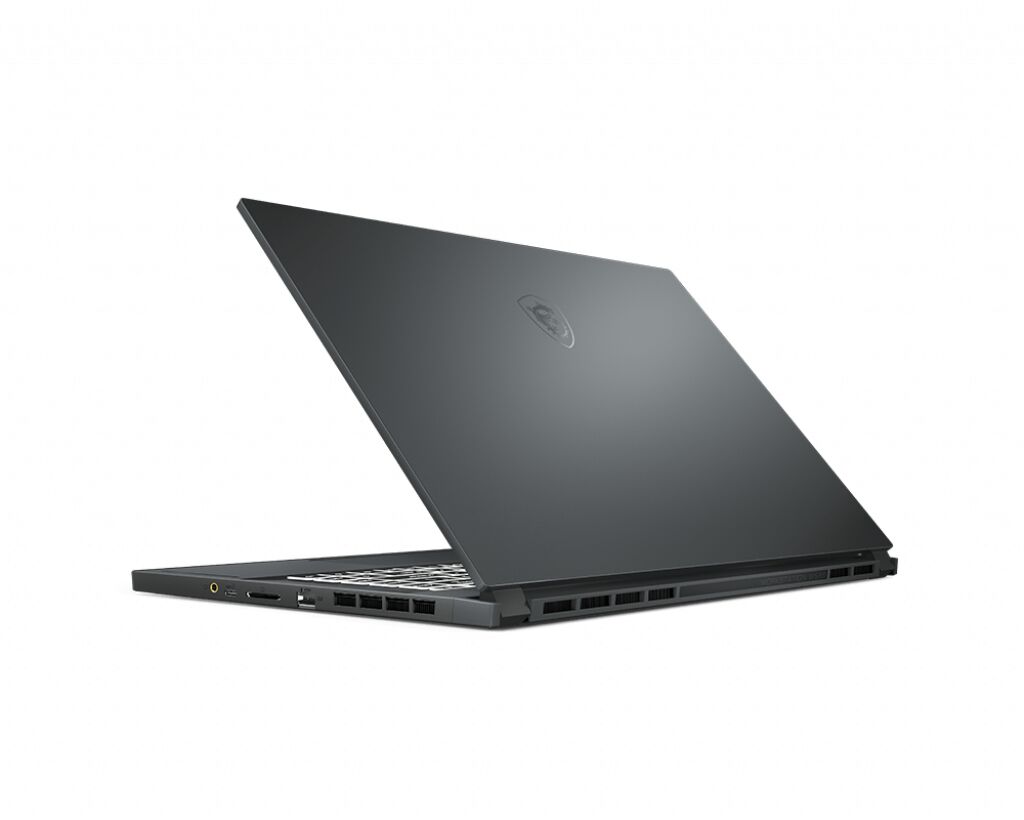
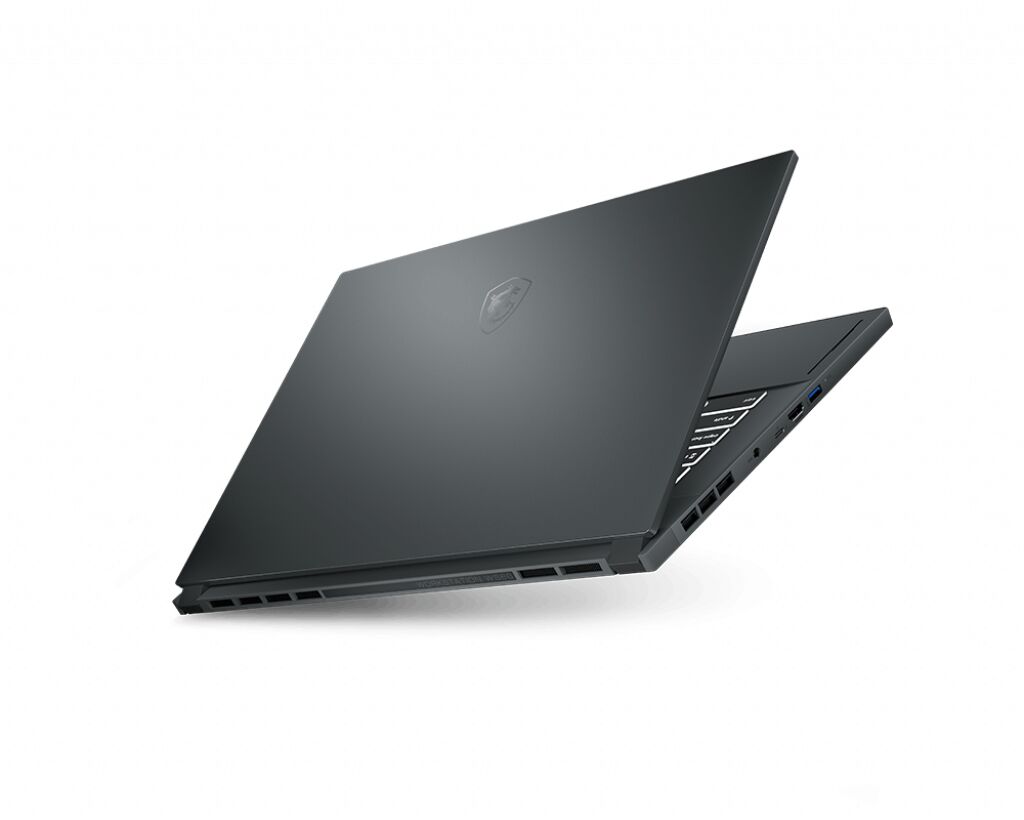

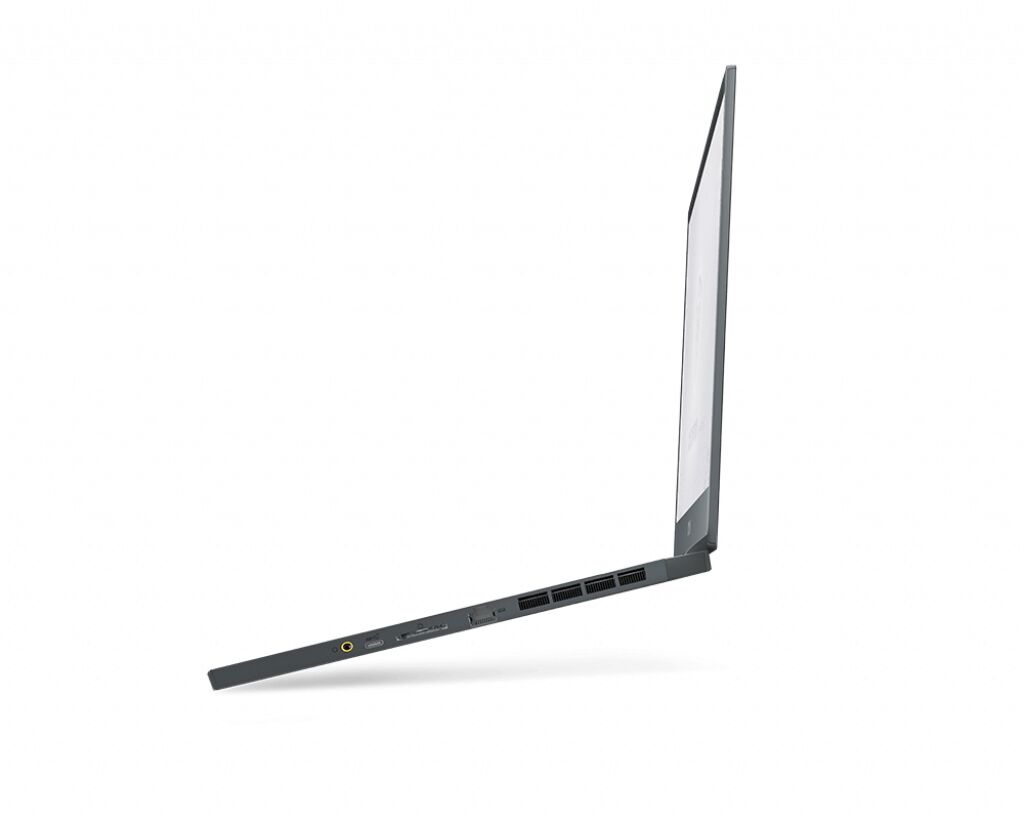
The MSI WS66 10TL-220 workstation features DDR4-SDRAM memory upgrade specifications with two SO-DIMM slots supporting maximum RAM capacity of 64 GB. Compatible memory operates at 2666 MHz frequency. Upgrade options include DDR4 SO-DIMM modules capable of expanding system memory to the specified maximum capacity. The WS66 series workstation supports standard DDR4 specifications for professional computing applications.
Memory Upgrade Specifications
| Specification | Value |
|---|---|
| Memory slots | 2x SO-DIMM |
| Form factor | SO-DIMM |
| Memory type | DDR4-SDRAM |
| Frequency | 2666 MHz |
| Maximum RAM | 64 GB |
| Voltage | 1.2V |
| Number of pins | 260-pin |
| Interface | PC4 |
| PC Speed Rating | PC4-2666 (PC4-21328) |
| Bandwidth | 21.3 GB/s |
| Laptop Release date | 10 June 2020 |
Additional Notes
- The MSI WS66 10TL-220 requires SO-DIMM modules rather than standard desktop DIMMs, which eliminates compatibility with most consumer desktop memory kits.
- The 64 GB ceiling translates to 32 GB modules per slot, ruling out configurations using 4 or 8 GB sticks if targeting maximum capacity.
- DDR4-SDRAM specification locks out DDR3L or DDR5 modules regardless of physical compatibility, as voltage and signaling protocols differ fundamentally.
- The 2666 MHz frequency represents a bandwidth limitation of 21.3 GB/s per channel in dual-channel mode, potentially constraining GPU-intensive workflows or large dataset processing.
- Dual-slot architecture limits total channel bandwidth compared to quad-channel systems, creating a bottleneck for applications relying on sustained memory throughput.
- Installing mixed-capacity modules forces operation in asymmetric dual-channel mode, reducing effective bandwidth for the portion exceeding the smaller module's size.
- Non-ECC memory specification means the system lacks error correction, making it unsuitable for mission-critical workloads requiring data integrity validation.
- SO-DIMM physical dimensions necessitate module heights under 30 mm to avoid interference with keyboard assemblies or cooling systems in compact chassis designs.
- Running modules rated above 2666 MHz results in automatic downclocking to the supported frequency, wasting the cost premium of faster memory.
- Single-rank versus dual-rank module topology affects interleaving efficiency, with dual-rank configurations potentially improving performance by 5-10% in memory-bound tasks.
- Thermal constraints in mobile platforms may throttle performance under sustained loads if aftermarket modules lack adequate heat spreaders or thermal pads.
- Warranty preservation requires avoiding BIOS voltage adjustments, restricting overclocking attempts that could otherwise compensate for the frequency limitation.
- Operating systems with 32-bit architecture cannot address the full 64 GB capacity, capping usable memory at approximately 4 GB regardless of physical installation.