MSI Workstation WS75 10TK-440FR RAM upgrade specifications
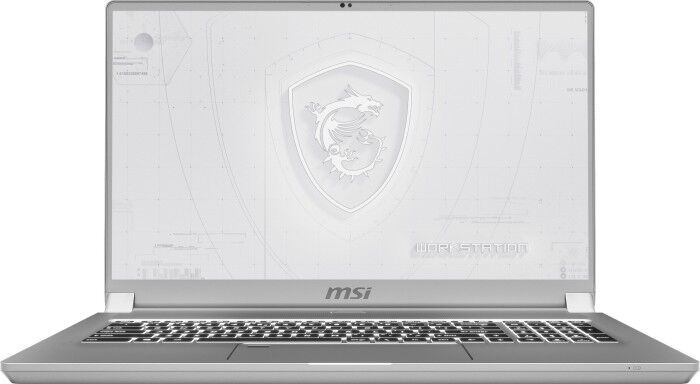

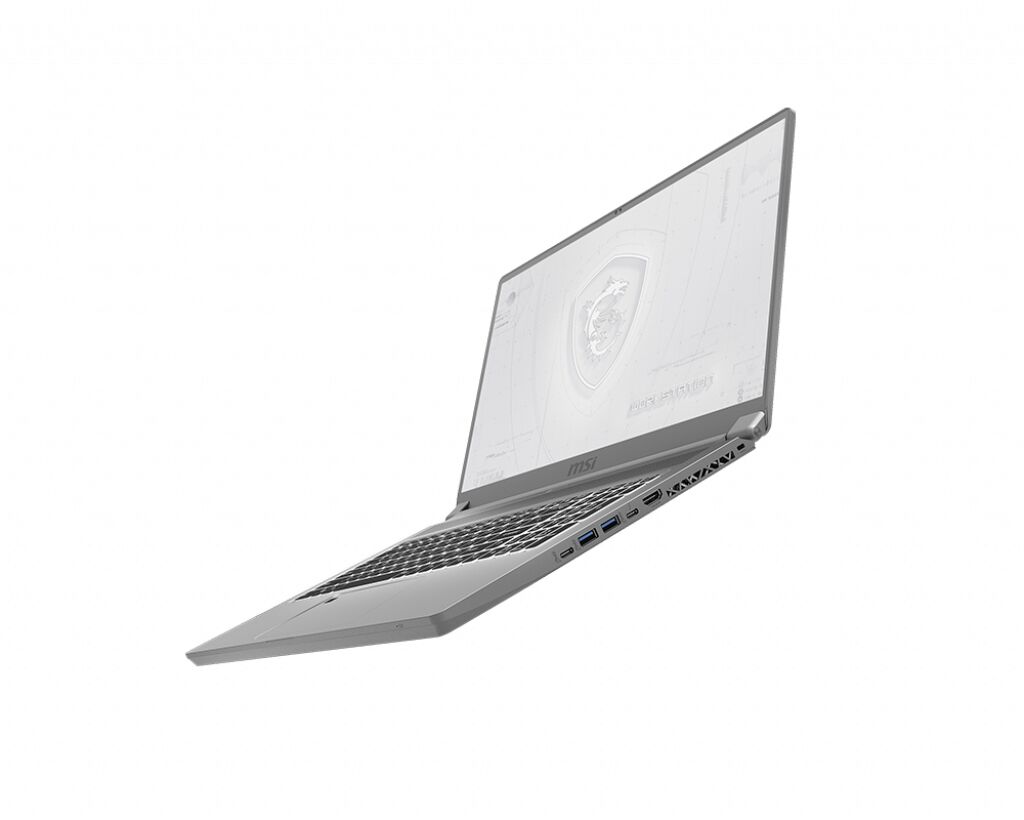

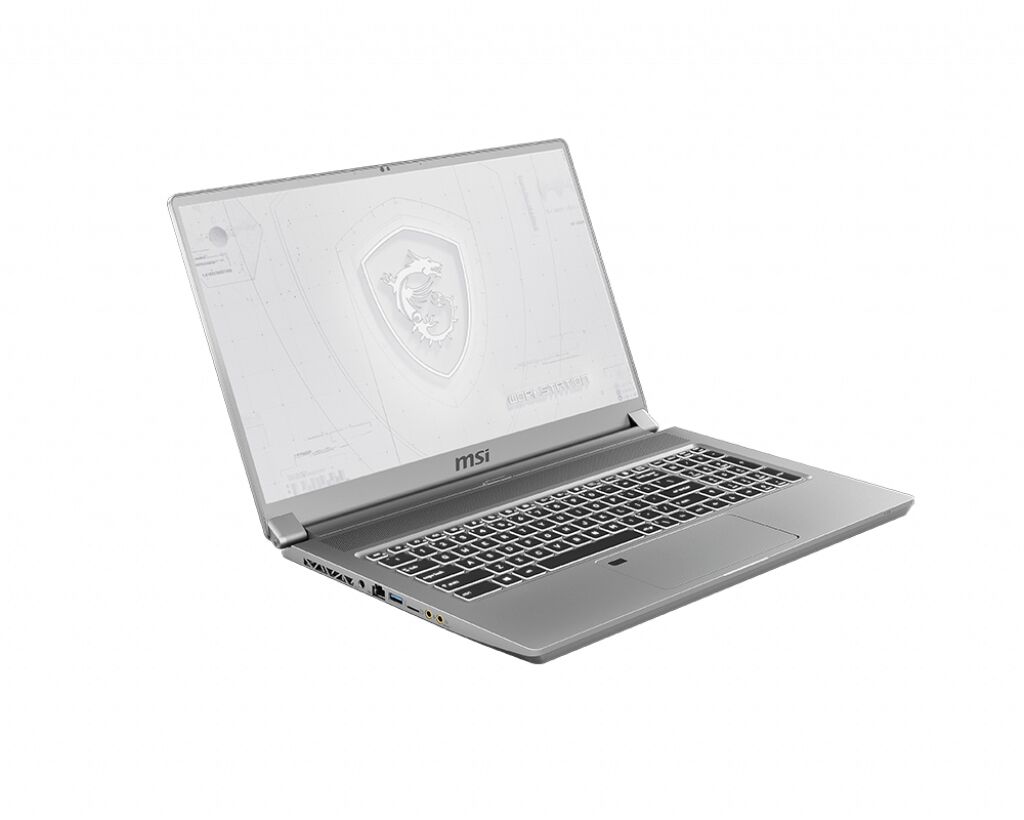
MSI WS75 10TK-440FR workstation memory upgrade specifications include two SO-DIMM slots supporting DDR4-SDRAM modules at 2666 MHz frequency. Maximum RAM capacity reaches 64 GB total. Compatible memory upgrades utilize SO-DIMM form factor specifications. Existing memory configurations can be expanded through available upgrade slots to achieve maximum capacity specifications for enhanced workstation performance and multitasking capabilities.
Memory Upgrade Specifications
| Specification | Value |
|---|---|
| Memory slots | 2x SO-DIMM |
| Form factor | SO-DIMM |
| Memory type | DDR4-SDRAM |
| Frequency | 2666 MHz |
| Maximum RAM | 64 GB |
| Voltage | 1.2V |
| Number of pins | 260-pin |
| Interface | PC4 |
| PC Speed Rating | PC4-2666 (PC4-21328) |
| Bandwidth | 21.3 GB/s |
| Laptop Release date | 22 August 2020 |
Additional Notes
- The 2666 MHz frequency specification indicates DDR4-2666 modules are required, as DDR4 memory controllers typically reject modules rated below the system's base frequency even when faster modules are backward compatible.
- The 64 GB maximum capacity constrains configurations to either 2x32 GB modules or accepting reduced headroom with 2x16 GB setups, as the dual-slot architecture prohibits incremental expansion beyond these pairings.
- SO-DIMM form factor compliance is non-negotiable for this MSI Workstation WS75 10TK-440FR, as standard UDIMM desktop modules are physically incompatible with mobile socket dimensions and pin configurations.
- Dual-channel population requires matched pairs for optimal memory interleaving, meaning asymmetric configurations like 1x32 GB plus 1x16 GB would force single-channel operation and halve theoretical bandwidth to 21.3 GB/s.
- The 10th generation Intel platform underlying this specification likely uses a memory controller with JEDEC standards limiting official support to DDR4-2933, though 2666 MHz represents a conservative specification that ensures stability across thermal conditions.
- Module height restrictions typical of workstation chassis designs may reject high-profile SO-DIMMs with oversized heat spreaders, requiring low-profile variants that maintain sub-30mm clearance from the PCB surface.
- Warranty preservation typically requires non-destructive installation through bottom panel access ports rather than full chassis disassembly, though this varies by regional service policies.
- ECC (Error-Correcting Code) versus non-ECC compatibility depends on chipset specifications not listed here, but workstation-class systems occasionally support both types while consumer platforms reject ECC modules entirely.
- Power consumption scales with capacity and frequency, where 2x32 GB configurations may draw 8-10W under load compared to 5-6W for 2x16 GB setups, impacting battery runtime during memory-intensive operations.
- Latency timings (CL ratings) are not specified but directly affect real-world responsiveness, with CL19 modules being standard for 2666 MHz while tighter CL17 variants offer marginal gains in latency-sensitive workflows.