MSI Workstation WS75 10TK-468 RAM upgrade specifications
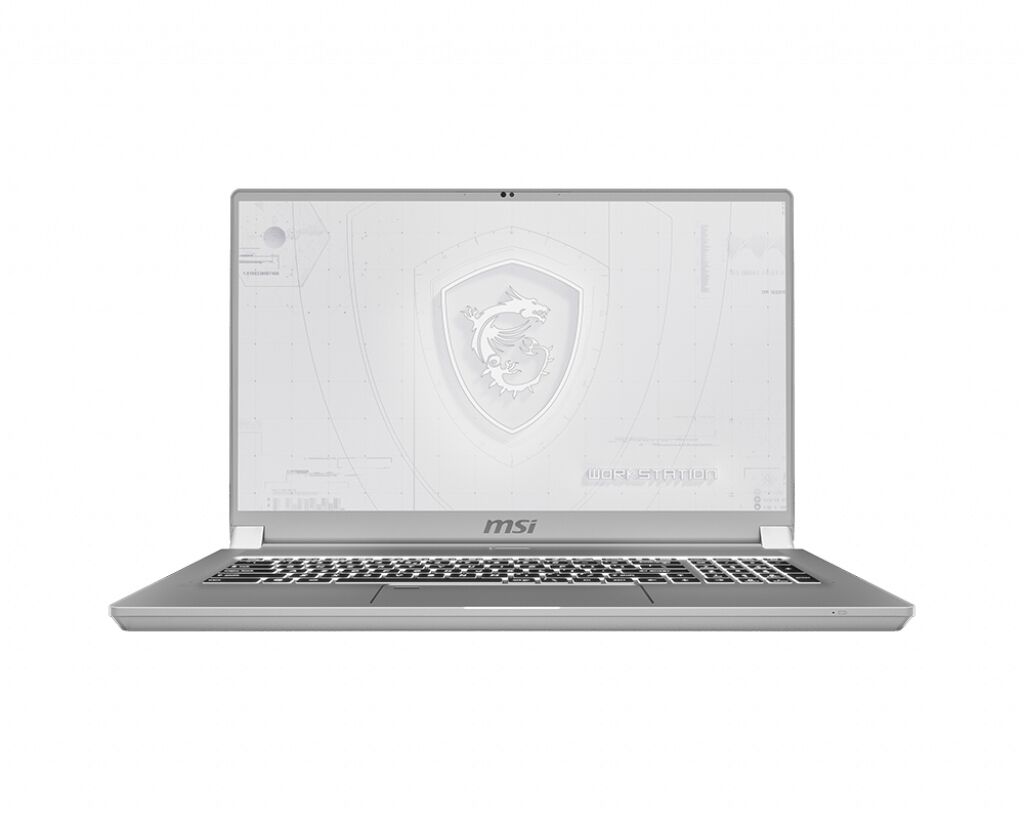



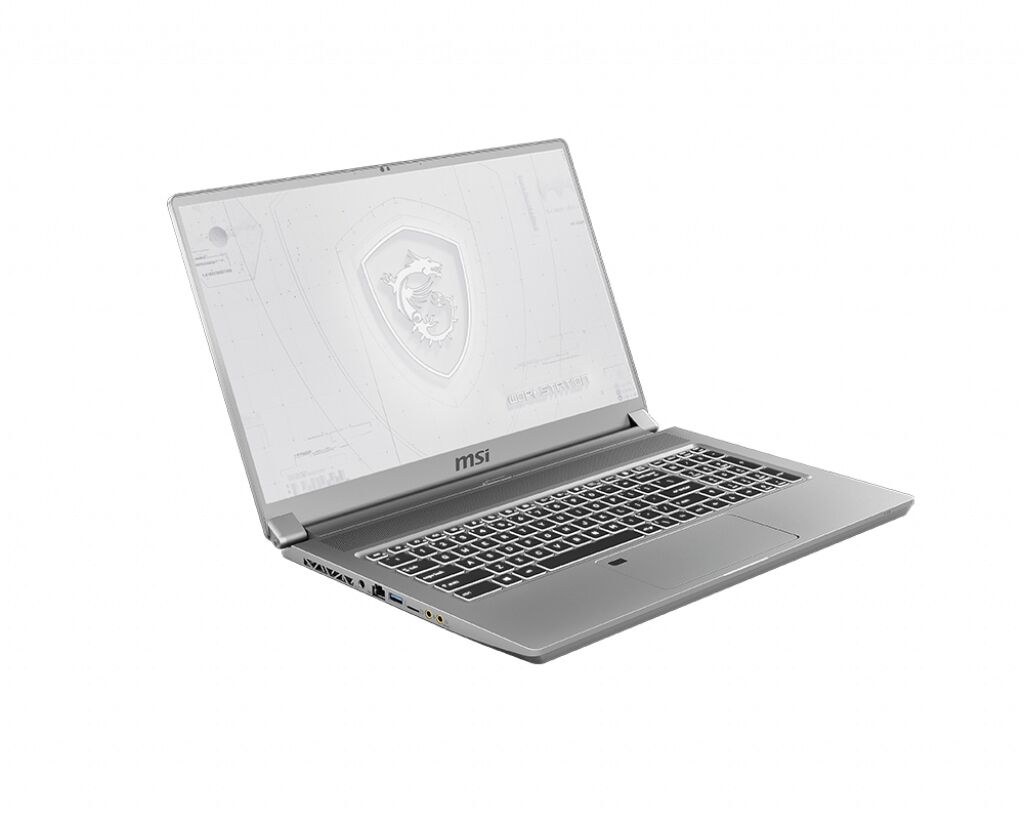
The MSI WS75 10TK-468 workstation features two SO-DIMM memory slots supporting DDR4-SDRAM specifications. The laptop is compatible with memory modules operating at 2666 MHz frequency. Maximum RAM capacity reaches 64 GB when both memory slots are populated with compatible upgrades. RAM upgrade specifications indicate support for standard DDR4 SO-DIMM form factor modules, enabling users to expand memory capacity from the factory configuration. The WS75 series workstation supports dual-channel memory architecture through its two available upgrade slots for enhanced system performance.
Memory Upgrade Specifications
| Specification | Value |
|---|---|
| Memory slots | 2x SO-DIMM |
| Form factor | SO-DIMM |
| Memory type | DDR4-SDRAM |
| Frequency | 2666 MHz |
| Maximum RAM | 64 GB |
| Voltage | 1.2V |
| Number of pins | 260-pin |
| Interface | PC4 |
| PC Speed Rating | PC4-2666 (PC4-21328) |
| Bandwidth | 21.3 GB/s |
| Laptop Release date | 22 July 2020 |
Additional Notes
- The motherboard architecture of the MSI WS75 10TK-468 necessitates a mirrored configuration of 32 GB modules to reach the maximum threshold without inducing memory controller instability.
- Dual channel mode activation requires two identical modules to avoid bandwidth drops that negatively impact render times in CAD and visual production software.
- Utilizing modules with higher rated frequencies will result in automatic downclocking to the 2666 MHz system ceiling due to chipset limitations on the workstation platform.
- Physical access to both SO DIMM slots requires removal of the bottom chassis cover which typically involves penetrating a factory seal sticker and may affect regional service terms.
- The 64 GB capacity limit suggests a 2 rank per channel density threshold which precludes the use of newer 48 GB or 64 GB single sticks.
- Heat dissipation within the slim workstation chassis relies on thin thermal shielding over the memory slots which must be correctly reseated to prevent localized throttling during heavy sustained workloads.
- Low voltage 1.2V modules are required to ensure power delivery compatibility and to maintain the thermal envelope of the internal components.