MSI Workstation 11UM-449FR RAM upgrade specifications
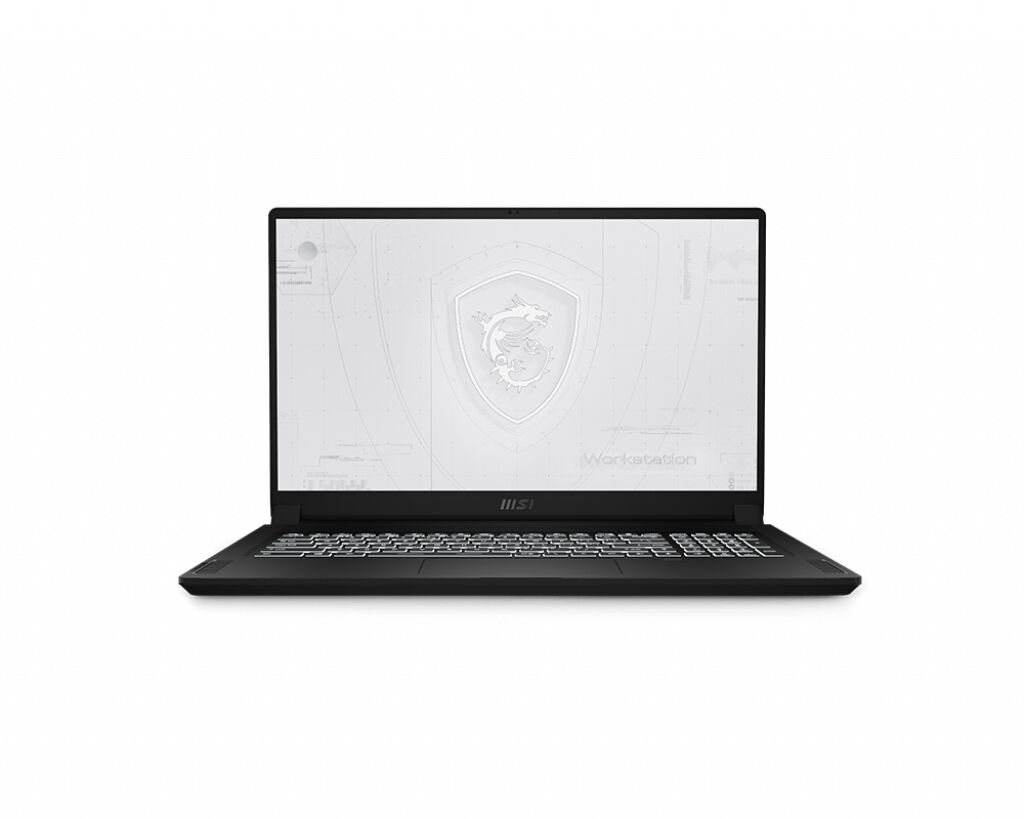
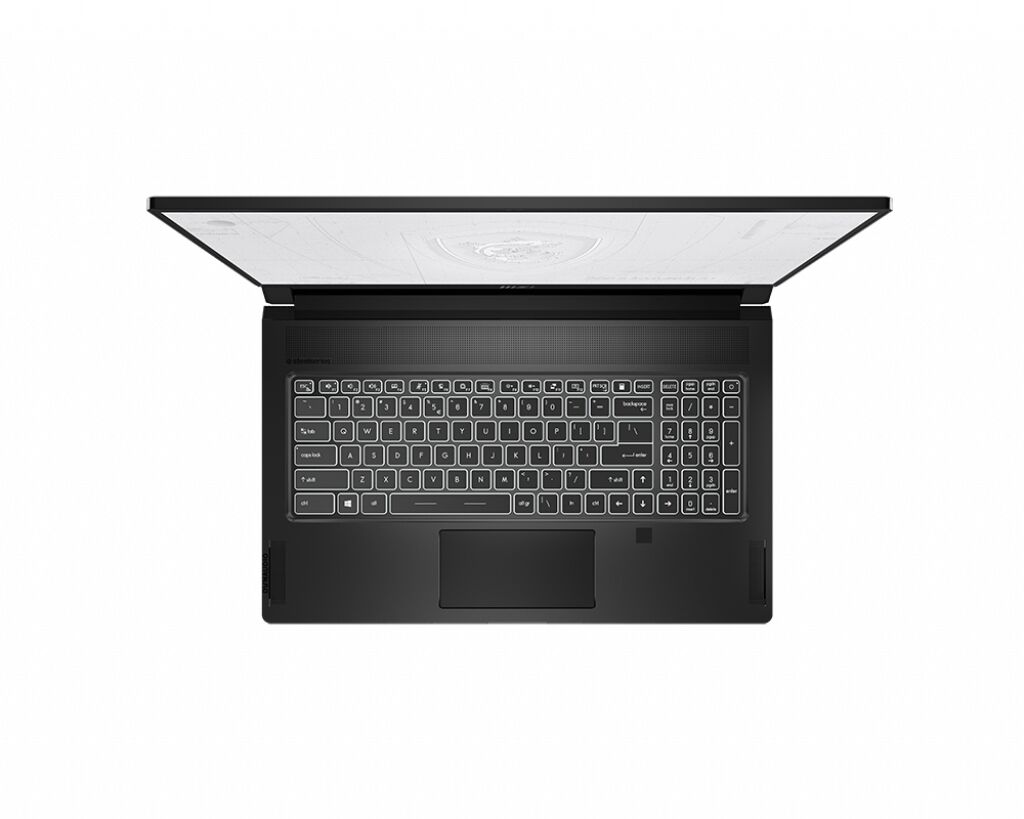
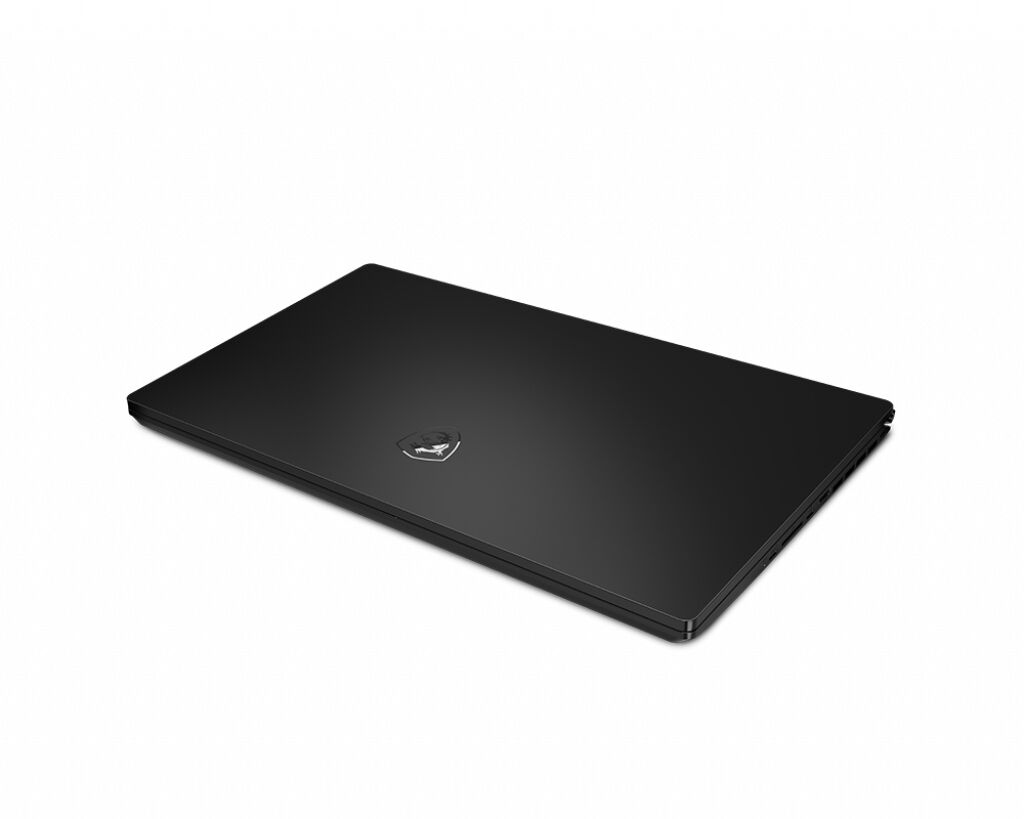
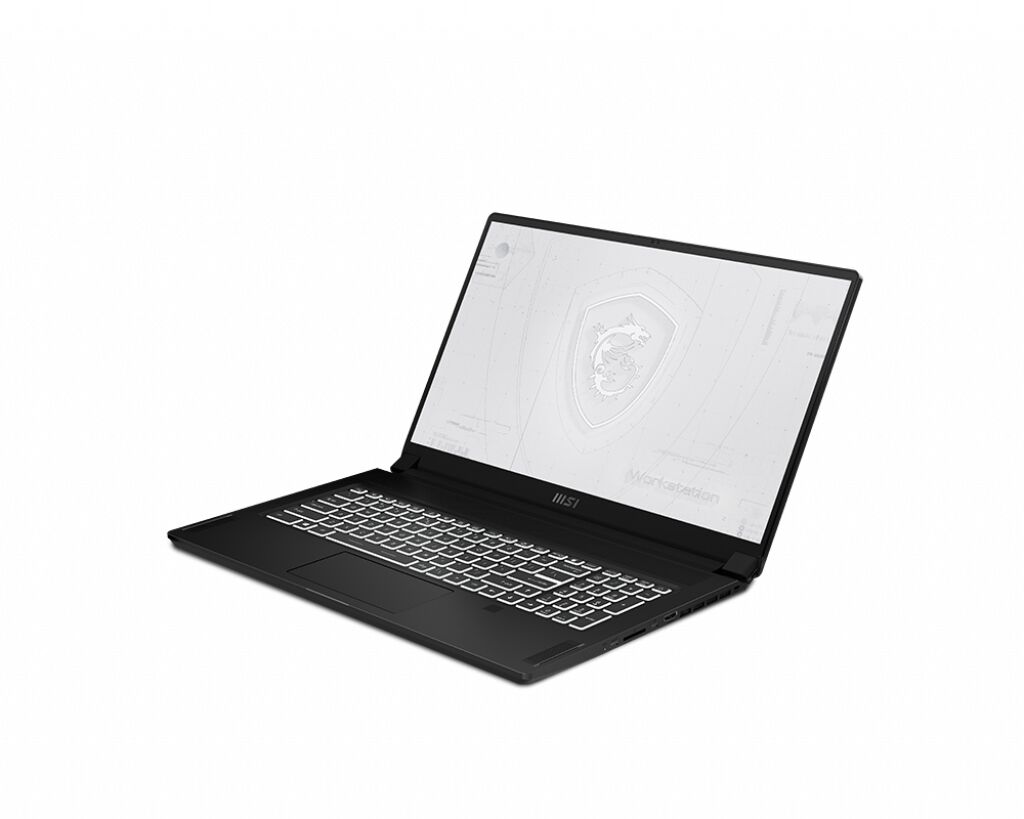
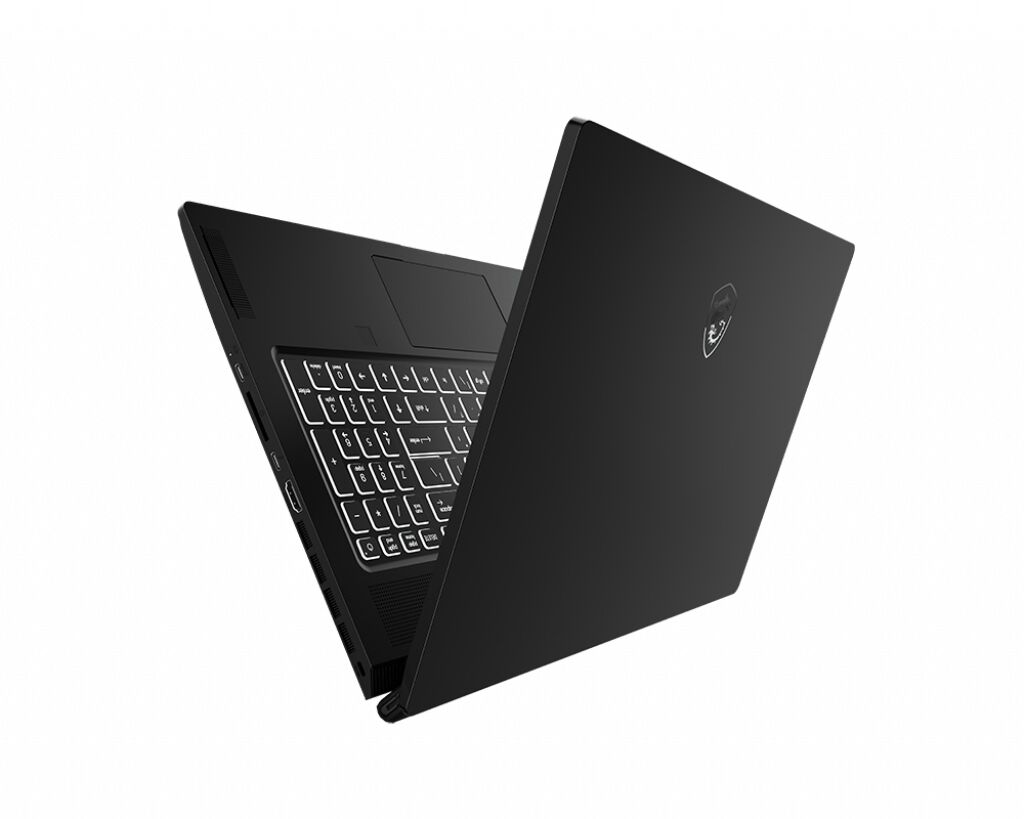
MSI WS76 11UM-449FR workstation features DDR4-SDRAM memory configuration with 2x SO-DIMM slots supporting maximum RAM capacity of 64 GB. Compatible memory modules operate at 3200 MHz frequency. Upgrade specifications indicate SO-DIMM form factor compatibility. Maximum supported memory enables significant performance enhancements for intensive workstation applications. Specifications facilitate RAM upgrade planning for MSI WS76 series mobile workstations.
Memory Upgrade Specifications
| Specification | Value |
|---|---|
| Memory slots | 2x SO-DIMM |
| Form factor | SO-DIMM |
| Memory type | DDR4-SDRAM |
| Frequency | 3200 MHz |
| Maximum RAM | 64 GB |
| Voltage | 1.2V |
| Number of pins | 260-pin |
| Interface | PC4 |
| PC Speed Rating | PC4-3200 (PC4-25600) |
| Bandwidth | 25.6 GB/s |
| Laptop Release date | 13 February 2022 |
Additional Notes
- The MSI 11UM-449FR workstation uses SO-DIMM memory architecture, limiting maximum capacity to 64 GB across 2 slots rather than the 128 GB+ achievable with full-size DIMM configurations typical of desktop workstations.
- DDR4-3200 MHz represents the baseline supported frequency; compatibility requires verification of JEDEC-standard modules, as some aftermarket DDR4-3600 or DDR4-4000 variants may operate at reduced clock speeds or require manual BIOS voltage adjustments without guaranteed stability.
- The 2-slot architecture creates a single-point-of-failure limitation where failure of one SO-DIMM module results in complete memory loss rather than degraded performance, affecting business continuity planning for extended field deployments.
- SO-DIMM modules generate higher thermal density per unit volume than standard DIMMs; thermal interference with adjacent components or throttling may occur if aftermarket modules lack low-profile heatspreaders or adequate spacing from CPU cooling solutions.
- Upgrading from stock configuration to maximum 64 GB capacity requires replacing both SO-DIMM modules simultaneously, as mixed capacities on 2-slot boards frequently trigger incompatibility flags or force operation at the lower module's specifications.
- The 3200 MHz specification creates a hard bandwidth ceiling of approximately 51.2 GB/s per channel; applications executing memory-intensive compute workloads will experience latency-bound performance rather than throughput-bound gains from processor upgrades.