ASUS ProArt StudioBook W700G1T-AV059R RAM upgrade specifications
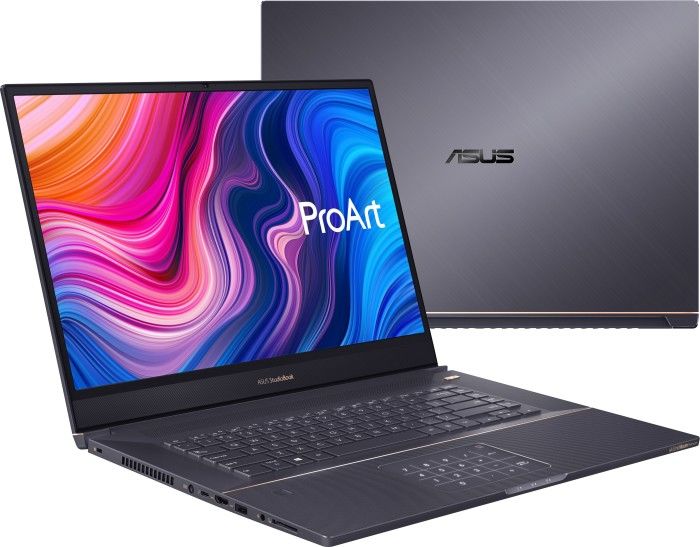
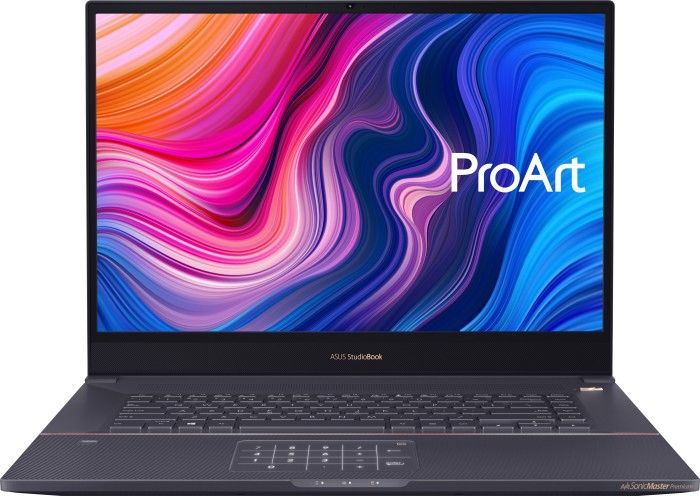
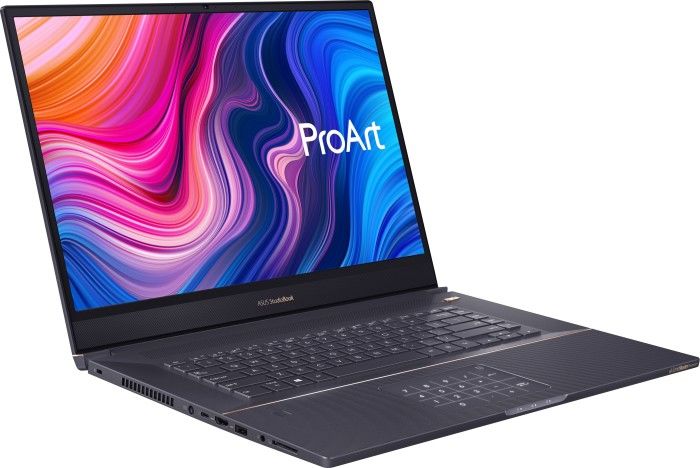
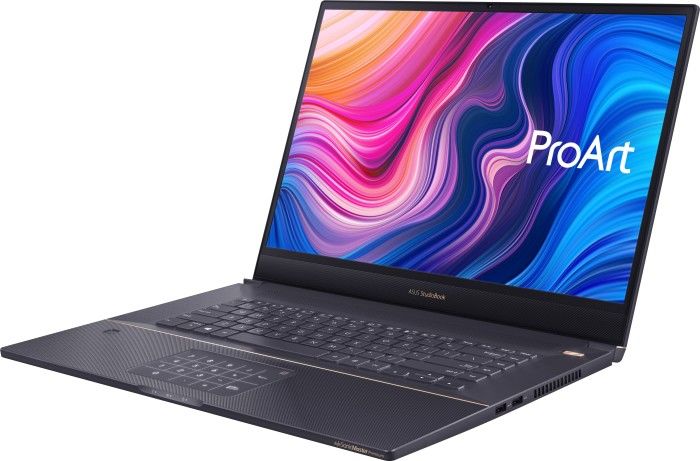
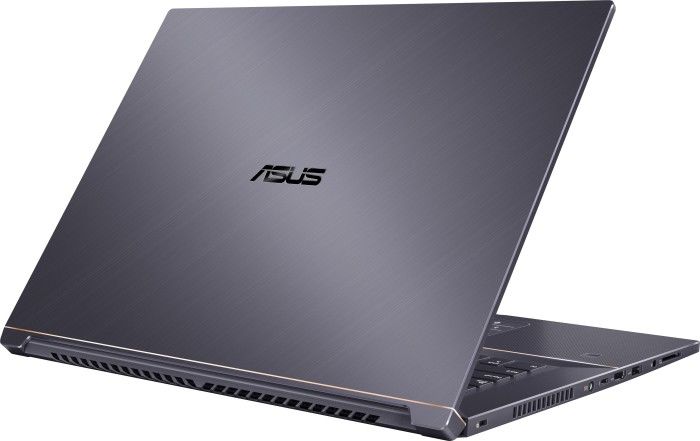
ASUS ProArt StudioBook Pro 17 W700G1T-AV059R RAM upgrade specifications include two SO-DIMM slots supporting DDR4-SDRAM memory at 2666 MHz frequency. Maximum compatible RAM capacity reaches 64 GB total. Upgrade requires SO-DIMM form factor modules. Specifications detail compatible memory configurations for enhanced system performance on mobile workstation platform.
Memory Upgrade Specifications
| Specification | Value |
|---|---|
| Memory slots | 2x SO-DIMM |
| Form factor | SO-DIMM |
| Memory type | DDR4-SDRAM |
| Frequency | 2666 MHz |
| Maximum RAM | 64 GB |
| Voltage | 1.2V |
| Number of pins | 260-pin |
| Interface | PC4 |
| PC Speed Rating | PC4-2666 (PC4-21328) |
| Bandwidth | 21.3 GB/s |
| Laptop Release date | 27 January 2020 |
Additional Notes
- The ASUS ProArt StudioBook W700G1T-AV059R imposes a 32 GB per-slot density ceiling, requiring dual-rank modules to reach maximum capacity.
- DDR4-2666 operation indicates this system uses an Intel 8th or 9th generation mobile platform, which natively supports this speed without overclocking.
- Higher frequency modules rated at 3200 MHz will automatically downclock to 2666 MHz due to chipset limitations, offering no performance advantage.
- SO-DIMM form factor requires 260-pin modules specifically designed for mobile platforms, incompatible with standard 288-pin desktop DIMMs.
- Mixing modules with different densities or speeds across the 2 slots will force both to operate at the lowest common specification.
- The platform supports unbuffered, non-ECC memory only; registered or error-correcting modules will cause POST failures.
- Populating both slots enables dual-channel memory architecture, effectively doubling theoretical memory bandwidth to 42.6 GB/s.
- Accessing the SO-DIMM slots typically requires removing the bottom chassis panel, which may involve Torx T5 or Phillips #0 screws depending on production batch.
- Operating voltage must remain at standard 1.2V for DDR4-2666; low-voltage or overclocking-spec modules may introduce stability issues.
- The 64 GB ceiling reflects JEDEC maximum addressable capacity for consumer mobile chipsets in this generation, not a BIOS-imposed restriction.