ASUS ProArt StudioBook W700G2T-AV004R RAM upgrade specifications

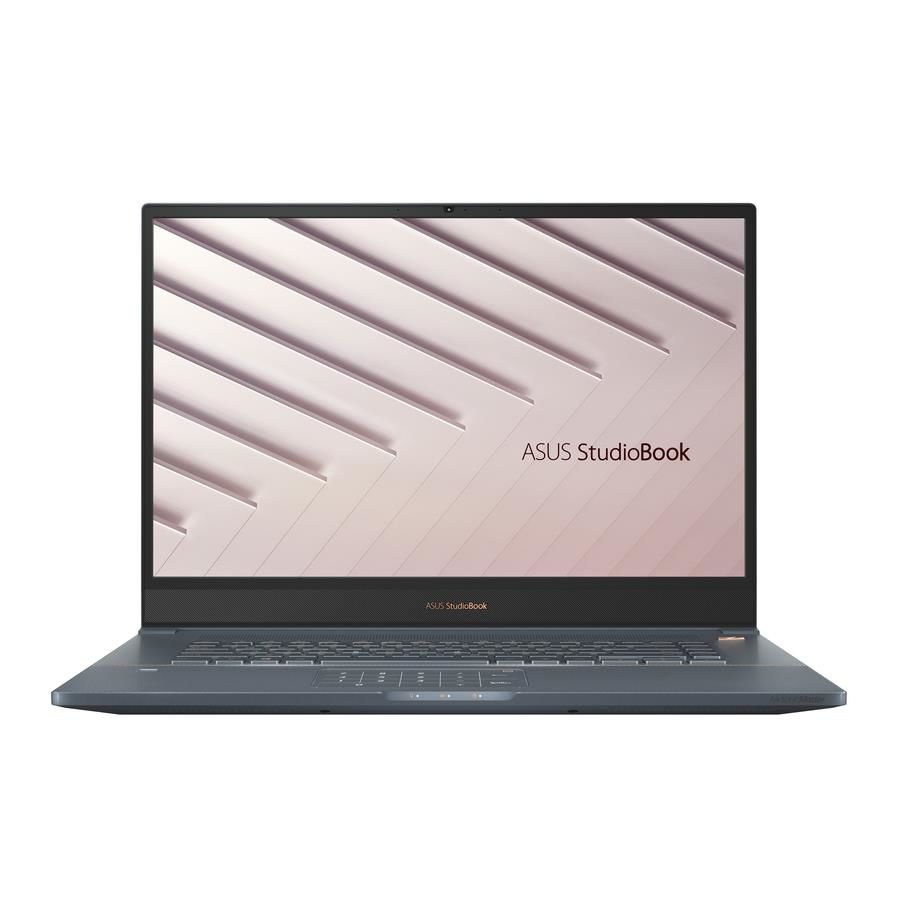
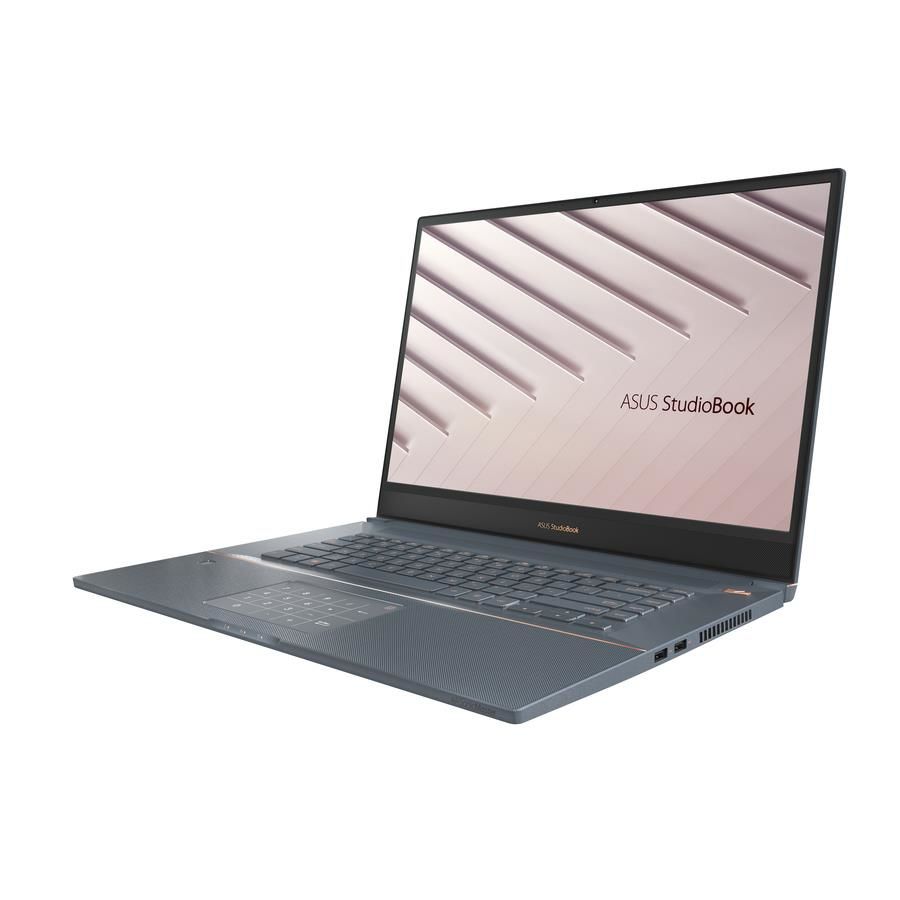

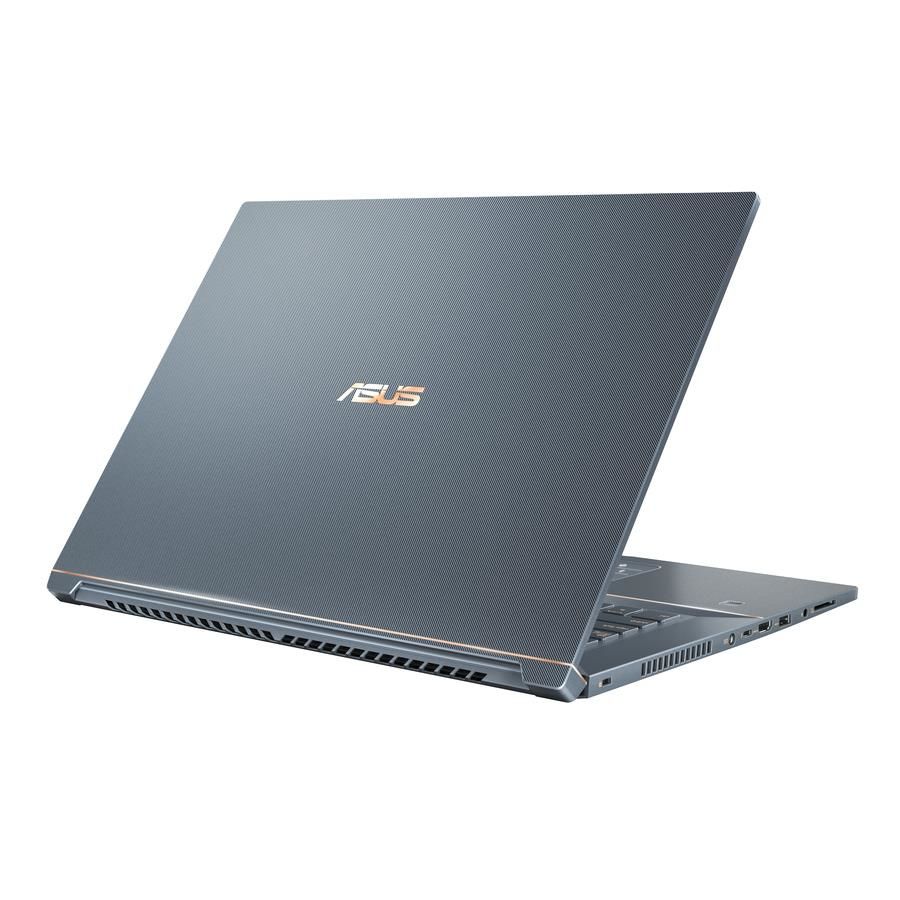
The ASUS ProArt StudioBook Pro 17 W700G2T-AV004R features DDR4-SDRAM memory upgrade specifications with 2x SO-DIMM slots supporting maximum capacity of 64 GB RAM. The upgrade compatible memory operates at 2666 MHz frequency and utilizes SO-DIMM form factor. Specifications indicate this ProArt StudioBook Pro 17 model accepts DDR4 memory modules for maximum performance and compatibility with the workstation-class laptop platform.
Memory Upgrade Specifications
| Specification | Value |
|---|---|
| Memory slots | 2x SO-DIMM |
| Form factor | SO-DIMM |
| Memory type | DDR4-SDRAM |
| Frequency | 2666 MHz |
| Maximum RAM | 64 GB |
| Voltage | 1.2V |
| Number of pins | 260-pin |
| Interface | PC4 |
| PC Speed Rating | PC4-2666 (PC4-21328) |
| Bandwidth | 21.3 GB/s |
| Laptop Release date | 21 September 2019 |
Additional Notes
- DDR4-SDRAM at 2666 MHz operates below contemporary performance standards for workstation-class systems, creating potential bandwidth constraints during parallel processing tasks such as 3D rendering, video encoding, or large dataset manipulation.
- The 2x SO-DIMM configuration on the ASUS ProArt StudioBook W700G2T-AV004R permits maximum capacity of 64 GB, achievable only through dual 32 GB modules; single-module upgrades will leave one slot empty and forfeit half the theoretical memory bandwidth benefit.
- SO-DIMM memory slots are soldered into mobile PCB assemblies with extremely limited physical tolerance; installation requires precision alignment and controlled insertion force to prevent permanent damage to socket contacts, necessitating professional servicing or manufacturer-authorized technicians for warranty compliance.
- Sourcing matched DDR4-SDRAM SO-DIMM pairs rated for 2666 MHz presents supply challenges in contemporary markets dominated by DDR5 inventory; third-party modules may carry incompatibility risk despite nominal standard compliance.
- Memory speed remains locked to 2666 MHz by firmware; no overclocking headroom exists for performance optimization through frequency adjustments.
- Upgrading from factory configuration to 64 GB requires complete module replacement rather than additive expansion, signifying temporary non-functionality during the transition period and heightened risk exposure for the system.