ASUS ProArt StudioBook W700G2T-AV020R RAM upgrade specifications

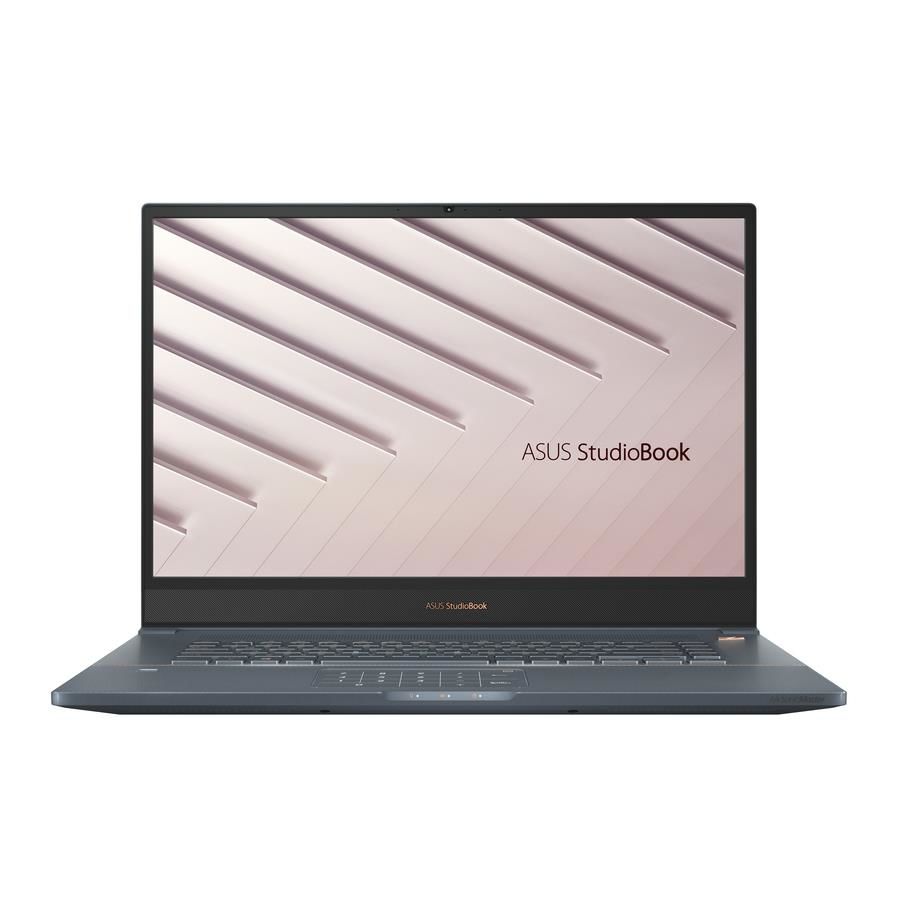
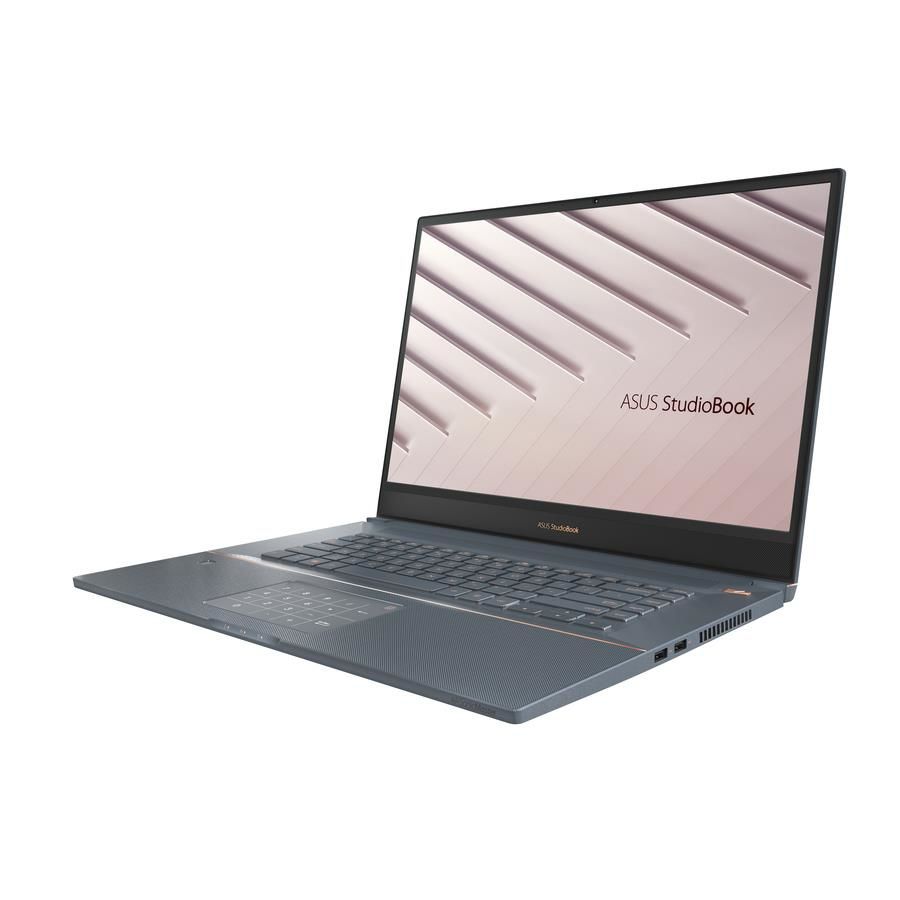
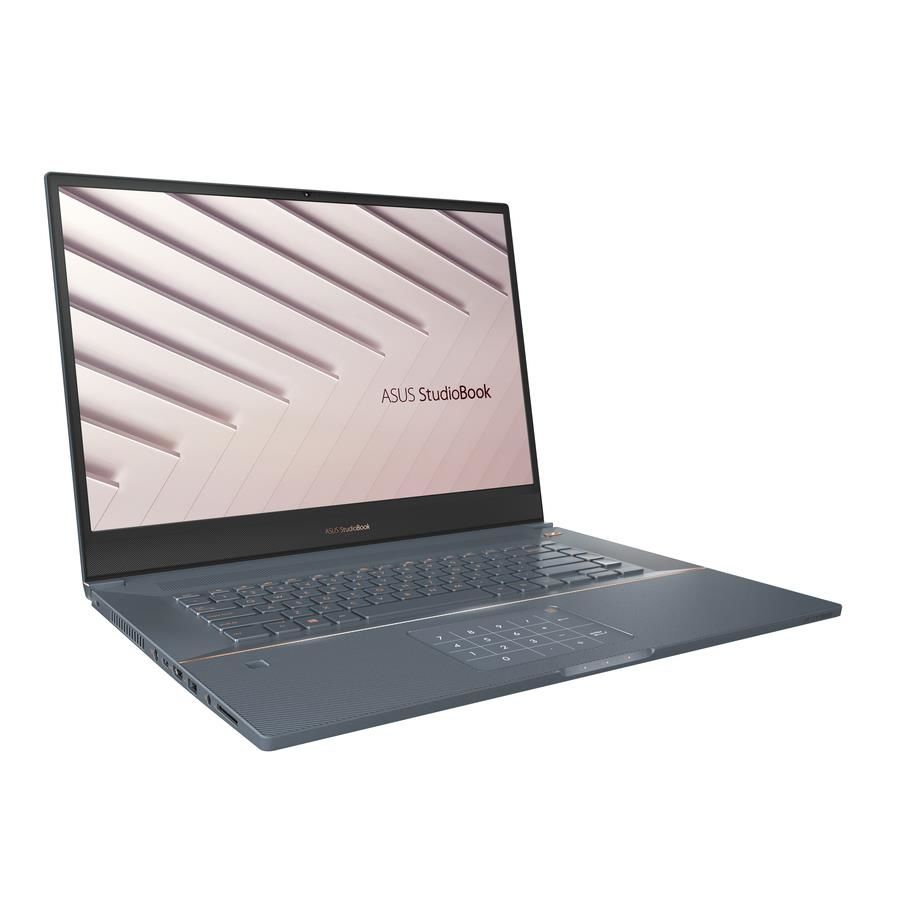
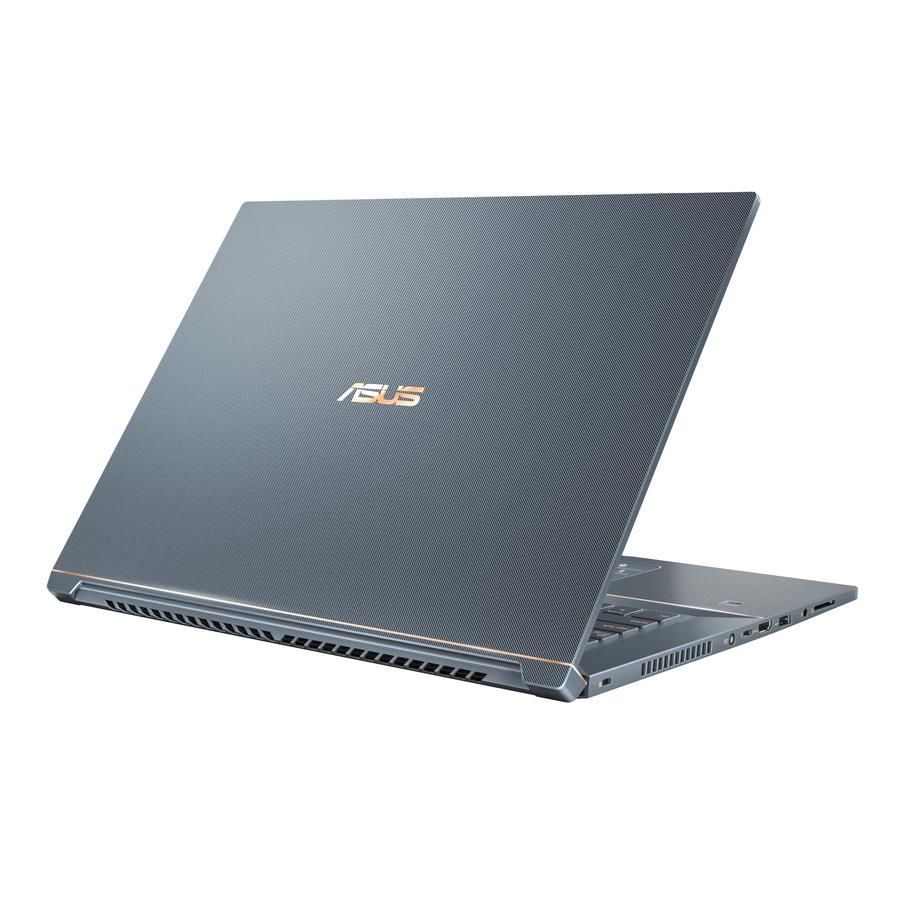
ASUS ProArt StudioBook Pro 17 W700G2T-AV020R workstation features DDR4-SDRAM memory upgrade capability. The machine contains 2x SO-DIMM slots supporting maximum RAM capacity of 64 GB. Compatible memory specifications include DDR4-SDRAM modules operating at 2666 MHz frequency. Specifications enable memory expansion through SO-DIMM form factor upgrades for enhanced multitasking and professional workload performance.
Memory Upgrade Specifications
| Specification | Value |
|---|---|
| Memory slots | 2x SO-DIMM |
| Form factor | SO-DIMM |
| Memory type | DDR4-SDRAM |
| Frequency | 2666 MHz |
| Maximum RAM | 64 GB |
| Voltage | 1.2V |
| Number of pins | 260-pin |
| Interface | PC4 |
| PC Speed Rating | PC4-2666 (PC4-21328) |
| Bandwidth | 21.3 GB/s |
| Laptop Release date | 23 September 2019 |
Additional Notes
- The ASUS ProArt StudioBook W700G2T-AV020R contains 2 SO-DIMM slots operating at 2666 MHz, which establishes a hard ceiling of 64 GB total capacity. Expansion beyond this limit requires motherboard replacement, making RAM the only upgradeable memory component with defined constraints.
- DDR4-2666 MHz frequency represents a generation-old standard relative to current DDR4 specifications (3200+ MHz common in newer workstations). Replacement modules must match this exact frequency; mixing 3200 MHz or faster DDR4 modules will force the system to downclock all memory to 2666 MHz, negating performance gains from newer modules.
- SO-DIMM form factor restricts module selection to laptop-grade components, which typically cost 15-25 percent more per gigabyte than desktop DDR4 equivalents. Sourcing compatible 32 GB SO-DIMM units at 2666 MHz may present availability challenges in current markets favoring higher-frequency modules.
- Dual-channel architecture (2 slots) means symmetrical population delivers optimal bandwidth. Installing a single module leaves the secondary channel inactive, reducing memory throughput by approximately 50 percent. Workloads involving large dataset processing, 3D rendering, or video editing will experience measurable latency penalties with asymmetrical configurations.
- The ProArt platform targets content creation workflows. At 64 GB maximum capacity, sustained work with 4K video timelines, large raster files, or complex CAD assemblies may approach memory saturation, forcing reliance on slower storage-based virtual memory despite upgrade completion.