ASUS ProArt StudioBook W700G2T-AV065R RAM upgrade specifications

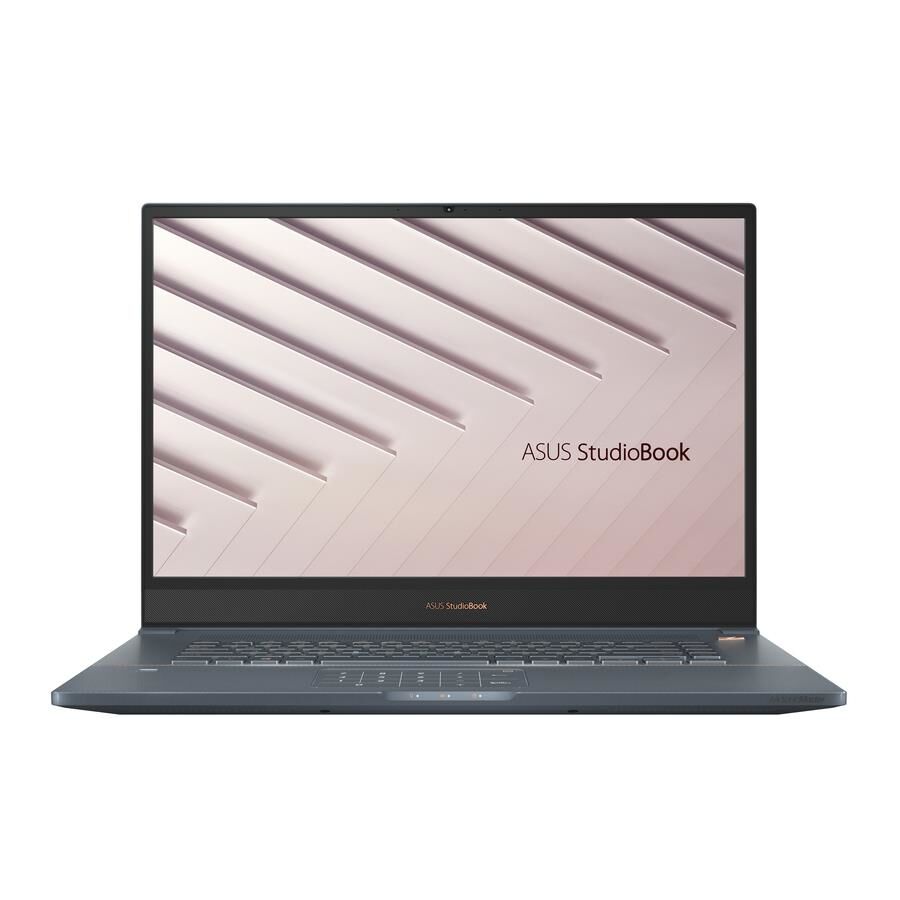
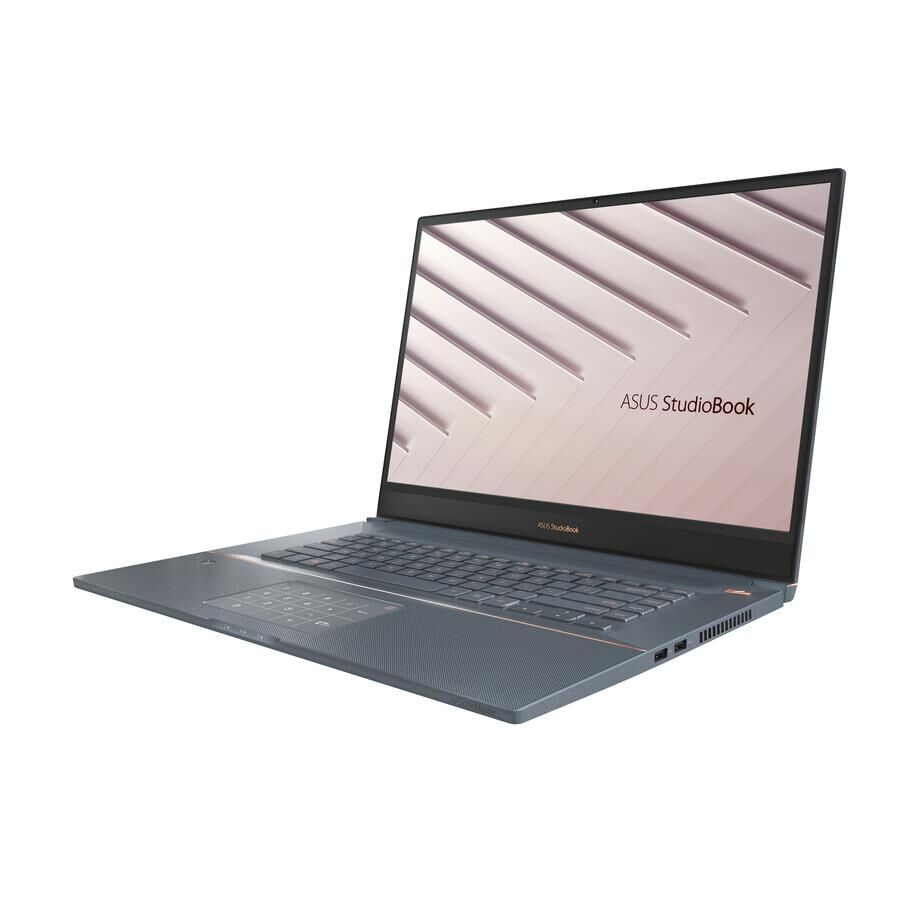

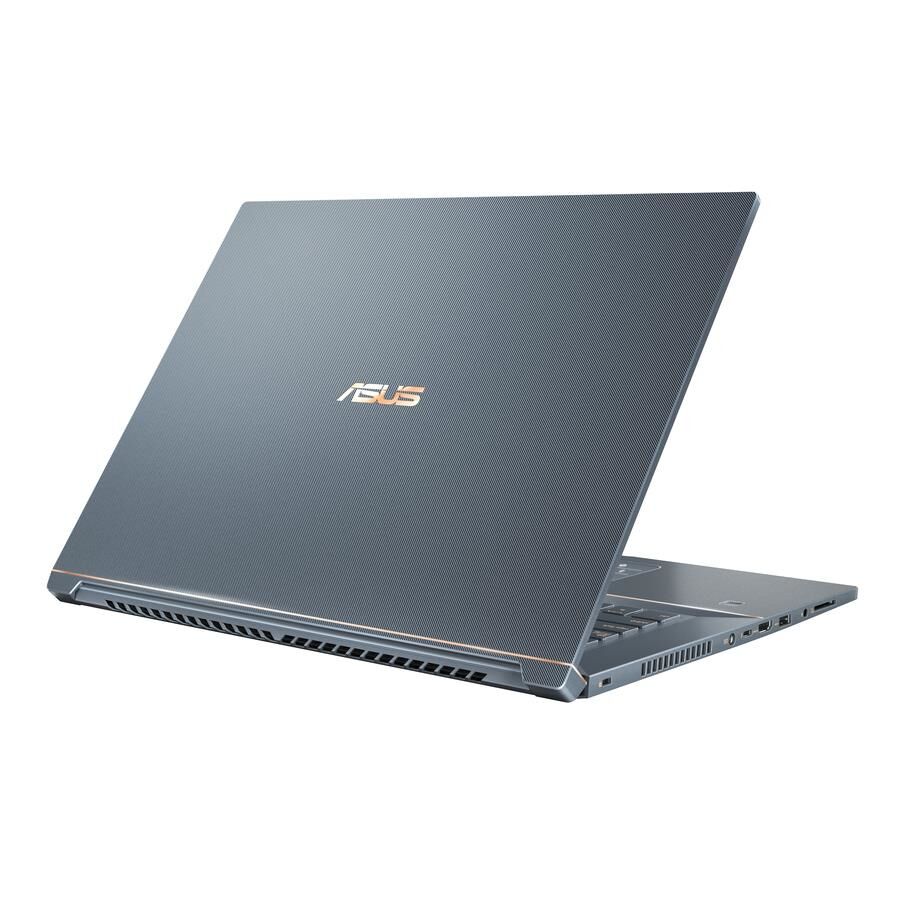
ASUS ProArt StudioBook Pro 17 W700G2T-AV065R supports DDR4-SDRAM memory upgrades with maximum capacity of 64 GB across 2x SO-DIMM slots. Compatible RAM operates at 2666 MHz frequency. Current specifications allow memory expansion through SO-DIMM form factor modules. Upgrade options enable enhanced multitasking and professional application performance for the W700G2T-AV065R mobile workstation.
Memory Upgrade Specifications
| Specification | Value |
|---|---|
| Memory slots | 2x SO-DIMM |
| Form factor | SO-DIMM |
| Memory type | DDR4-SDRAM |
| Frequency | 2666 MHz |
| Maximum RAM | 64 GB |
| Voltage | 1.2V |
| Number of pins | 260-pin |
| Interface | PC4 |
| PC Speed Rating | PC4-2666 (PC4-21328) |
| Bandwidth | 21.3 GB/s |
| Laptop Release date | 31 May 2020 |
Additional Notes
- The ASUS ProArt StudioBook W700G2T-AV065R limits memory expansion to 64 GB total capacity across both occupied slots, requiring a 32 GB module density if maximum capacity is needed.
- DDR4-2666 represents the validated frequency ceiling for this system, meaning higher-speed modules rated at 2933 MHz or 3200 MHz will downclock to 2666 MHz regardless of their native specifications.
- The SO-DIMM form factor restricts physical module dimensions to approximately 67.6 mm length compared to standard desktop DIMM modules, preventing use of full-size desktop memory regardless of electrical compatibility.
- Dual-channel memory architecture requires matched module specifications across both slots to achieve optimal bandwidth, with mismatched capacities or speeds forcing single-channel operation and reducing theoretical throughput by half.
- Memory upgrades preserve manufacturer warranty coverage as SO-DIMM slots feature tool-free access panels, unlike soldered configurations that void warranty upon any modification attempt.
- Mixing ECC and non-ECC SO-DIMM modules within this configuration creates incompatibility at POST, as workstation chipsets typically enforce uniform error correction capability across all installed memory.
- Operating voltage must remain at standard 1.2V DDR4 specification, as low-voltage 1.05V modules designed for ultraportables may cause initialization failures despite matching SO-DIMM physical dimensions.
- CAS latency variations between CL17, CL19, and CL22 modules operating at 2666 MHz produce measurable differences in memory-intensive workloads, with tighter timings reducing access latency by 2-3 nanoseconds per cycle.
- JEDEC-standard unbuffered modules maintain compatibility, while registered or load-reduced SO-DIMM variants designed for server applications will fail compatibility checks during system initialization.
- Thermal constraints within the chassis limit sustained memory performance during prolonged rendering or simulation tasks, as SO-DIMM modules lack dedicated heatspreaders found on enthusiast-grade desktop configurations.