ASUS ProArt StudioBook W700G3T RAM upgrade specifications
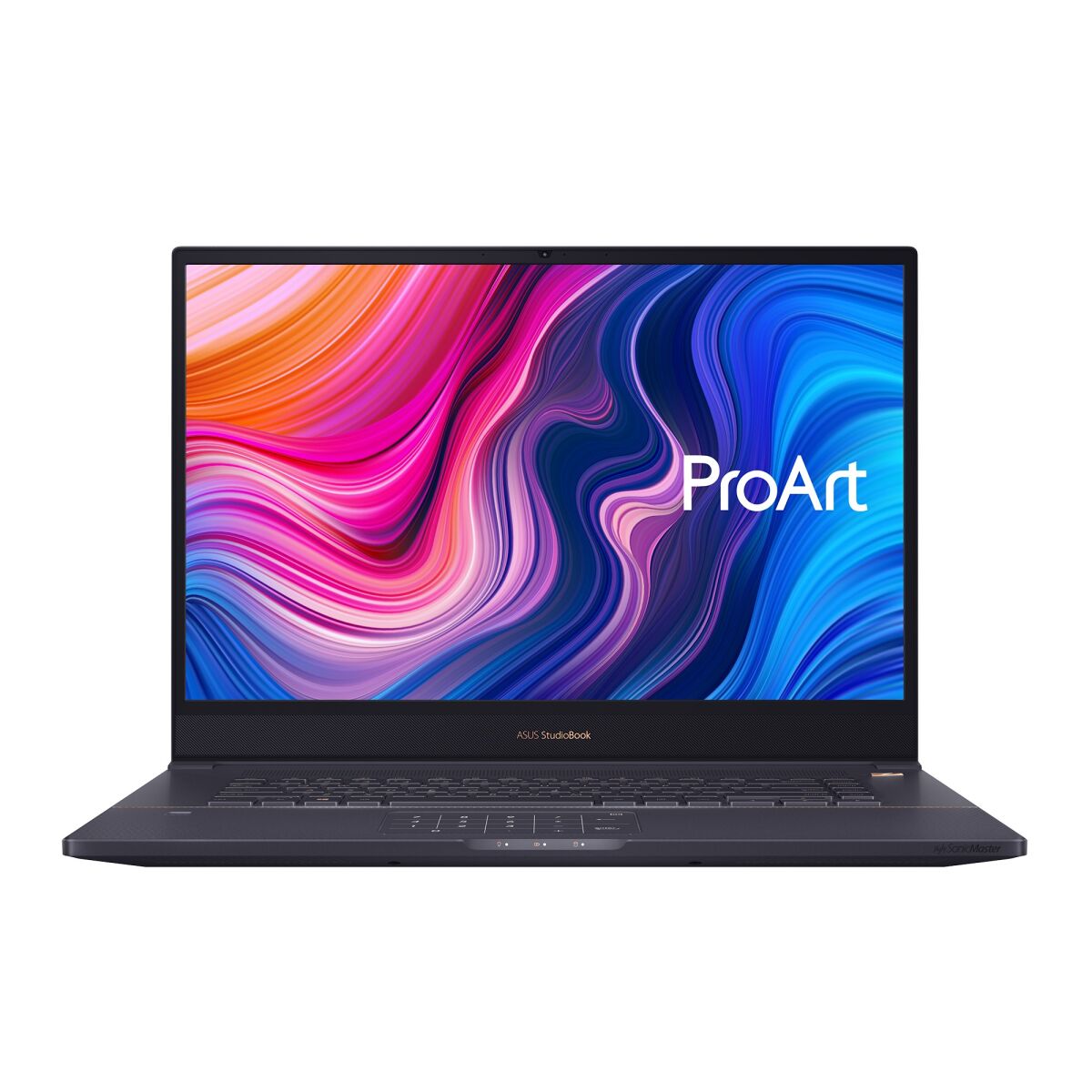
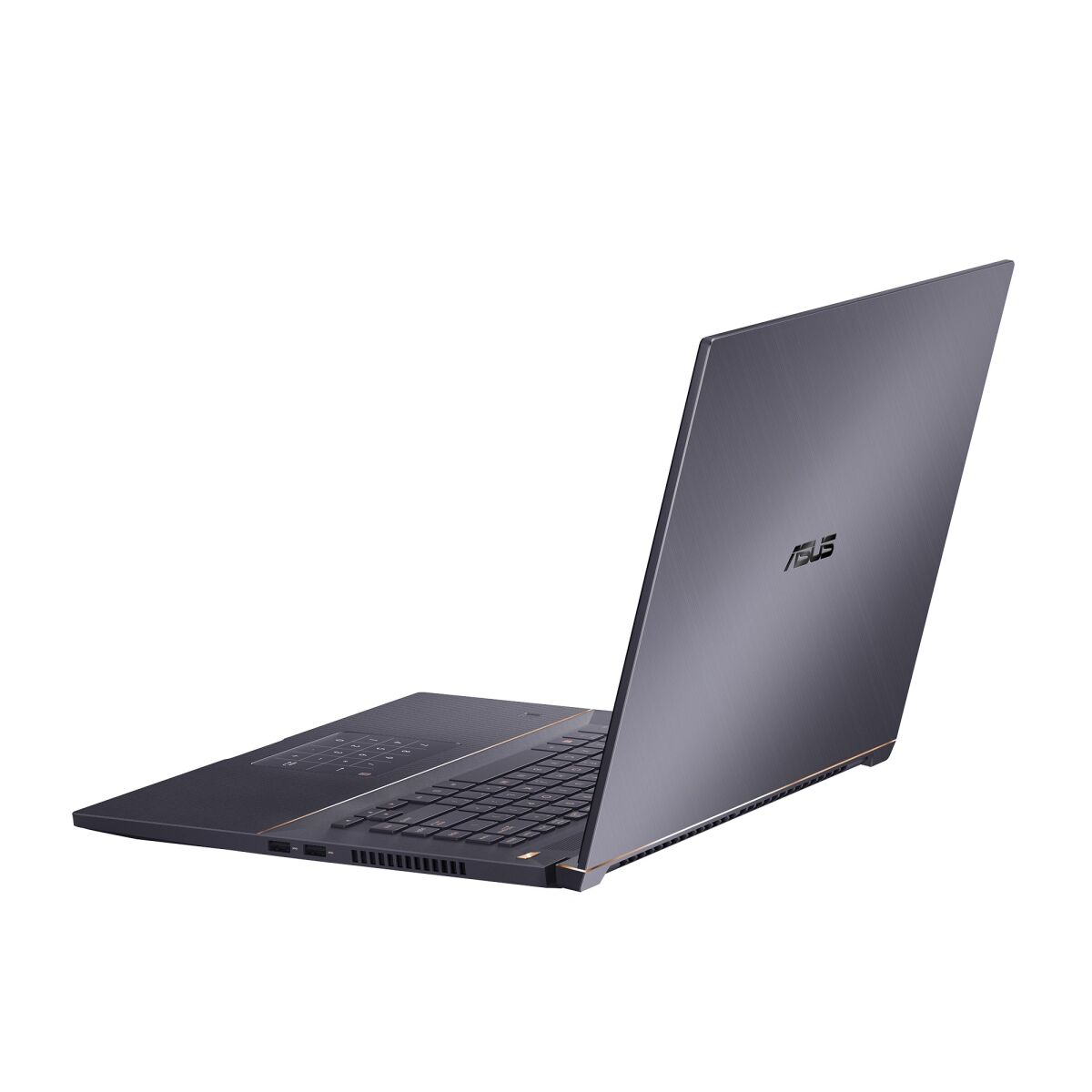
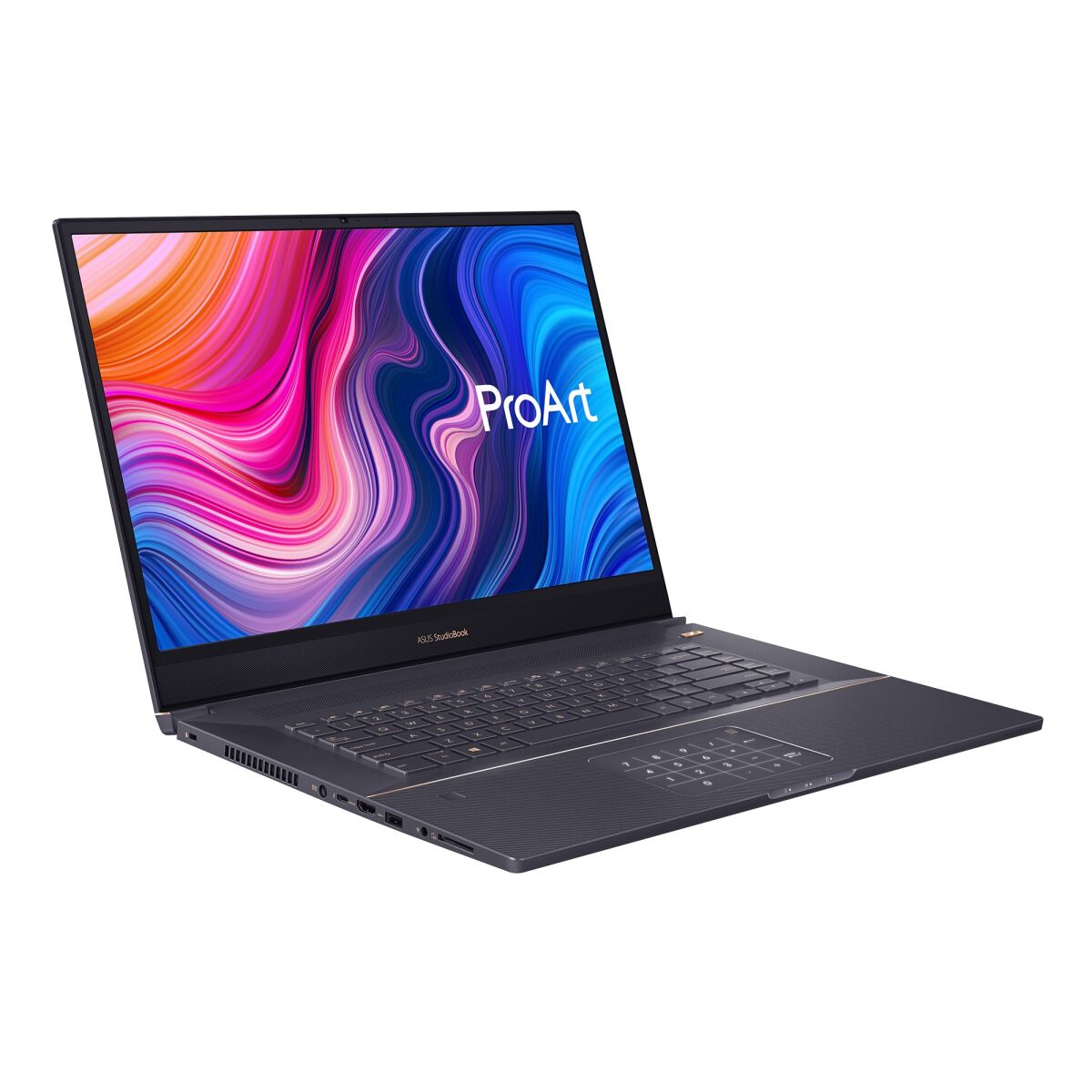

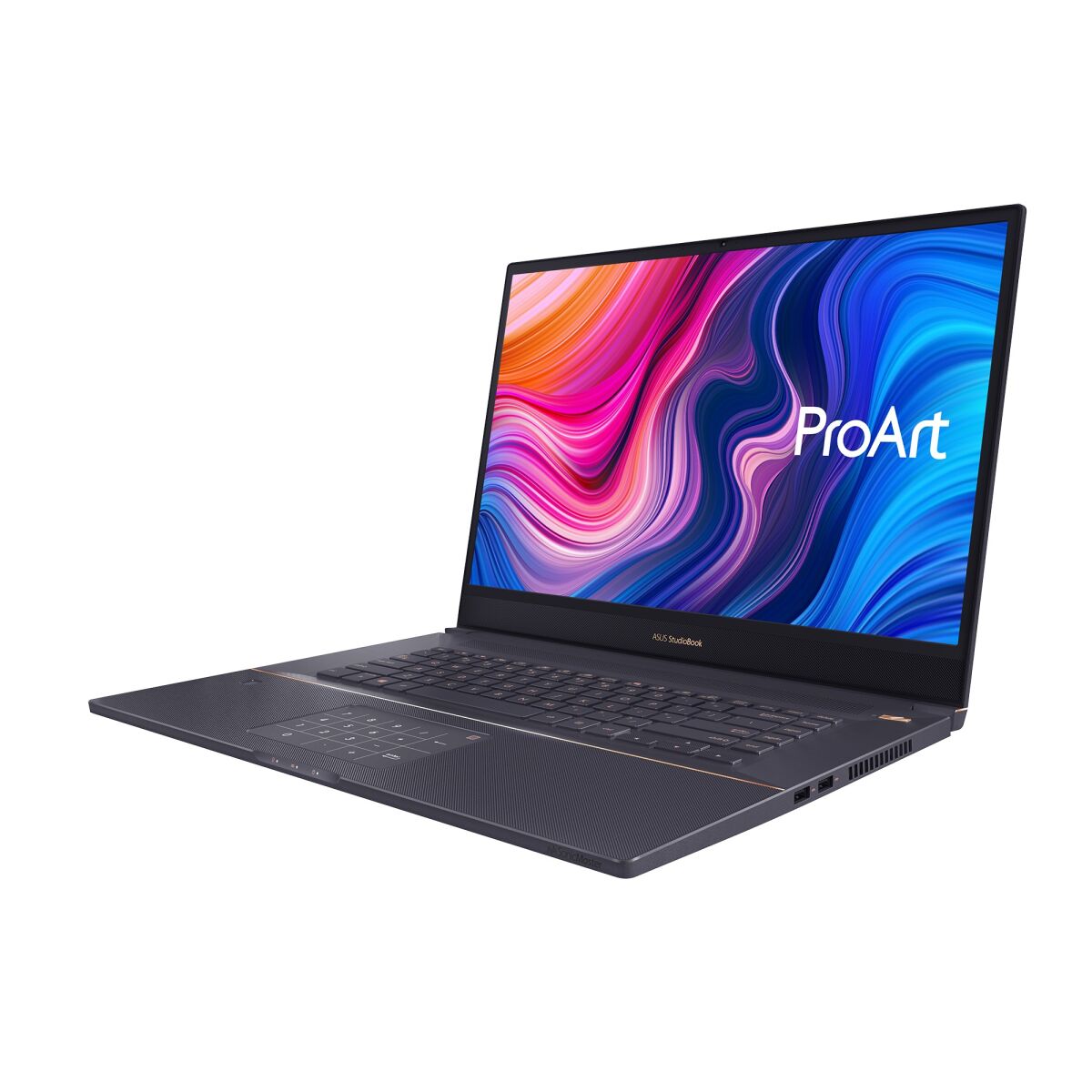
The ASUS ProArt StudioBook Pro 17 W700G3T supports DDR4-SDRAM memory upgrades with two SO-DIMM slots. Maximum RAM capacity reaches 64 GB, with compatible modules operating at 2666 MHz frequency. The SO-DIMM form factor specifications define upgrade compatibility for this mobile workstation. Current memory configurations and available slots determine maximum upgrade potential for the W700G3T model.
Memory Upgrade Specifications
| Specification | Value |
|---|---|
| Memory slots | 2x SO-DIMM |
| Form factor | SO-DIMM |
| Memory type | DDR4-SDRAM |
| Frequency | 2666 MHz |
| Maximum RAM | 64 GB |
| Voltage | 1.2V |
| Number of pins | 260-pin |
| Interface | PC4 |
| PC Speed Rating | PC4-2666 (PC4-21328) |
| Bandwidth | 21.3 GB/s |
| Laptop Release date | 13 November 2019 |
Additional Notes
- The presence of 2 SO-DIMM slots in the ASUS ProArt StudioBook W700G3T creates a hard limit for dual-channel memory configurations, requiring the replacement of existing modules rather than simple addition to reach peak capacity.
- The 64 GB maximum capacity suggests compatibility with high-density 32 GB modules, which often utilize dual-rank architecture and may impact memory controller latency compared to single-rank alternatives.
- Operating at a 2666 MHz frequency indicates that installing higher-rated modules like 3200 MHz will result in automatic downclocking to match the motherboard bus speed limitations.
- The DDR4-SDRAM specification implies a standard 1.2V power requirement, making low-voltage 1.35V overclocker modules potentially unstable or incompatible with the fixed bios voltage profiles.
- System throughput remains capped by the dual-channel architecture, meaning bandwidth-heavy rendering tasks will scale linearly up to 2 modules but will not benefit from further expansion once both slots are populated.
- Internal access for memory replacement necessitates the removal of the bottom chassis panel, which typically requires specialized Torx or Phillips precision drivers to avoid stripping the fasteners.
- The SO-DIMM form factor excludes the use of desktop-class DIMM modules or LPDDR4 memory, ensuring that all upgrades must adhere to the 260-pin physical interface standard.