ASUS ProArt StudioBook W700G3T-AV027R RAM upgrade specifications
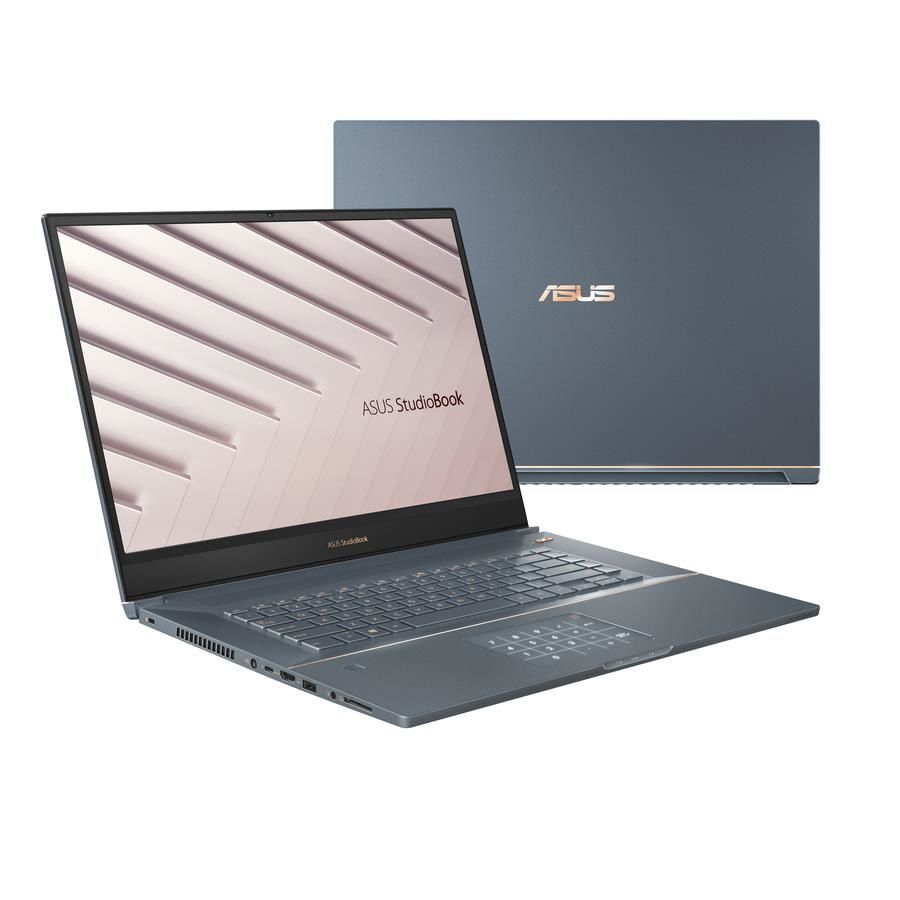
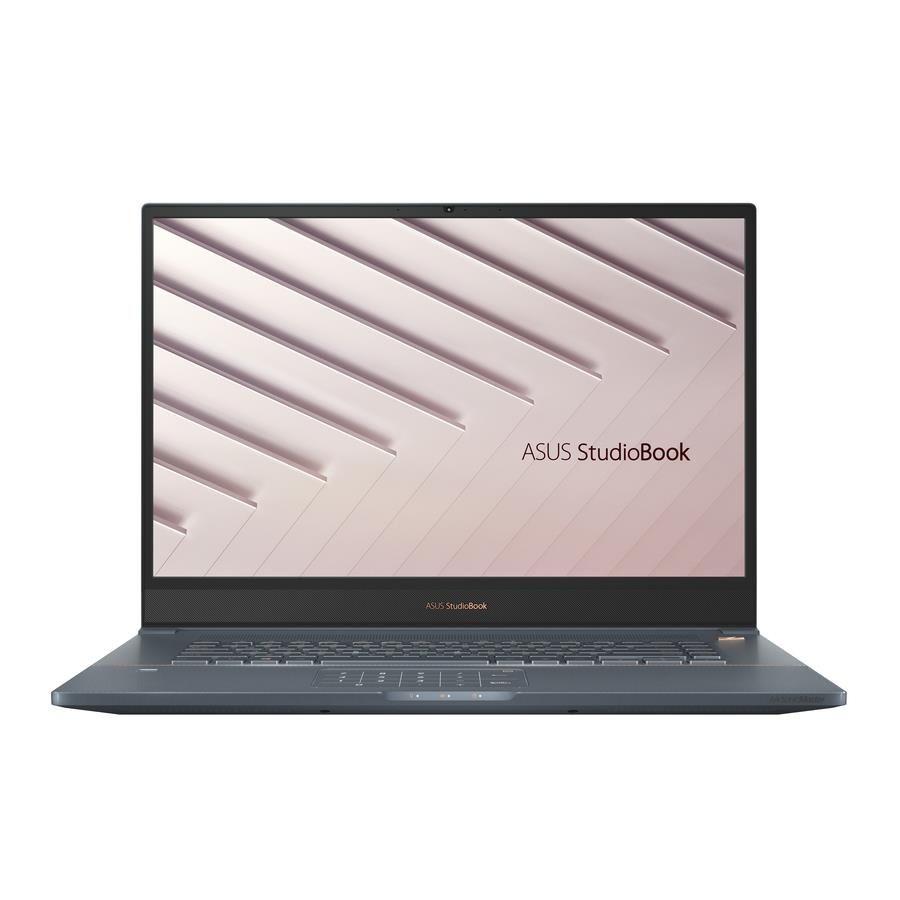
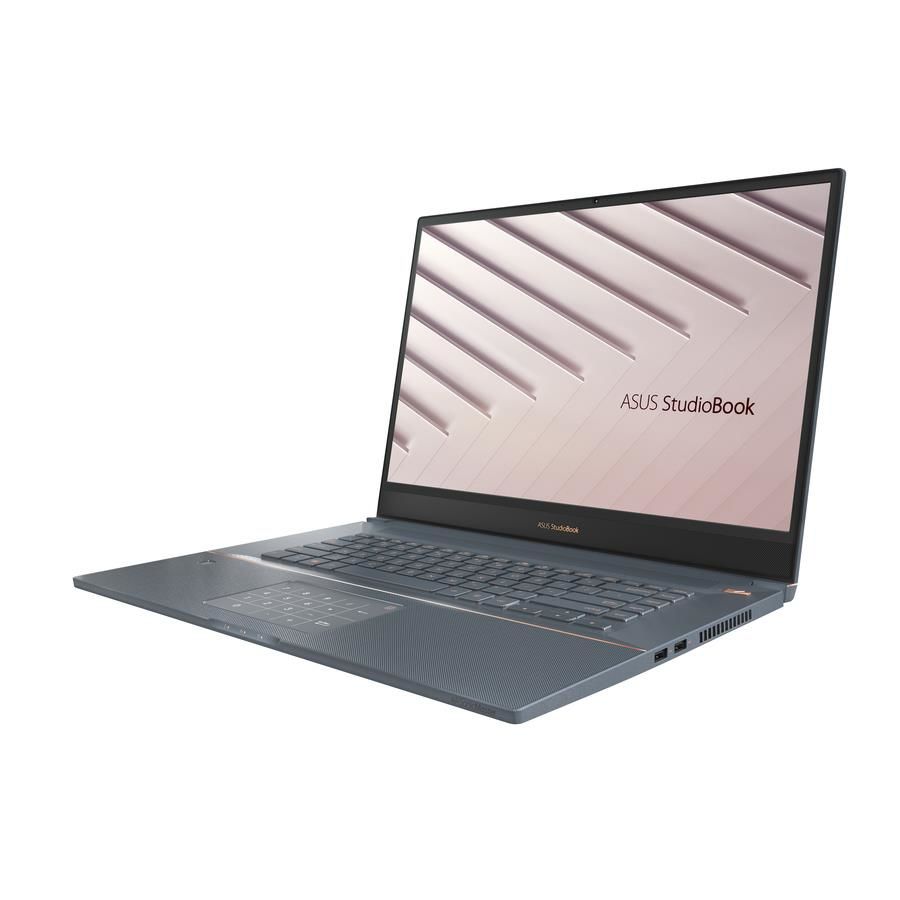
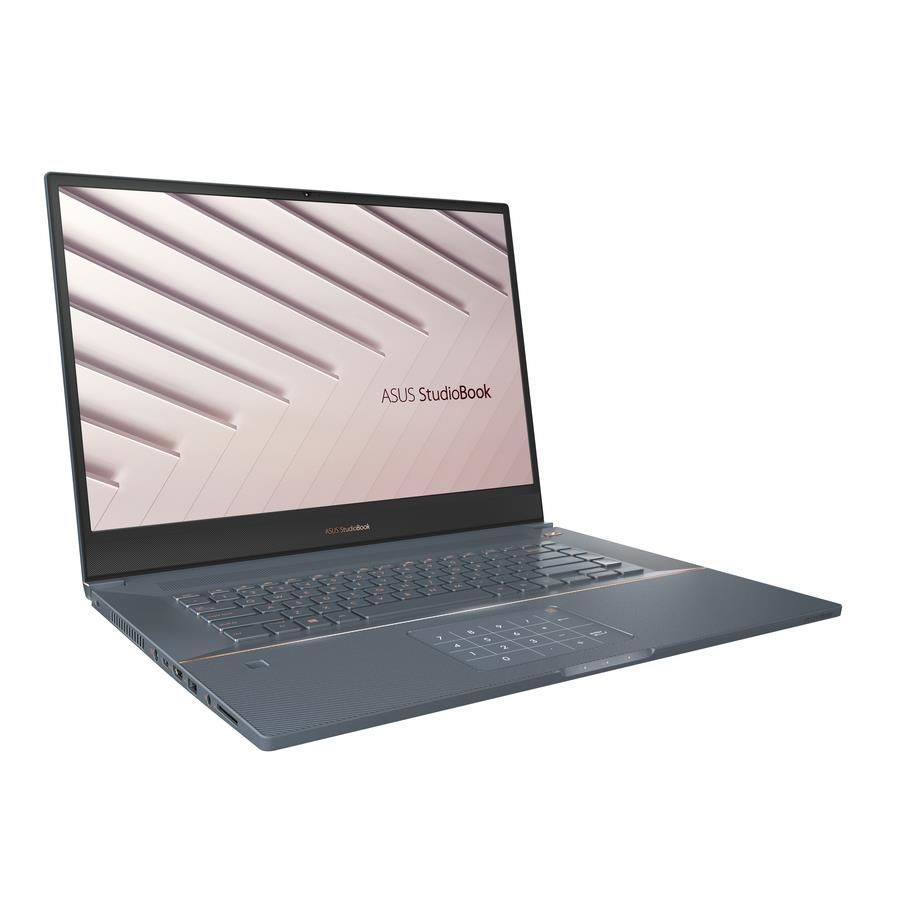
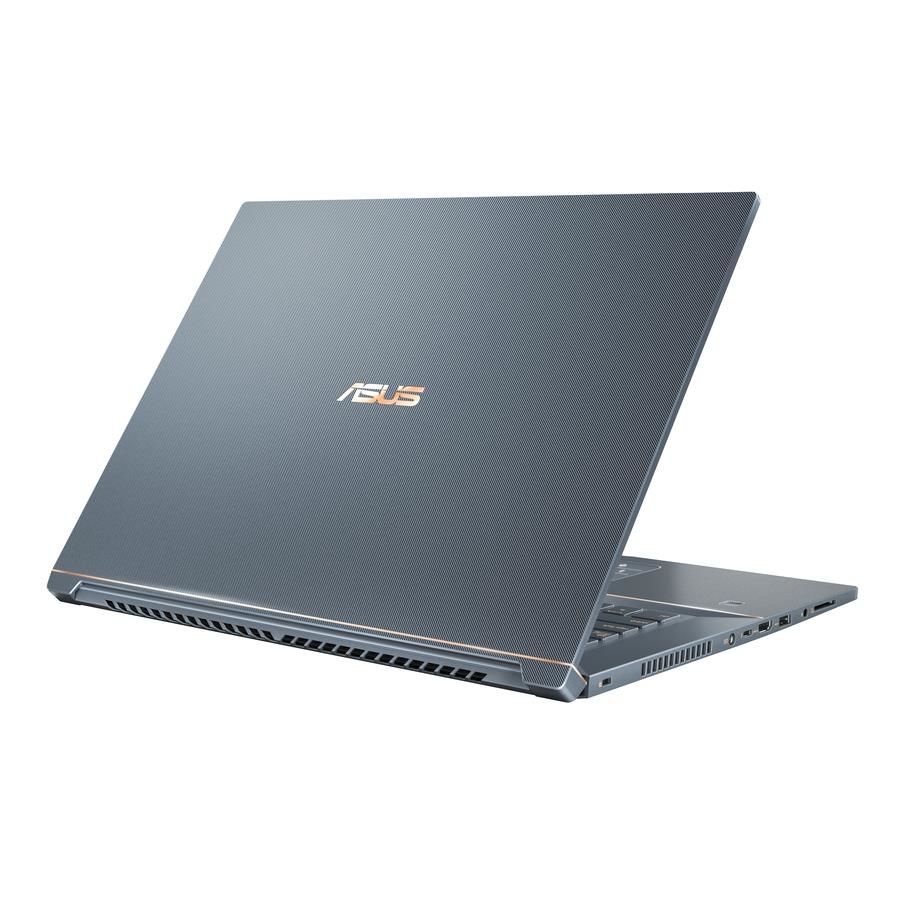
ASUS ProArt StudioBook Pro 17 W700G3T-AV027R compatible RAM upgrade specifications include DDR4-SDRAM memory utilizing 2x SO-DIMM slots. Maximum supported capacity reaches 64 GB total memory. Specifications indicate SO-DIMM form factor modules operating at 2666 MHz frequency. Compatible upgrades support standard DDR4 specifications for expanding system memory performance and multitasking capabilities on this mobile workstation.
Memory Upgrade Specifications
| Specification | Value |
|---|---|
| Memory slots | 2x SO-DIMM |
| Form factor | SO-DIMM |
| Memory type | DDR4-SDRAM |
| Frequency | 2666 MHz |
| Maximum RAM | 64 GB |
| Voltage | 1.2V |
| Number of pins | 260-pin |
| Interface | PC4 |
| PC Speed Rating | PC4-2666 (PC4-21328) |
| Bandwidth | 21.3 GB/s |
| Laptop Release date | 13 December 2019 |
Additional Notes
- The presence of 2 physical SO-DIMM slots implies that reaching the 64 GB maximum requires the removal of existing modules to install 2 32 GB sticks.
- Operating in a dual-channel configuration necessitates installing identical capacity and frequency modules to maximize memory bus bandwidth.
- Installing high-speed memory modules exceeding 2666 MHz results in automatic downclocking to the system bus limit, providing no additional performance overhead.
- The ASUS ProArt StudioBook W700G3T-AV027R utilizes a standard SO-DIMM form factor which allows for third-party hardware compatibility without proprietary connector restrictions.
- Latency performance depends on the CAS latency of the chosen modules, where lower values reduce the time required for the memory controller to access data.
- The maximum capacity limitation of 64 GB indicates the motherboard firmware cannot address higher-density 64 GB single sticks or 128 GB total configurations.
- Thermal dissipation within the chassis remains a factor when choosing high-performance memory modules since secondary cooling for RAM is not standard in mobile workstations.
- System stability during heavy rendering tasks relies on choosing modules that match the native 1.2V power requirement to avoid voltage-related hardware errors.