ASUS ProArt StudioBook W700G3T-AV030T-BE RAM upgrade specifications

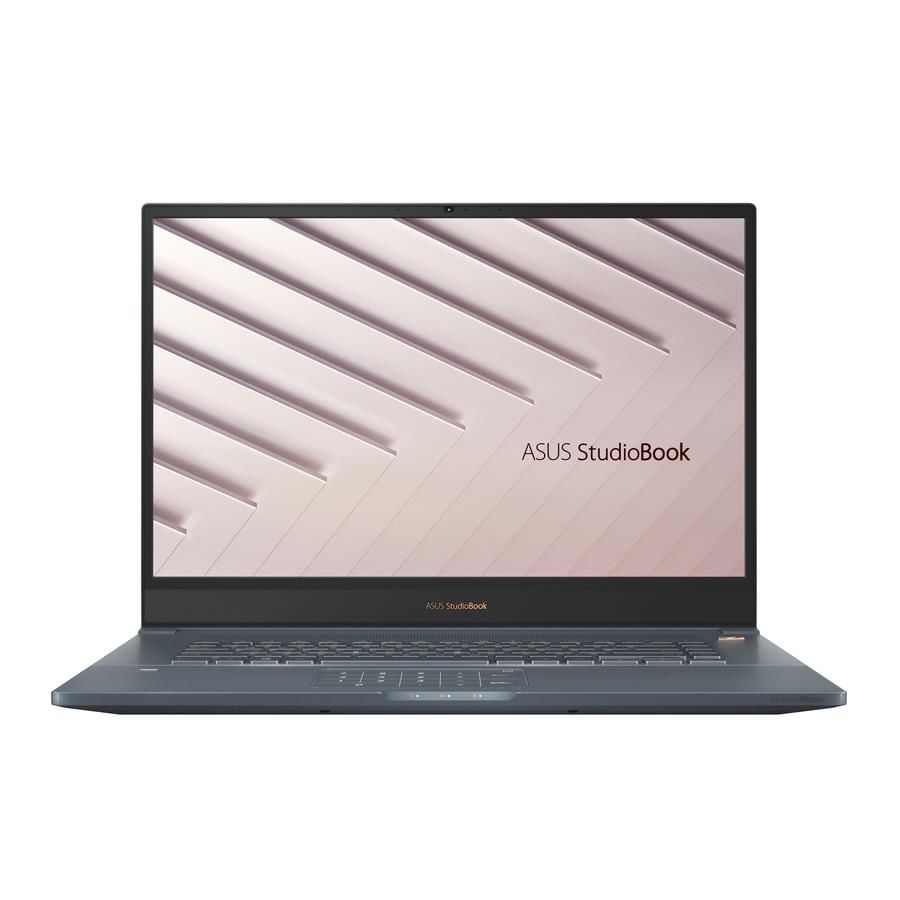
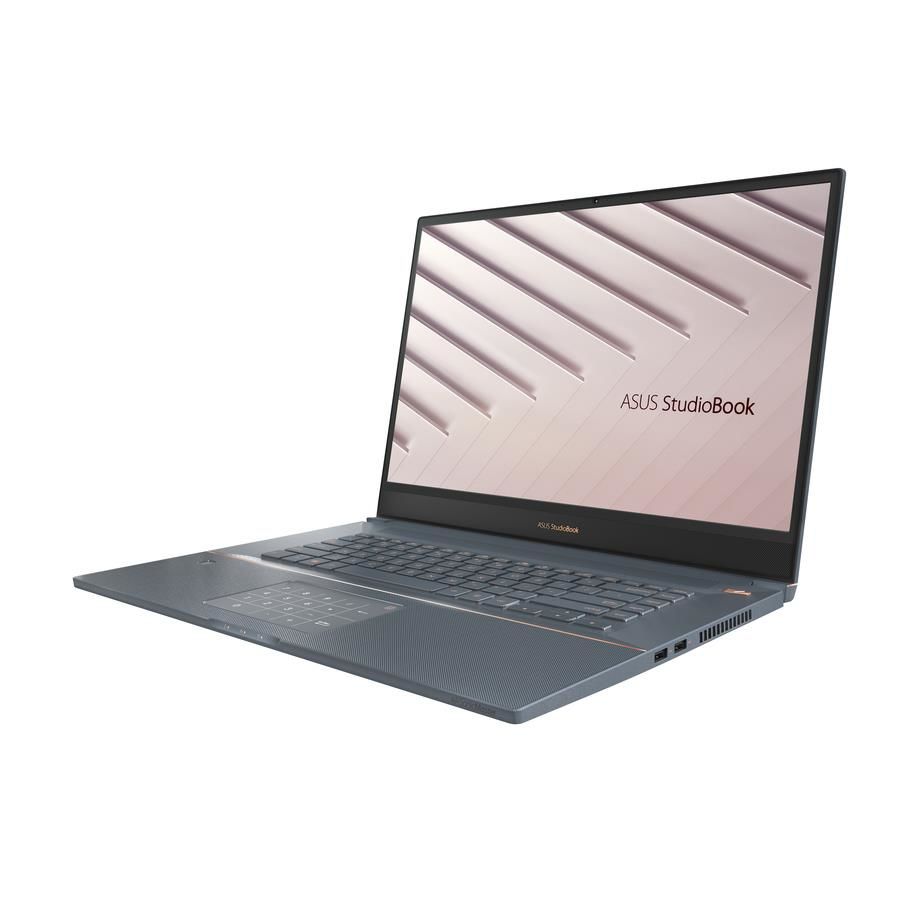

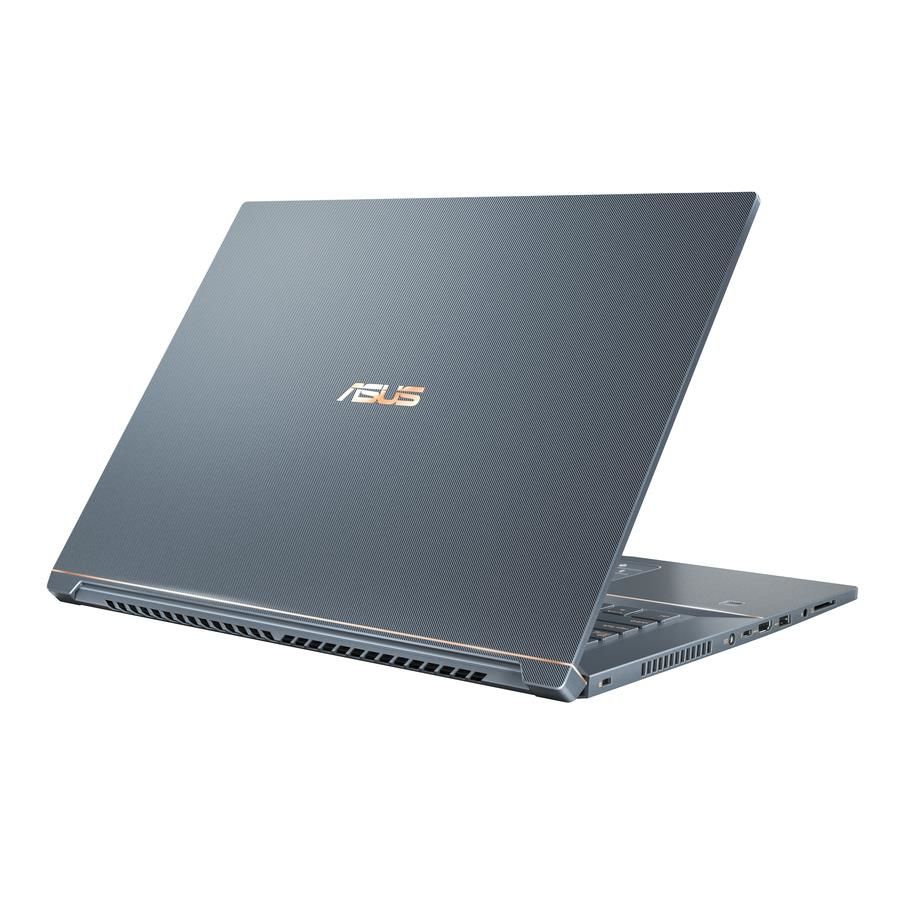
The ASUS ProArt StudioBook Pro 17 W700G3T-AV030T-BE features DDR4-SDRAM memory compatible with 2x SO-DIMM slots, supporting maximum RAM capacity of 64 GB. Memory specifications include 2666 MHz frequency and SO-DIMM form factor. Upgrade options allow for expanded memory capacity configurations up to 64 GB total, with individual slots accommodating compatible DDR4 modules. Standard memory upgrade procedures maintain compatibility with the ProArt StudioBook Pro 17 series specifications.
Memory Upgrade Specifications
| Specification | Value |
|---|---|
| Memory slots | 2x SO-DIMM |
| Form factor | SO-DIMM |
| Memory type | DDR4-SDRAM |
| Frequency | 2666 MHz |
| Maximum RAM | 64 GB |
| Voltage | 1.2V |
| Number of pins | 260-pin |
| Interface | PC4 |
| PC Speed Rating | PC4-2666 (PC4-21328) |
| Bandwidth | 21.3 GB/s |
| Laptop Release date | 19 September 2019 |
Additional Notes
- The ASUS ProArt StudioBook W700G3T-AV030T-BE utilizes standard notebook memory form factors, enabling compatibility with widely available SO-DIMM modules from major manufacturers.
- The 2666 MHz frequency specification indicates DDR4-2666 compliance, corresponding to PC4-21300 bandwidth rating of approximately 21.3 GB/s per module in single-channel operation.
- With dual-channel architecture across 2 slots, the theoretical aggregate memory bandwidth reaches approximately 42.6 GB/s when both slots contain matched modules.
- The 64 GB maximum capacity constraint allows configurations of 2x32 GB modules, requiring dual-rank SO-DIMMs with 16 Gbit density chips for full capacity utilization.
- Mixed module configurations pairing different capacities will operate but force the system into asymmetric dual-channel or flex mode, potentially reducing memory bandwidth efficiency.
- Installing modules rated above 2666 MHz remains physically compatible but will downclock to the supported frequency, providing no performance advantage over native-speed modules.
- Access to SO-DIMM slots in mobile workstation chassis typically requires bottom panel removal, with potential implications for user-serviceable warranties depending on regional regulations.
- Single-module configurations halve theoretical memory bandwidth to approximately 21.3 GB/s, creating potential bottlenecks in bandwidth-intensive professional applications such as 3D rendering or video encoding.
- DDR4 voltage standards at 1.2V reduce thermal output compared to legacy DDR3 configurations, though high-capacity dual-rank modules may generate elevated temperatures under sustained workloads.
- The 260-pin SO-DIMM specification differentiates these modules from desktop 288-pin DIMMs, preventing physical installation errors but limiting module selection to notebook-specific inventory.