ASUS ProArt StudioBook W700G3T-AV039R RAM upgrade specifications

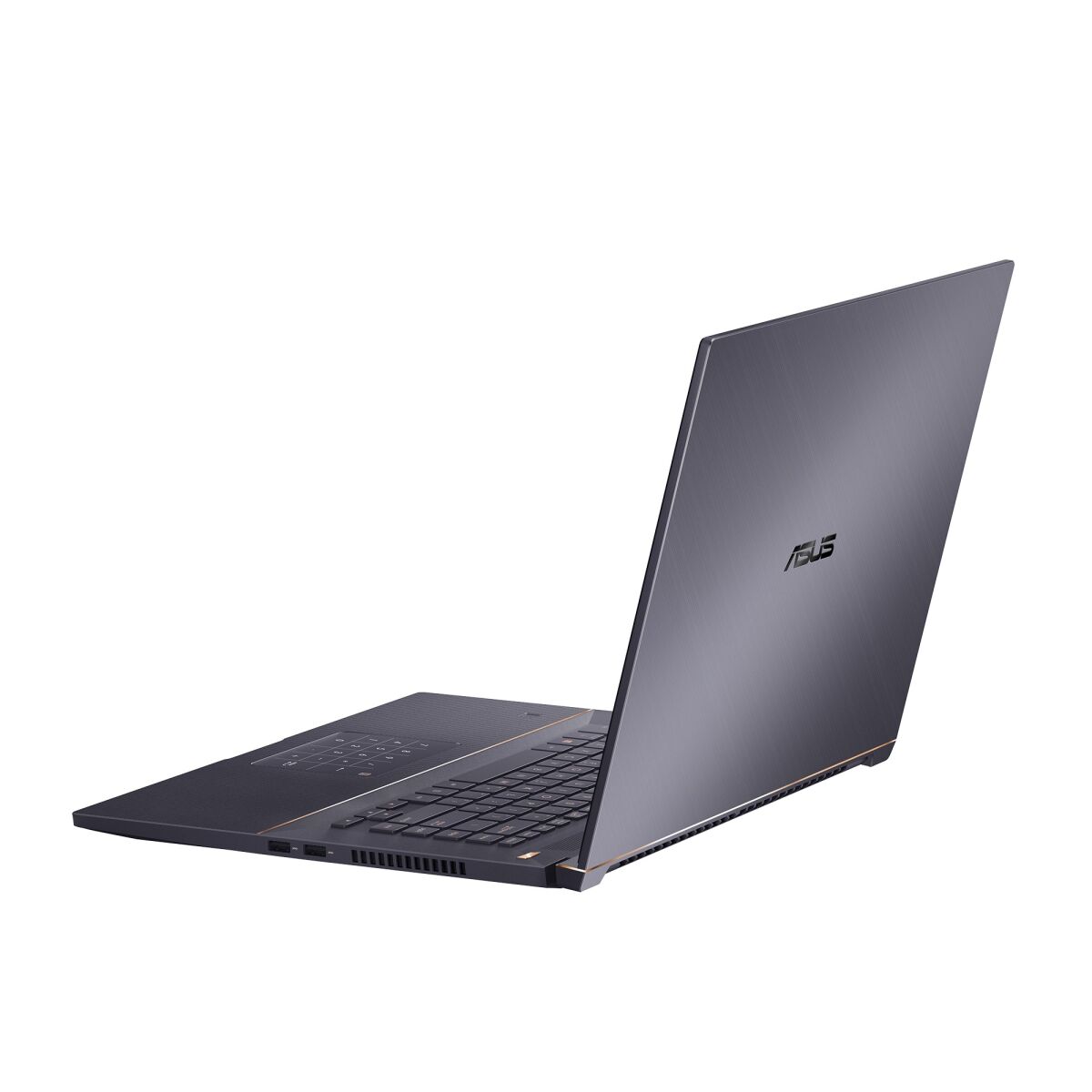
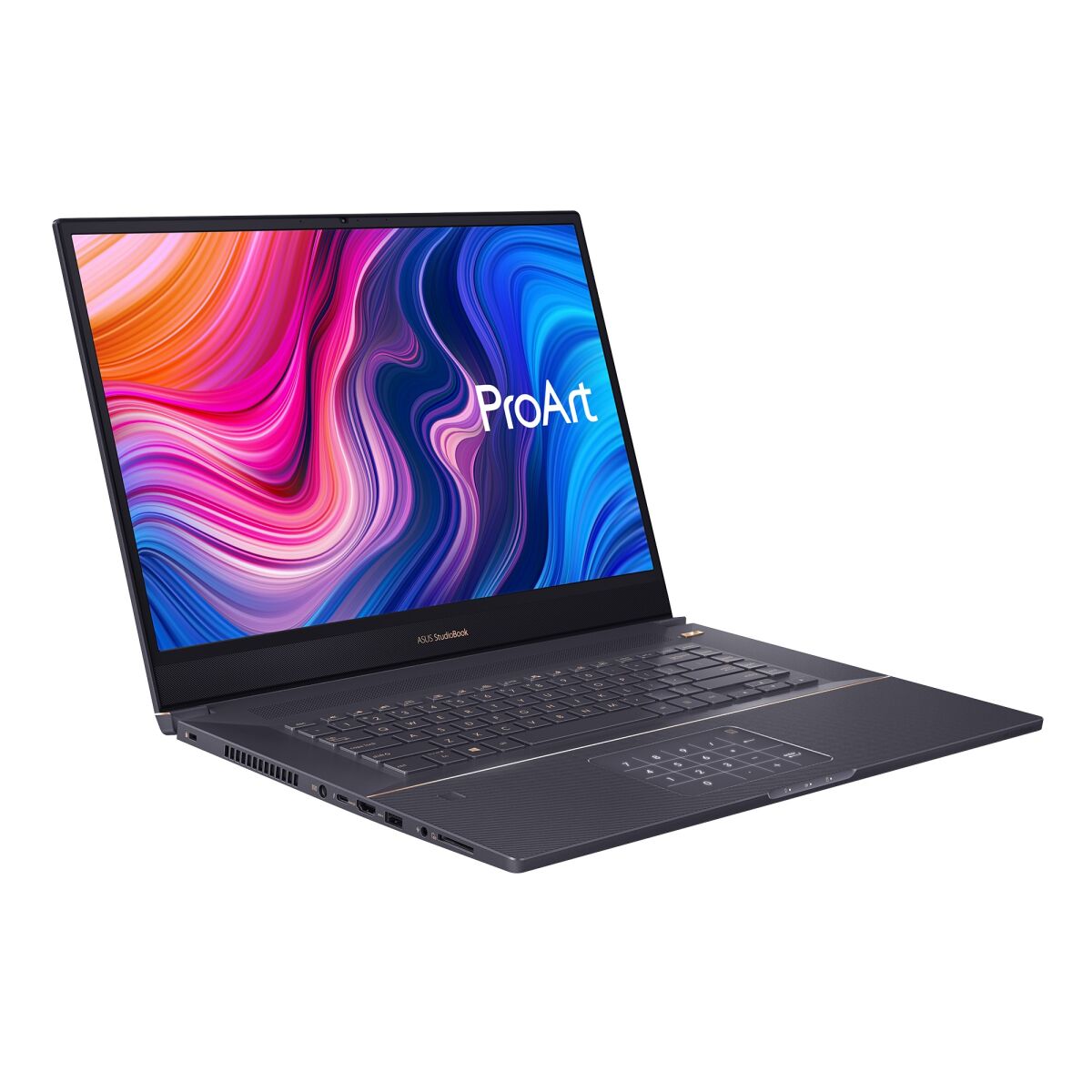


ASUS ProArt StudioBook Pro 17 W700G3T-AV039R workstation features DDR4-SDRAM memory upgrade capacity. Two SO-DIMM slots support maximum RAM capacity of 64 GB. Compatible memory specifications include DDR4-SDRAM operating at 2666 MHz frequency. The workstation's memory upgrade slots accommodate SO-DIMM form factor modules. Existing memory configuration compatible with specifications for ProArt StudioBook Pro 17 series upgrades.
Memory Upgrade Specifications
| Specification | Value |
|---|---|
| Memory slots | 2x SO-DIMM |
| Form factor | SO-DIMM |
| Memory type | DDR4-SDRAM |
| Frequency | 2666 MHz |
| Maximum RAM | 64 GB |
| Voltage | 1.2V |
| Number of pins | 260-pin |
| Interface | PC4 |
| PC Speed Rating | PC4-2666 (PC4-21328) |
| Bandwidth | 21.3 GB/s |
| Laptop Release date | 30 October 2019 |
Additional Notes
- The ASUS ProArt StudioBook W700G3T-AV039R contains 2 SO-DIMM slots, meaning both modules must be replaced simultaneously to reach the 64 GB maximum; adding a single module without removing the existing one will not function.
- DDR4-2666 MHz frequency represents the upper constraint for this system; modules rated above 2666 MHz will operate at 2666 MHz maximum, with no performance gain from higher-speed RAM.
- SO-DIMM form factor compatibility is exclusive to laptop installations; desktop DDR4 modules are physically incompatible and cannot be force-fitted due to notch positioning differences.
- Upgrading from factory configuration to 64 GB requires removing both original modules; most manufacturers void coverage only if internal components are damaged during extraction, not for memory replacement itself.
- The 2-slot architecture creates a bandwidth ceiling when running dual-channel configuration; single-channel operation (one module populated) reduces memory throughput by approximately 50 percent compared to symmetrical 2-module setups.
- DDR4-2666 latency characteristics introduce minor delays in high-frequency data transfer tasks; professional applications relying on rapid memory access patterns may experience marginal performance limitations versus systems equipped with DDR4-3200 or higher.
- 64 GB total capacity exceeds typical content creation workflows; configurations exceeding 32 GB offer diminishing returns unless the workload involves simultaneous 4K video editing, 3D rendering, or virtual machine hosting.