ASUS ProArt StudioBook W700G3T-AV035R RAM upgrade specifications

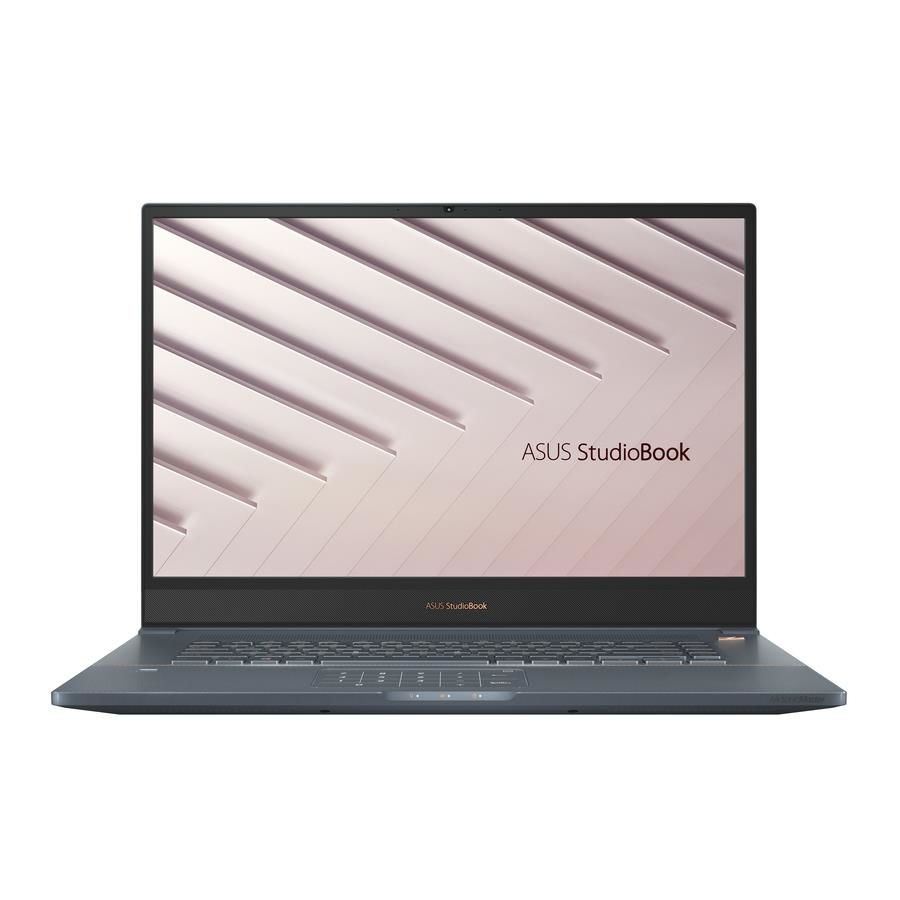
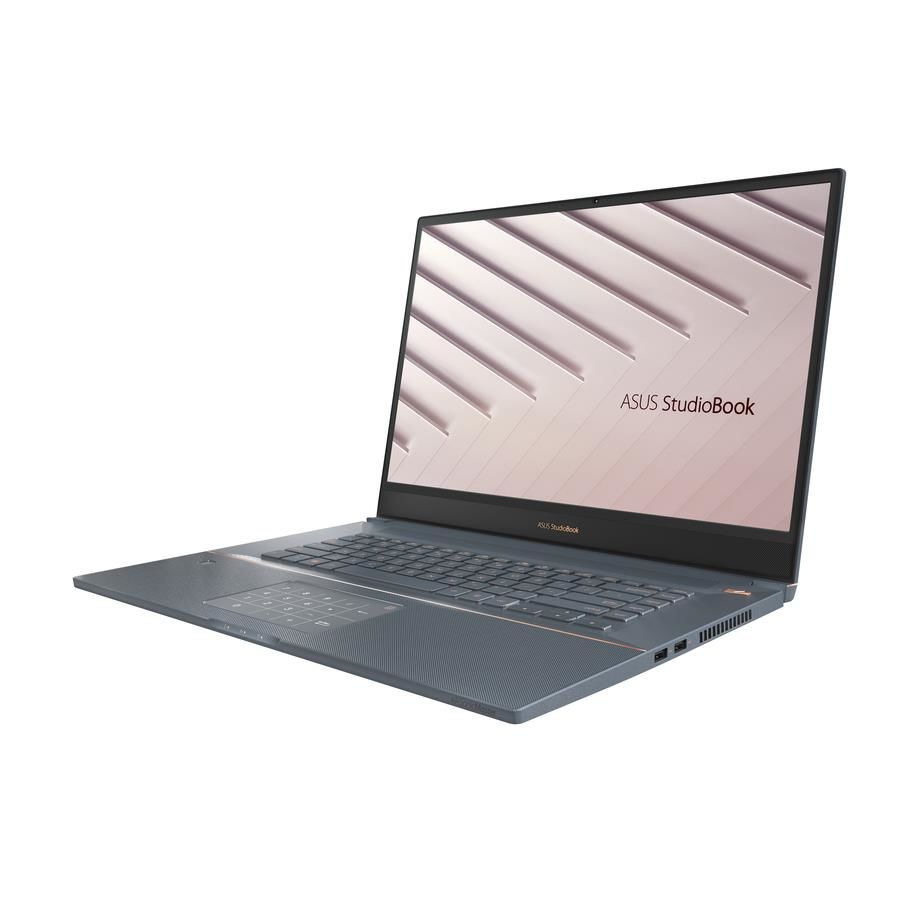

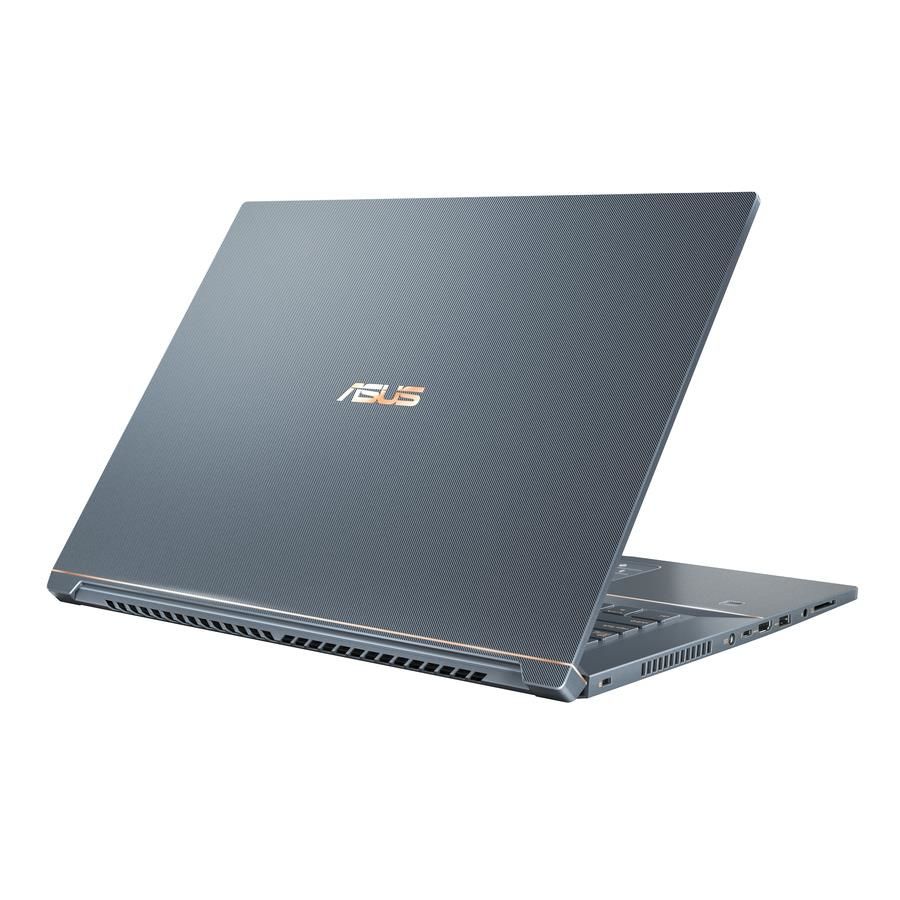
The ASUS ProArt StudioBook Pro 17 W700G3T-AV035R features DDR4-SDRAM memory upgrade capabilities with two SO-DIMM slots. The laptop supports maximum RAM capacity of 64 GB, compatible with DDR4 modules operating at 2666 MHz frequency. Memory upgrade specifications accommodate SO-DIMM form factor modules for enhanced performance and multitasking capacity on the workstation-class mobile system.
Memory Upgrade Specifications
| Specification | Value |
|---|---|
| Memory slots | 2x SO-DIMM |
| Form factor | SO-DIMM |
| Memory type | DDR4-SDRAM |
| Frequency | 2666 MHz |
| Maximum RAM | 64 GB |
| Voltage | 1.2V |
| Number of pins | 260-pin |
| Interface | PC4 |
| PC Speed Rating | PC4-2666 (PC4-21328) |
| Bandwidth | 21.3 GB/s |
| Laptop Release date | 21 September 2019 |
Additional Notes
- The 2666 MHz frequency ceiling prevents leveraging faster DDR4 modules rated at 3200 MHz or higher, as the memory controller will downclock them to the supported speed.
- The 64 GB maximum capacity indicates chipset-level addressing limitations that cannot be circumvented through BIOS updates or firmware modifications.
- SO-DIMM form factor compatibility restricts module selection to laptop-specific components, eliminating the cost advantages and wider availability of desktop DIMM variants.
- Dual-slot configuration enables immediate channel interleaving when populated with matched pairs, delivering theoretical bandwidth improvements over single-module installations.
- DDR4-SDRAM architecture operates at lower voltages than DDR3 predecessors, reducing thermal output in the confined chassis of the ASUS ProArt StudioBook W700G3T-AV035R during sustained memory-intensive operations.
- Non-ECC unbuffered modules maintain compatibility, while registered or error-correcting variants designed for server platforms will likely fail POST diagnostics.
- Access to both slots may require complete bottom panel removal rather than through a dedicated service door, extending upgrade duration and necessitating proper anti-static precautions.
- Mixed-capacity configurations remain functional but sacrifice the performance benefits of symmetric dual-channel operation when modules differ in density.
- The 2666 MHz specification aligns with JEDEC standard timing profiles, reducing the likelihood of stability issues compared to overclocked XMP-dependent configurations.
- Single-rank versus dual-rank module topology affects memory controller load characteristics, with quad-rank total configurations potentially introducing minor latency penalties on certain workloads.