ASUS ProArt StudioBook W700G3T-79DQ3CP2 RAM upgrade specifications

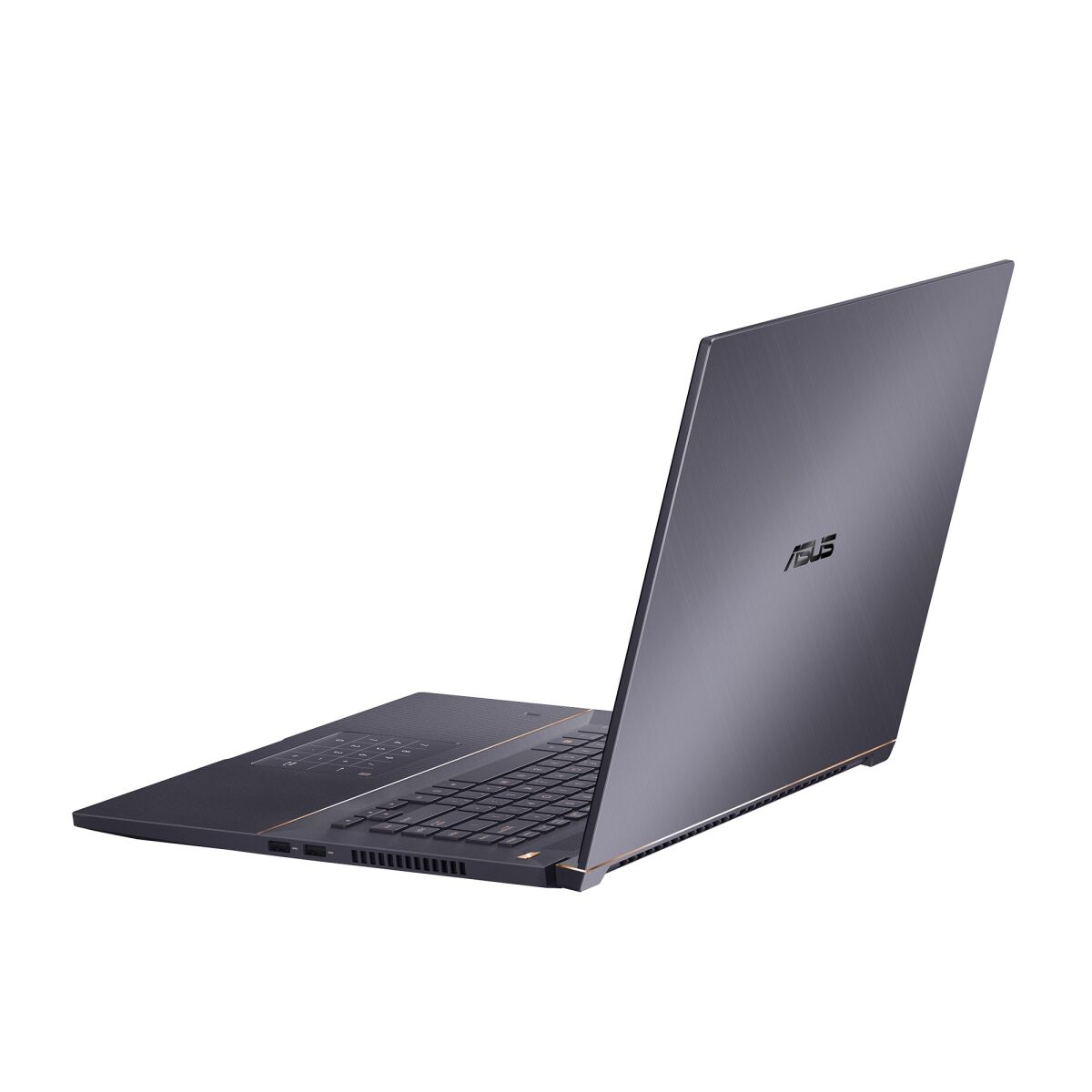



ASUS ProArt StudioBook Pro 17 W700G3T-79DQ3CP2 workstation features DDR4-SDRAM memory upgrade specifications with two SO-DIMM slots supporting maximum RAM capacity of 64 GB. Compatible memory operates at 2666 MHz frequency. Upgrade slots accommodate SO-DIMM form factor modules. Specifications enable memory expansion for enhanced multitasking and professional workload performance on the mobile workstation platform.
Memory Upgrade Specifications
| Specification | Value |
|---|---|
| Memory slots | 2x SO-DIMM |
| Form factor | SO-DIMM |
| Memory type | DDR4-SDRAM |
| Frequency | 2666 MHz |
| Maximum RAM | 64 GB |
| Voltage | 1.2V |
| Number of pins | 260-pin |
| Interface | PC4 |
| PC Speed Rating | PC4-2666 (PC4-21328) |
| Bandwidth | 21.3 GB/s |
| Laptop Release date | 11 January 2020 |
Additional Notes
- The ASUS ProArt StudioBook W700G3T-79DQ3CP2 architecture limits peak memory bandwidth to 42.7 GB/s in dual-channel configuration, potentially constraining professional workloads involving large dataset manipulation or real-time rendering.
- The 64 GB ceiling requires 32 GB modules in both slots, eliminating incremental upgrade flexibility and forcing replacement of existing modules rather than capacity addition.
- SO-DIMM slot accessibility typically requires bottom panel removal and motherboard access, with cable detachment risks that may affect manufacturer service agreements if component damage occurs during installation.
- DDR4-2666 specification indicates JEDEC standard voltage operation at 1.2V, ensuring thermal compatibility with mobile cooling solutions but preventing higher-frequency XMP profile utilization.
- Dual-slot population mandates matched module pairing for optimal interleaved memory access, as mismatched densities or timings degrade to single-channel performance with halved throughput.
- The 2666 MHz operating frequency introduces 15 nanosecond cycle latency before CAS delays, affecting memory-sensitive computational tasks where access patterns exceed L3 cache capacity.
- Module height restrictions inherent to mobile workstation chassis design require low-profile SO-DIMM variants, as standard-height modules may interfere with keyboard assemblies or thermal solutions.
- Non-ECC memory architecture prioritizes cost efficiency over error correction, making the platform unsuitable for mission-critical computational work requiring bit-level data integrity verification.