ASUS ROG G513QR-HF035T RAM upgrade specifications
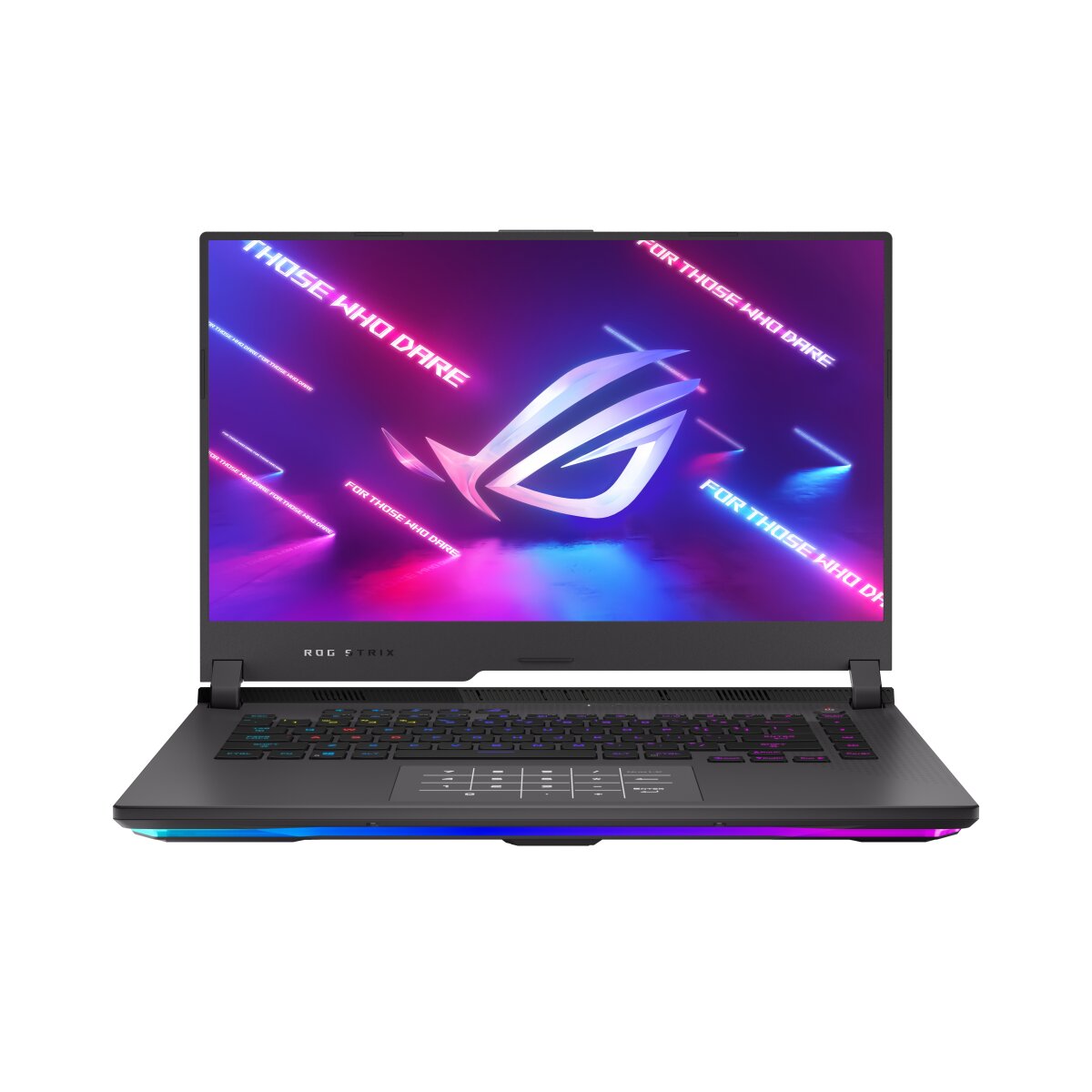
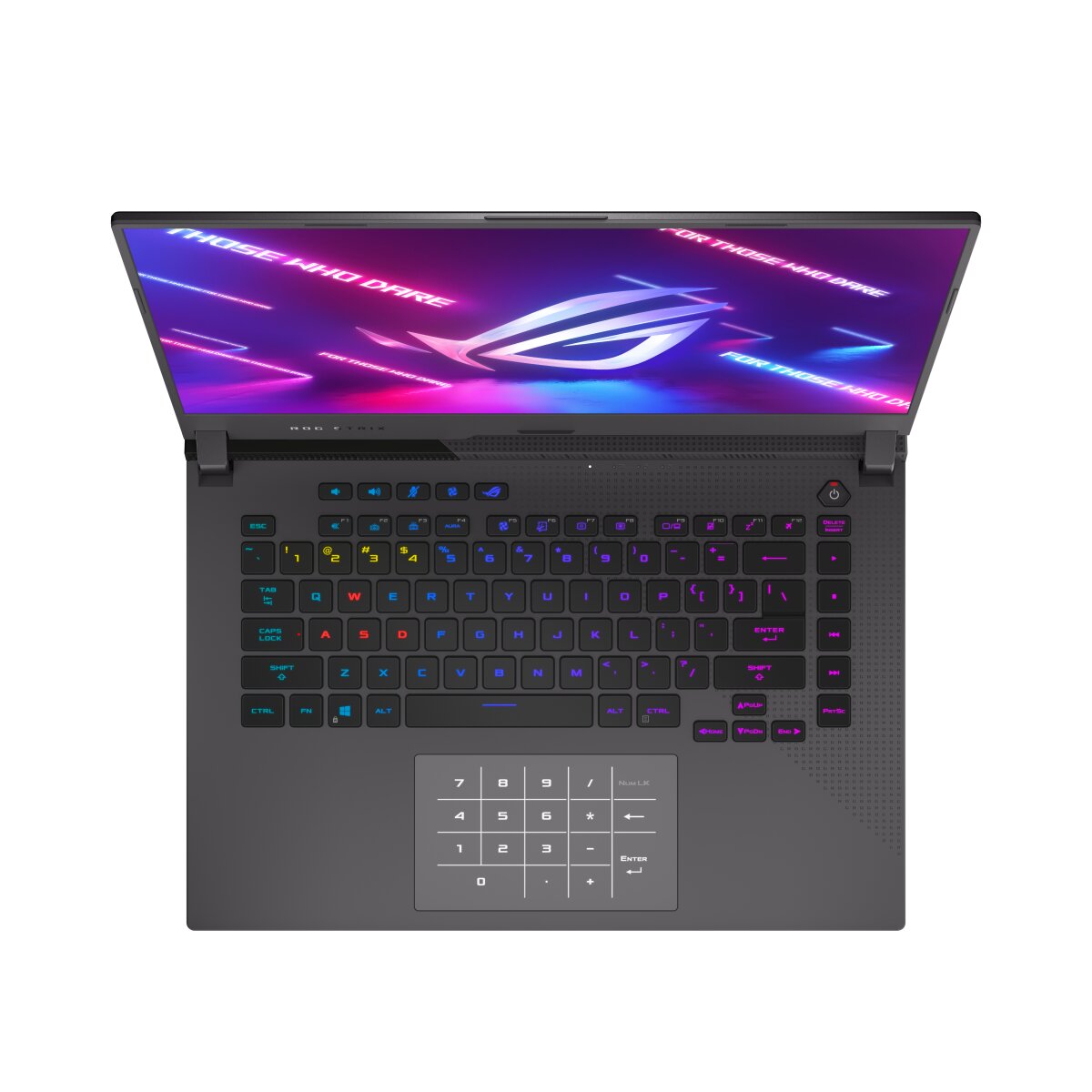
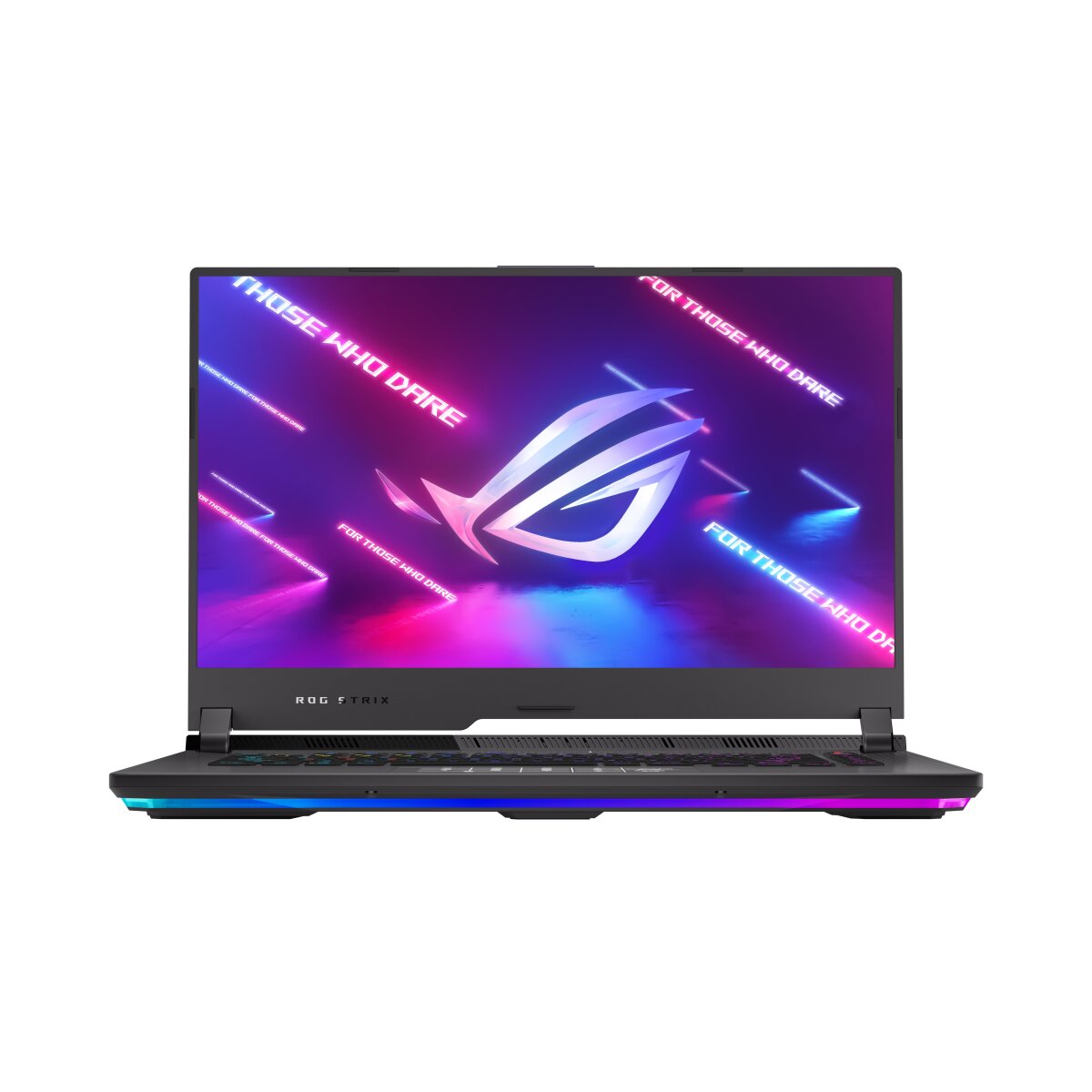
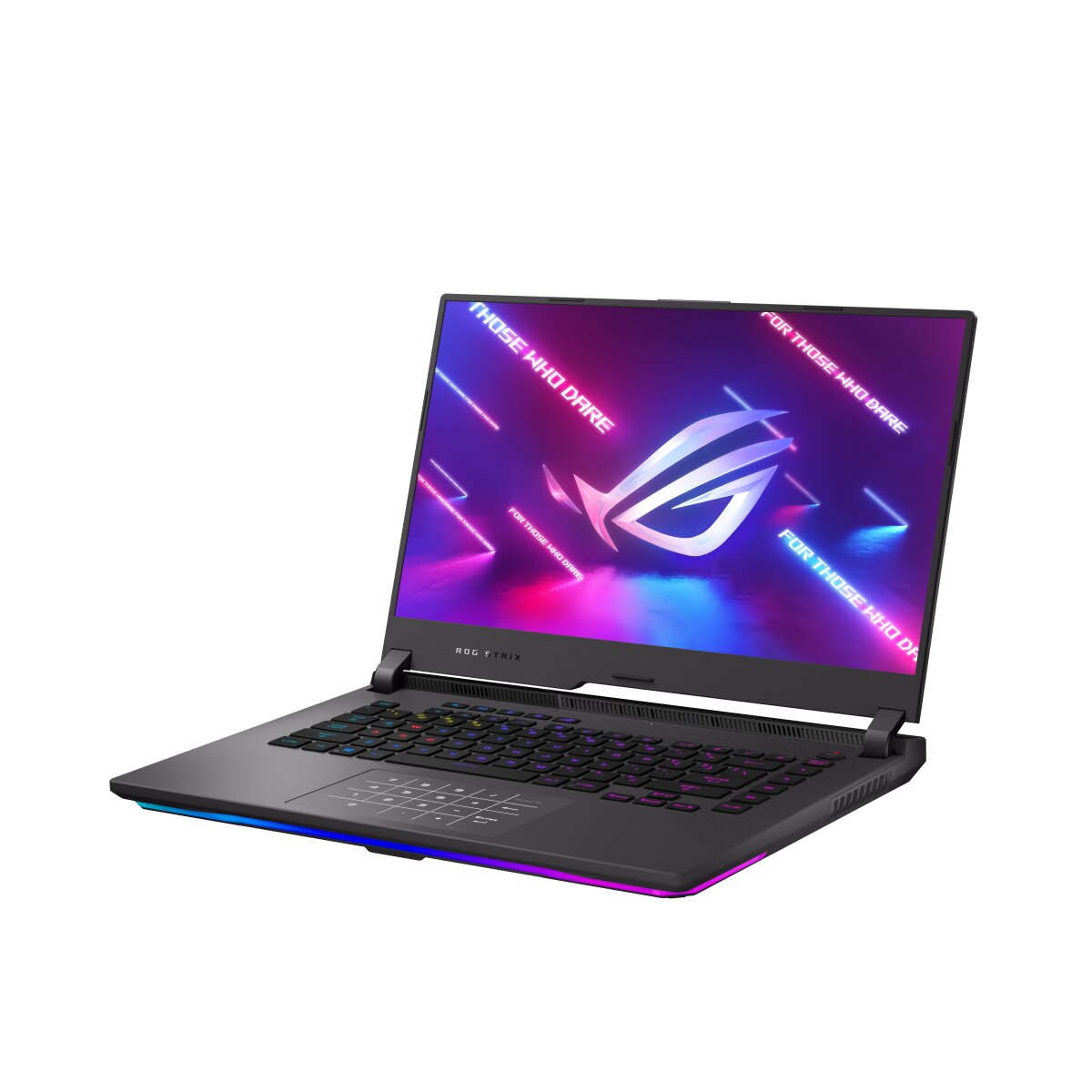
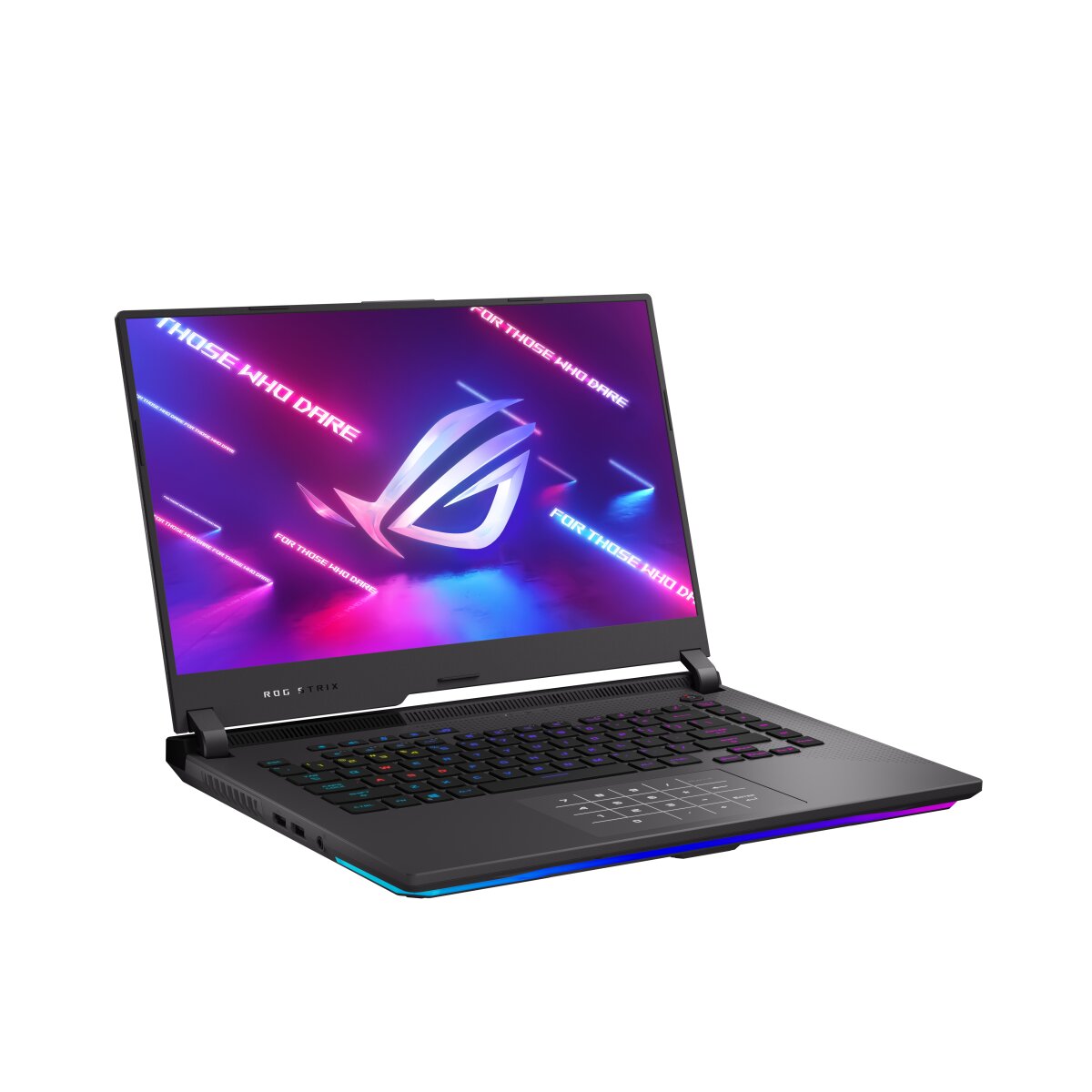
The ASUS ROG Strix G15 G513QR-HF035T features DDR4-SDRAM memory upgrade capabilities with two SO-DIMM slots for maximum expansion. Compatible memory modules support frequencies of 3200 MHz, with maximum RAM capacity of 32 GB total. Specifications indicate SO-DIMM form factor for memory modules. Upgrade slots allow for flexible memory configuration to enhance system performance on the G513QR-HF035T gaming laptop model.
Memory Upgrade Specifications
| Specification | Value |
|---|---|
| Memory slots | 2x SO-DIMM |
| Form factor | SO-DIMM |
| Memory type | DDR4-SDRAM |
| Frequency | 3200 MHz |
| Maximum RAM | 32 GB |
| Voltage | 1.2V |
| Number of pins | 260-pin |
| Interface | PC4 |
| PC Speed Rating | PC4-3200 (PC4-25600) |
| Bandwidth | 25.6 GB/s |
| Laptop Release date | 01 September 2021 |
Additional Notes
- The ASUS ROG G513QR-HF035T operates with DDR4 memory, which creates a hard ceiling at 32 GB total capacity regardless of SO-DIMM module availability in higher densities.
- Dual SO-DIMM architecture means both slots must be populated to achieve maximum capacity; leaving a single slot vacant reduces usable memory by 50% even if a larger module is installed in the remaining slot.
- 3200 MHz frequency specification indicates the motherboard supports JEDEC DDR4-3200 standard, but faster aftermarket modules will throttle to this speed, yielding no performance gain from premium memory purchases.
- SO-DIMM form factor is exclusive to laptop implementations; desktop DDR4 modules are physically incompatible and cannot be adapted, restricting upgrade sources to mobile-grade inventory only.
- Upgrading from factory configuration to 32 GB requires replacing existing modules rather than adding capacity, as the 2-slot limitation prevents additive expansion.
- The DDR4 memory platform predates DDR5 by several generations, meaning this system cannot utilize newer memory standards through firmware updates or BIOS modifications.
- Memory latency performance is constrained by DDR4 architecture rather than frequency; bandwidth is capped at approximately 51.2 GB/s, creating potential bottlenecks in applications requiring sustained memory throughput above this threshold.