ASUS ROG G513QR-HF012T-BE RAM upgrade specifications
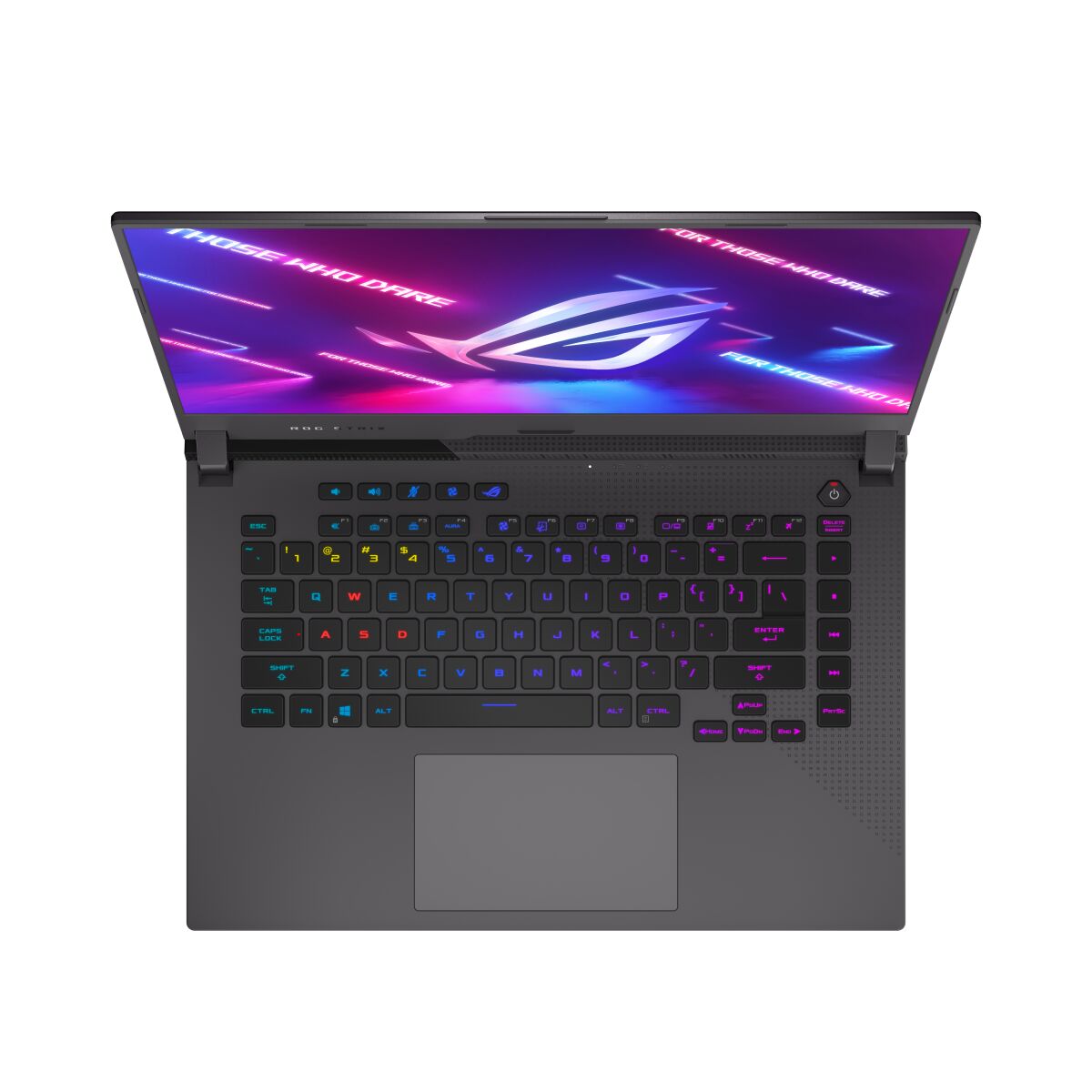
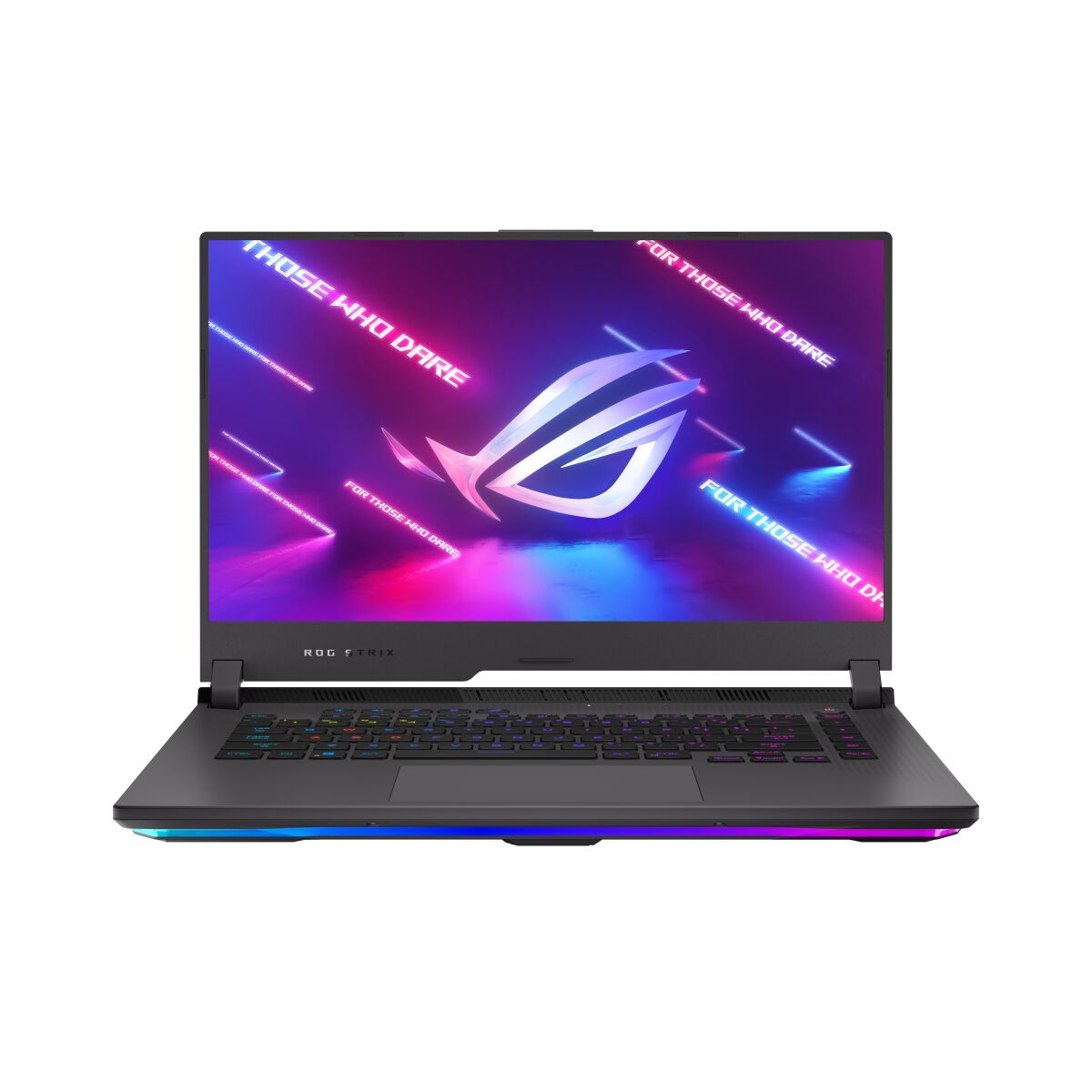
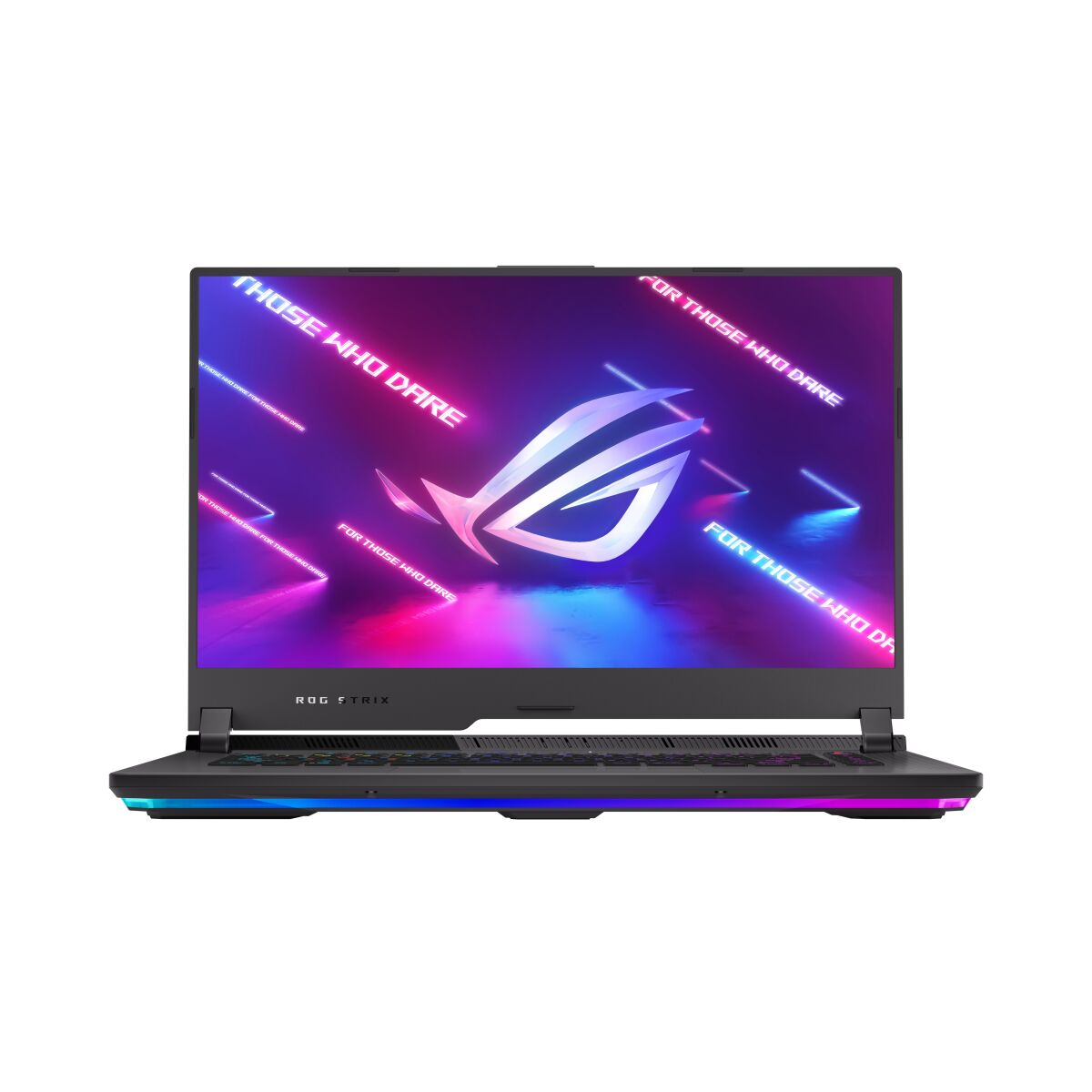

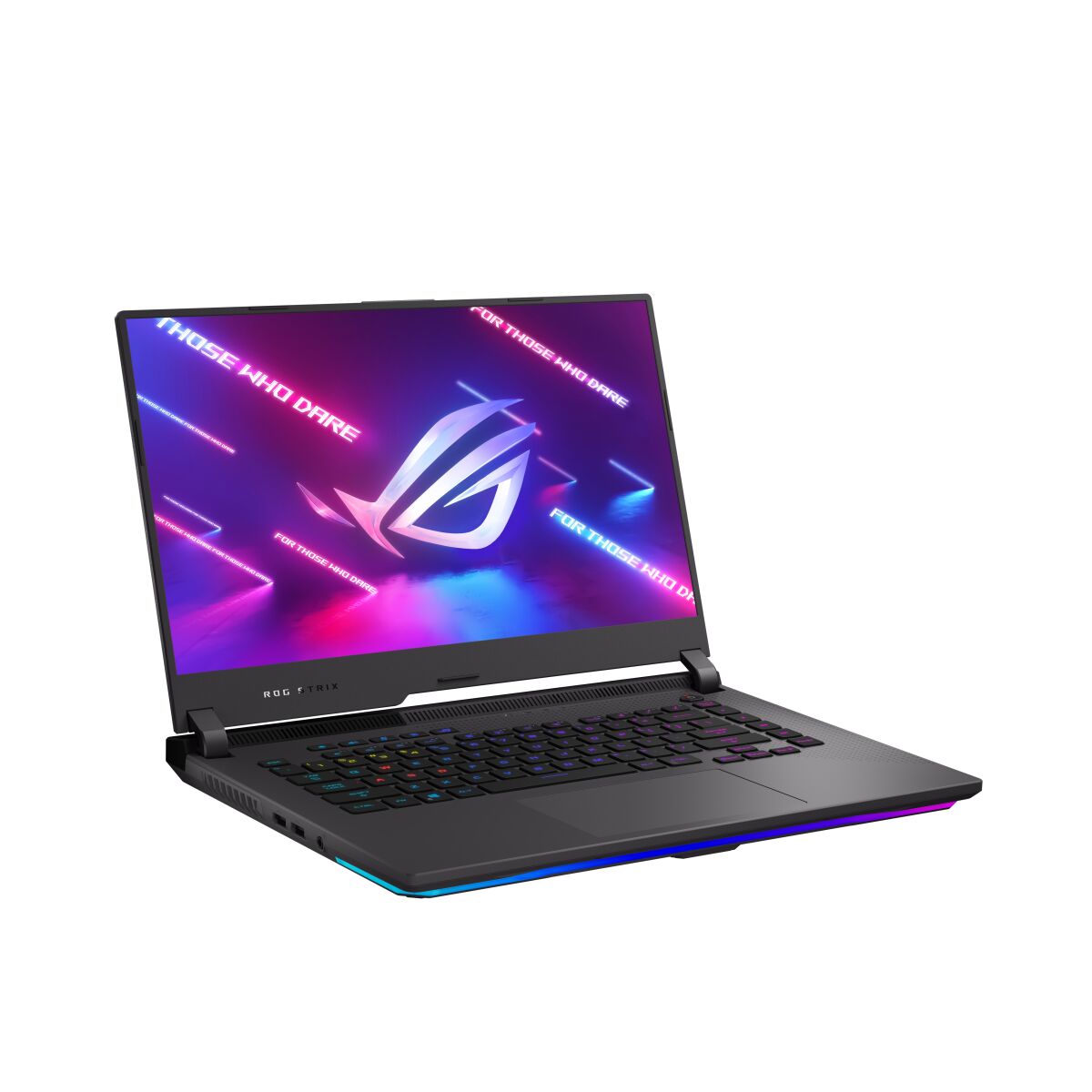
The ASUS ROG Strix G15 G513QR-HF012T-BE gaming laptop features DDR4-SDRAM memory upgrade specifications. The system includes 2x SO-DIMM memory slots with a maximum RAM capacity of 32 GB. Compatible memory modules operate at 3200 MHz frequency. The SO-DIMM form factor enables straightforward RAM upgrades for enhanced system performance. Specifications support installation of dual memory modules to achieve maximum supported capacity on this model.
Memory Upgrade Specifications
| Specification | Value |
|---|---|
| Memory slots | 2x SO-DIMM |
| Form factor | SO-DIMM |
| Memory type | DDR4-SDRAM |
| Frequency | 3200 MHz |
| Maximum RAM | 32 GB |
| Voltage | 1.2V |
| Number of pins | 260-pin |
| Interface | PC4 |
| PC Speed Rating | PC4-3200 (PC4-25600) |
| Bandwidth | 25.6 GB/s |
| Laptop Release date | 16 December 2020 |
Additional Notes
- The dual SO-DIMM configuration requires purchasing memory modules in matching pairs to maintain optimal dual-channel bandwidth performance.
- The 32 GB ceiling imposed by chipset architecture limits the maximum addressable configuration to 2x16 GB modules regardless of higher capacity module availability.
- DDR4-3200 represents the native frequency supported without overclocking profiles, ensuring compatibility across all operating system power states.
- Physical clearance above memory slots may restrict heatspreader height on aftermarket modules due to internal chassis geometry in this ASUS ROG G513QR-HF012T-BE model.
- Mixing modules with differing CAS latencies will force all installed memory to operate at the slowest timing specification present in the system.
- Non-standard voltage modules rated above 1.2V may trigger thermal throttling under sustained workloads due to SO-DIMM thermal dissipation constraints.
- Factory-installed memory removal typically does not void manufacturer warranty when performed through the designated bottom panel access cover.
- Single-rank versus dual-rank module architecture affects memory controller efficiency, with dual-rank configurations providing marginal performance gains in bandwidth-intensive applications.
- The SO-DIMM form factor standard prevents installation of desktop DIMM modules, eliminating cross-compatibility with standard ATX memory inventory.
- Exceeding the 3200 MHz specification through XMP profiles may cause POST failures or system instability without corresponding BIOS microcode support.