ASUS ROG G513QR-HF080T RAM upgrade specifications
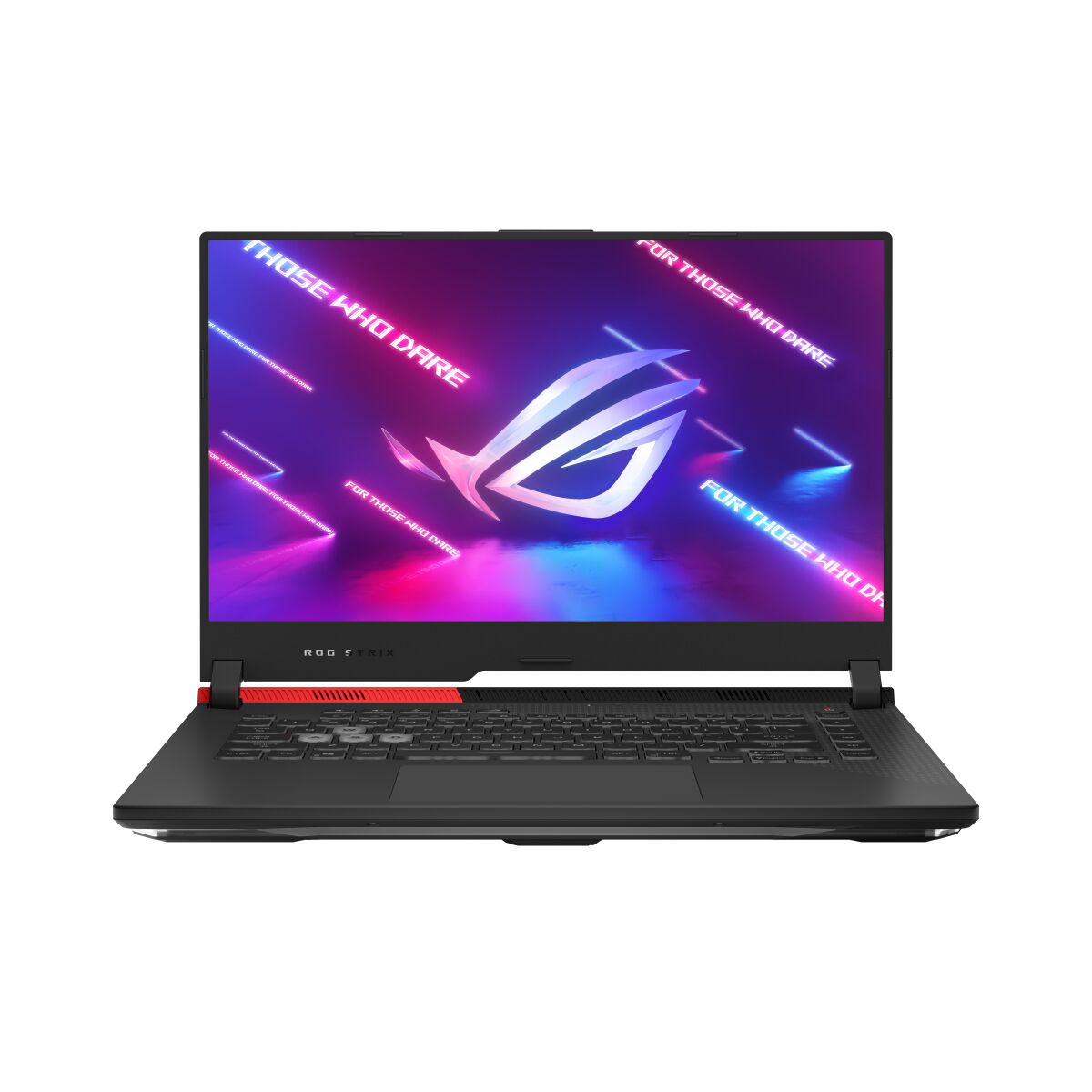
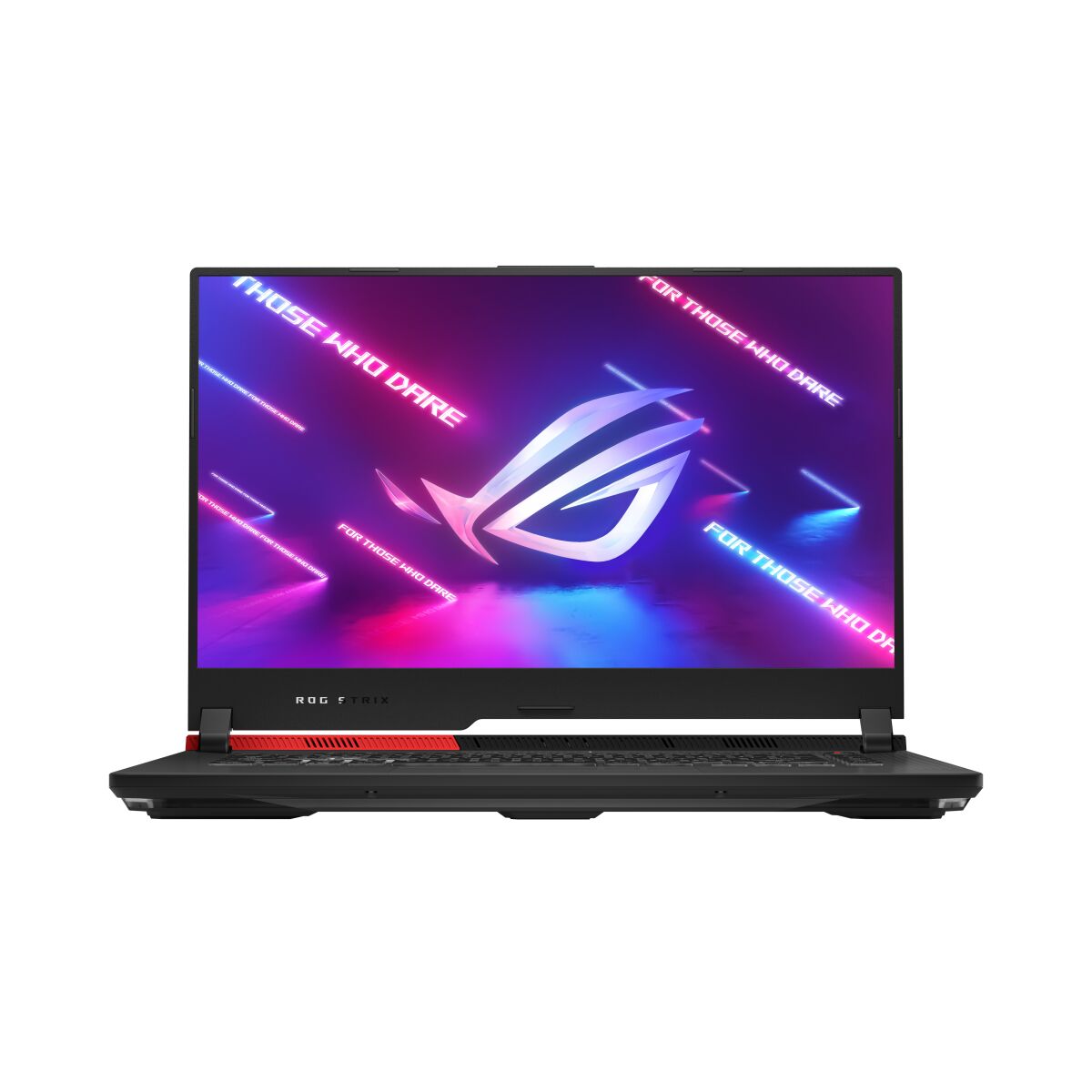
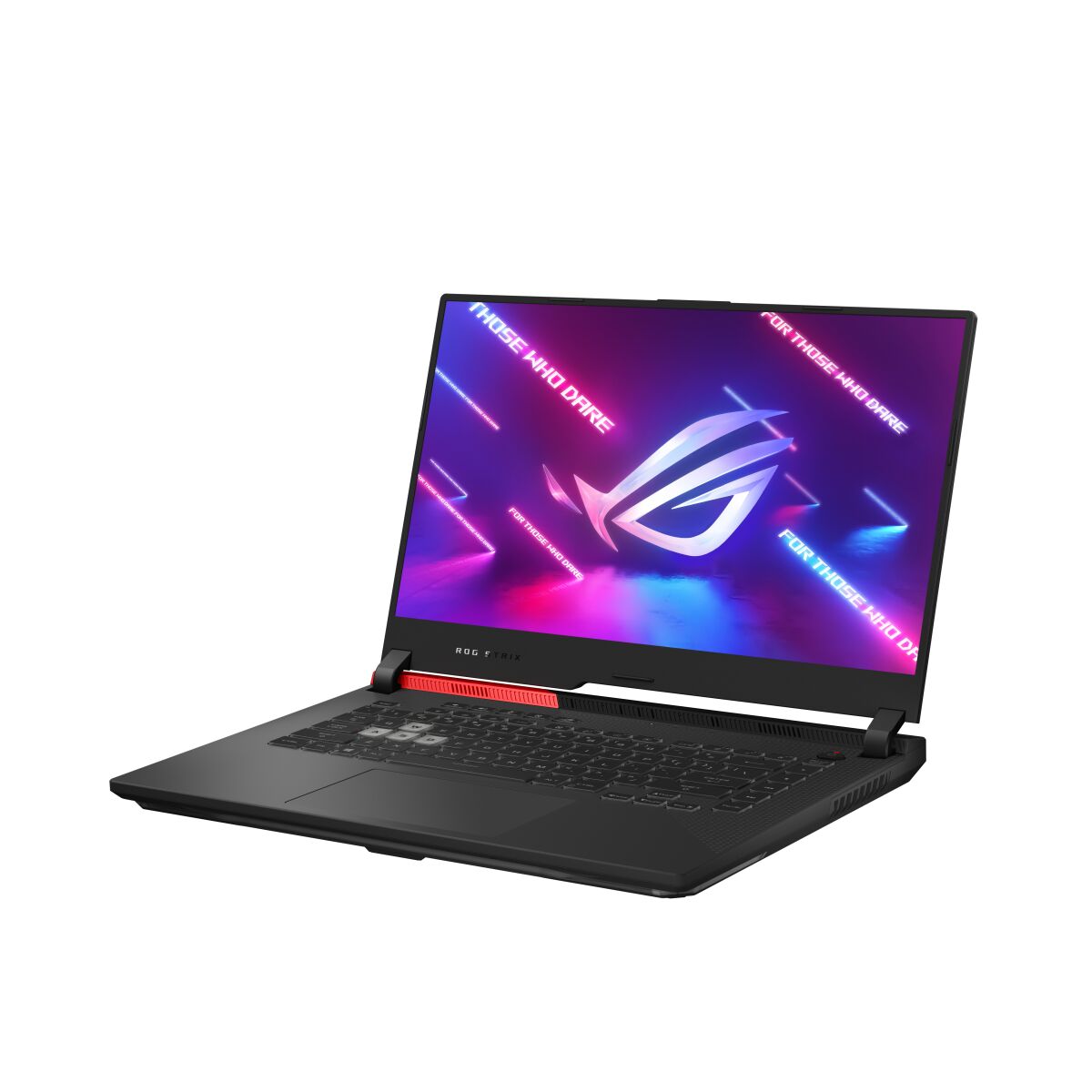
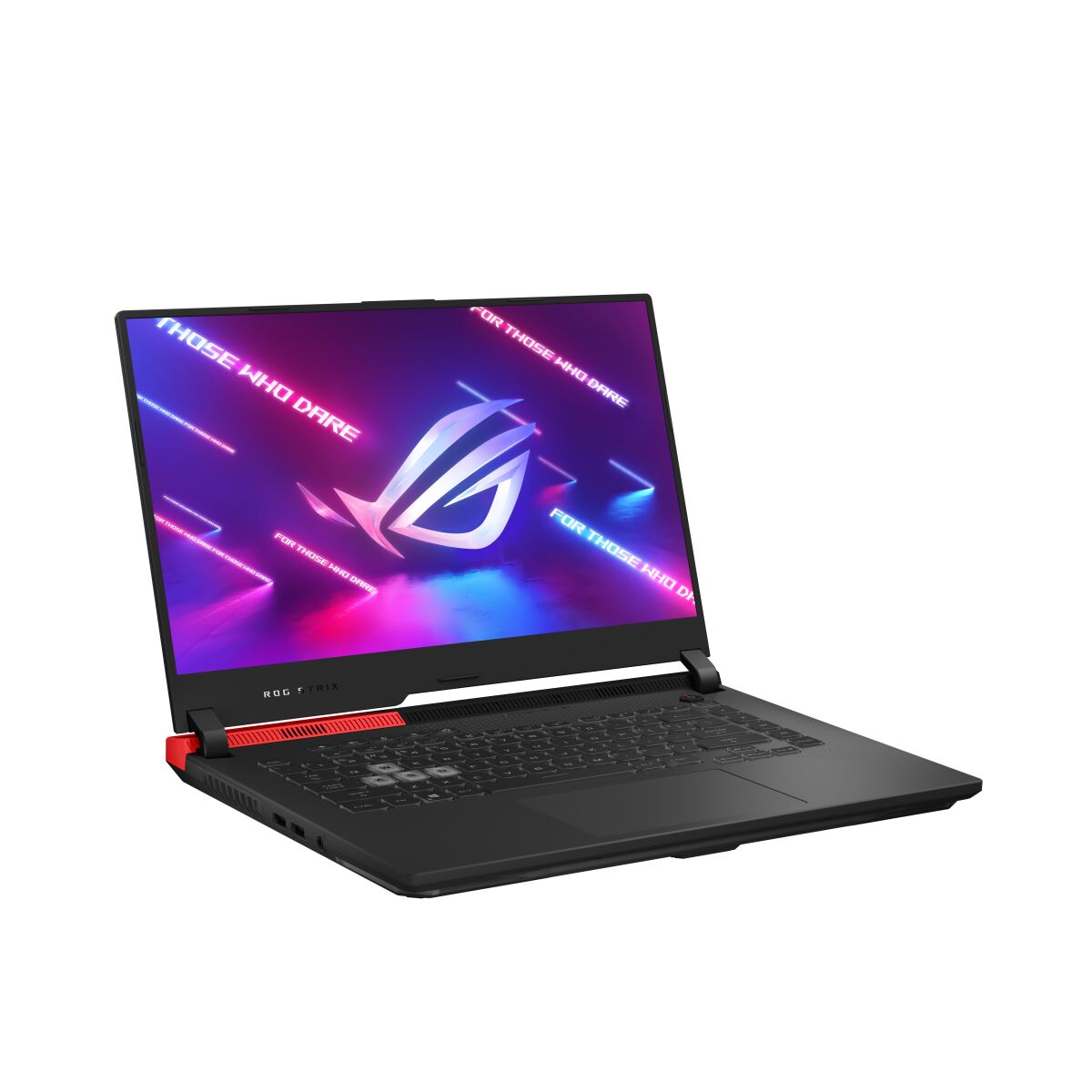
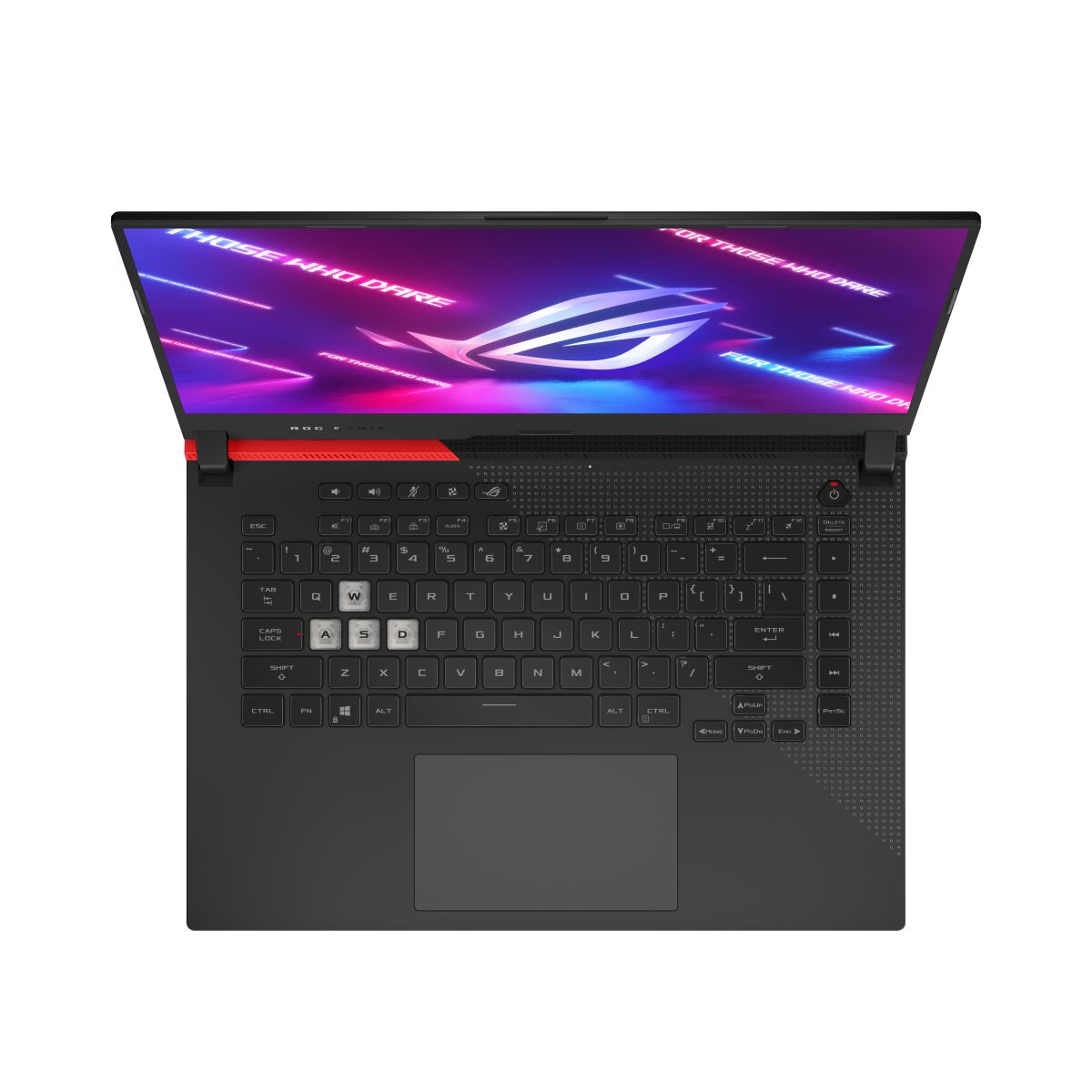
ASUS ROG Strix G15 model G513QR-HF080T supports DDR4-SDRAM memory upgrades through two SO-DIMM slots. Maximum RAM capacity reaches 32 GB total, with compatible modules operating at 3200 MHz frequency. The laptop's memory upgrade specifications indicate SO-DIMM form factor compatibility for RAM expansion. Users seeking to upgrade memory should reference DDR4-SDRAM specifications at 3200 MHz to ensure compatibility with the G513QR-HF080T platform.
Memory Upgrade Specifications
| Specification | Value |
|---|---|
| Memory slots | 2x SO-DIMM |
| Form factor | SO-DIMM |
| Memory type | DDR4-SDRAM |
| Frequency | 3200 MHz |
| Maximum RAM | 32 GB |
| Voltage | 1.2V |
| Number of pins | 260-pin |
| Interface | PC4 |
| PC Speed Rating | PC4-3200 (PC4-25600) |
| Bandwidth | 25.6 GB/s |
| Laptop Release date | 13 January 2021 |
Additional Notes
- The ASUS ROG G513QR-HF080T memory architecture uses 2 SO-DIMM slots, meaning both slots must be populated simultaneously to achieve dual-channel performance; a single module upgrade will operate in single-channel mode and reduce bandwidth efficiency by approximately 50 percent.
- DDR4-3200 MHz modules are commodity components with broad availability, but the 32 GB ceiling restricts configurations to 16 GB per slot; mixing 8 GB and 16 GB modules is technically viable but negates dual-channel symmetry and forces the system to run at the speed of the slowest module.
- SO-DIMM form factor indicates a notebook design with severely constrained thermal and spatial properties; upgrade modules must comply with SO-DIMM height specifications (typically 30 mm), and non-standard or oversized modules cannot be physically installed without chassis modification.
- Native DDR4-3200 support suggests the motherboard VRM and BIOS are calibrated for this frequency; memory modules rated above 3200 MHz may require manual voltage and timing adjustments in UEFI, introducing stability risks and voiding standard warranty coverage if instability occurs.
- The 32 GB maximum capacity creates a hard ceiling; this machine cannot accommodate future memory-intensive workloads beyond what 32 GB DDR4 can deliver, and platform upgrade paths terminate at this hardware limit.
- SO-DIMM slots in gaming notebooks often sit directly beneath heat-generating components; memory upgrade procedures require removing internal shrouding and may expose the system to dust ingress; component reassembly must follow manufacturer torque specifications to prevent damage to fragile ribbon connectors.