ASUS ROG G513QR-HF118 RAM upgrade specifications
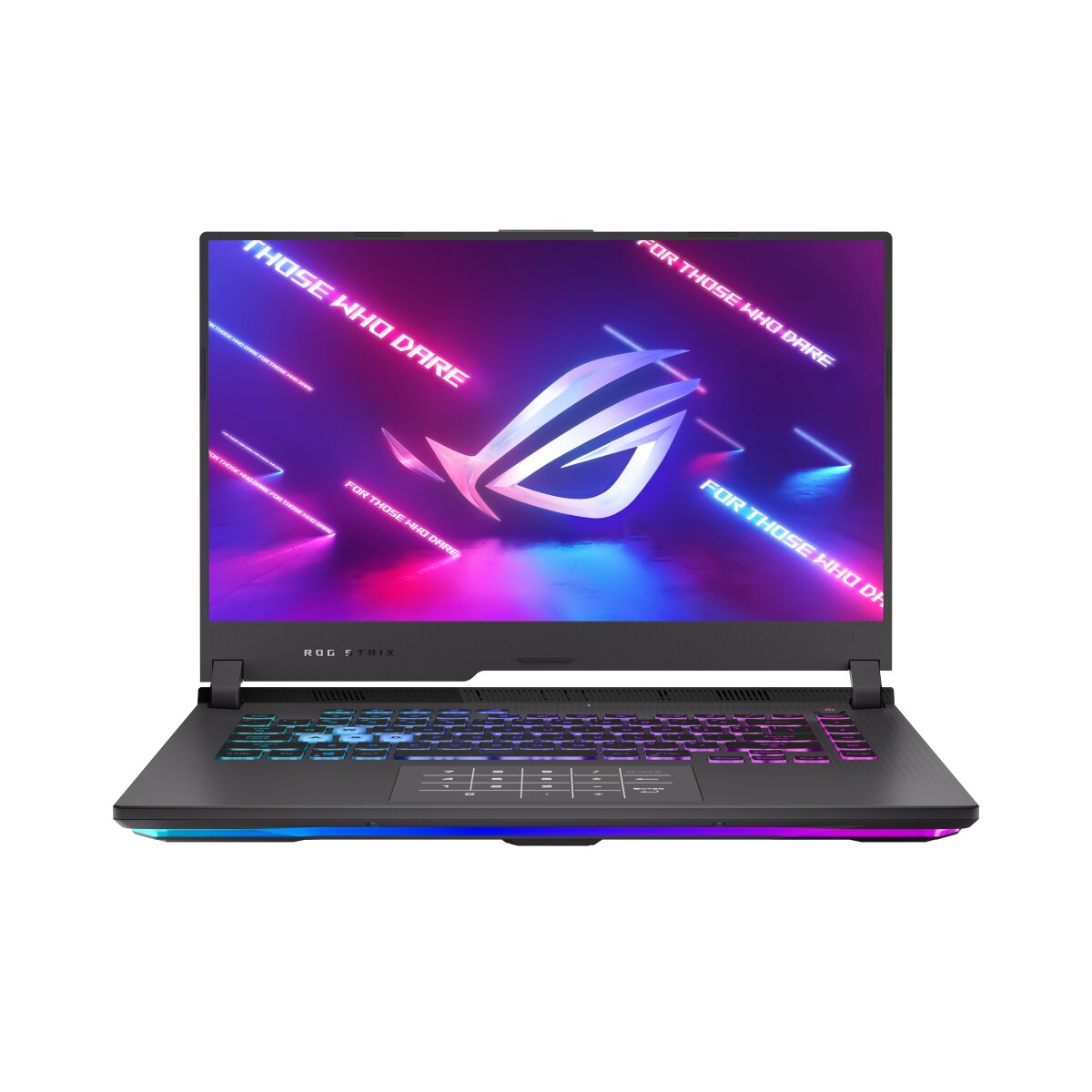


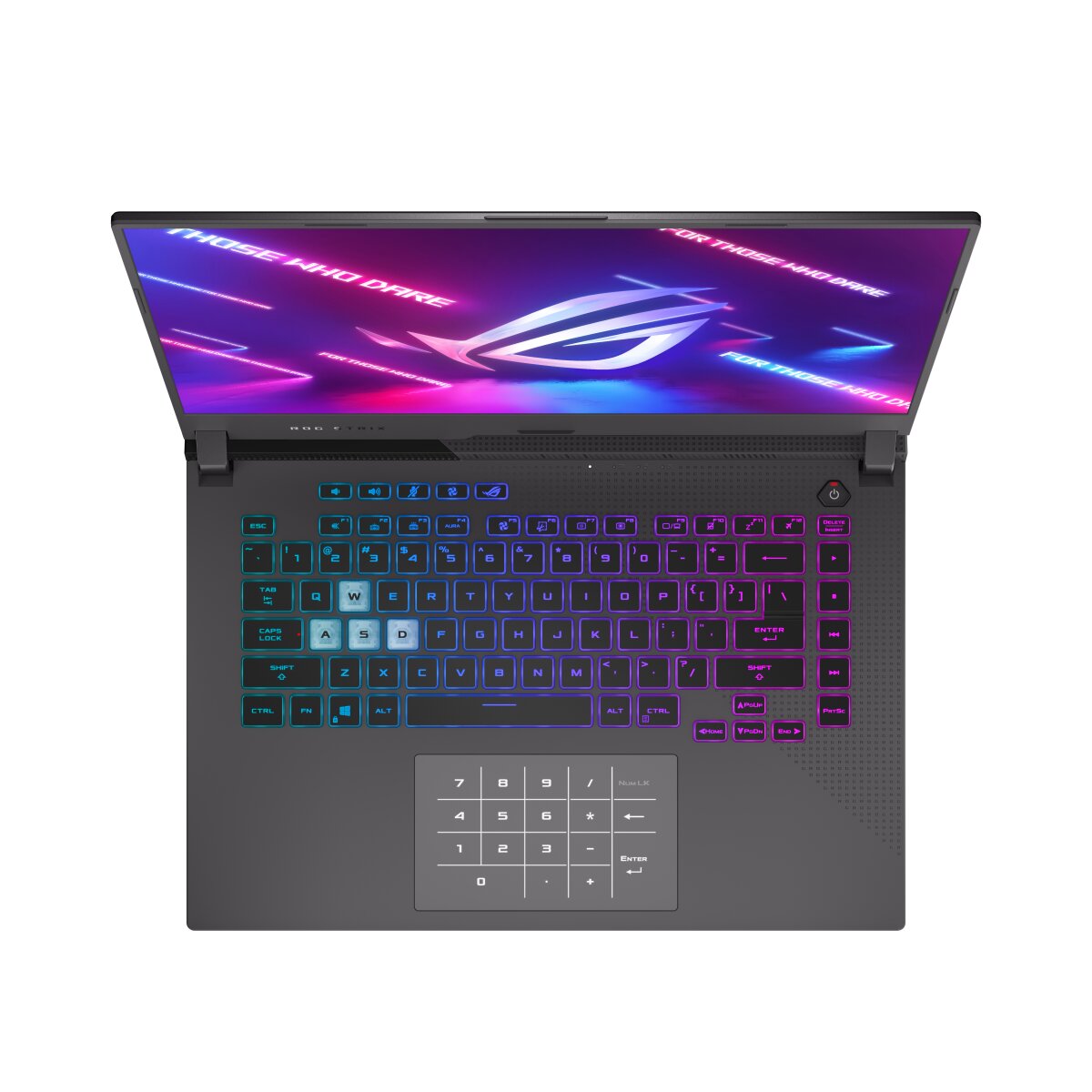
The ASUS ROG Strix G15 G513QR-HF118 features DDR4-SDRAM memory upgrade capabilities with two SO-DIMM slots supporting maximum RAM capacity of 32 GB. Compatible memory modules operate at 3200 MHz frequency. Specifications indicate the laptop accepts standard SO-DIMM form factor DDR4 memory upgrades, enabling users to expand the system's total RAM from its factory configuration up to the maximum supported capacity of 32 GB across both memory slots.
Memory Upgrade Specifications
| Specification | Value |
|---|---|
| Memory slots | 2x SO-DIMM |
| Form factor | SO-DIMM |
| Memory type | DDR4-SDRAM |
| Frequency | 3200 MHz |
| Maximum RAM | 32 GB |
| Voltage | 1.2V |
| Number of pins | 260-pin |
| Interface | PC4 |
| PC Speed Rating | PC4-3200 (PC4-25600) |
| Bandwidth | 25.6 GB/s |
| Laptop Release date | 26 January 2021 |
Additional Notes
- The SO-DIMM form factor requirement limits compatibility to laptop-specific memory modules, excluding standard desktop DIMM configurations which are physically incompatible with the motherboard's slot design.
- The 32 GB maximum memory ceiling indicates chipset or BIOS limitations that prevent recognition of higher-capacity modules, making 2x16 GB the only configuration to reach full supported capacity.
- DDR4-3200 represents the maximum validated speed for this ASUS ROG G513QR-HF118 platform, though the memory controller may support higher-frequency modules by downclocking them to 3200 MHz during POST initialization.
- Dual-channel architecture requires matched module pairs for optimal bandwidth utilization, as asymmetric configurations force the memory controller into single-channel mode with approximately 50% reduced throughput.
- The 2-slot physical constraint eliminates incremental upgrade paths, requiring complete replacement of both modules when moving from factory configurations to maximum capacity.
- Non-ECC DDR4 module compatibility ensures wider availability and lower costs compared to error-correcting memory, though this eliminates automatic error detection during memory operations.
- JEDEC-standard DDR4-3200 timing specifications typically default to CL22 latency unless XMP profiles exist, though laptop BIOS implementations rarely expose manual timing adjustments for stability reasons.
- Module voltage requirements standardized at 1.2V for DDR4 prevent installation of DDR3L or DDR5 memory types, which operate at incompatible electrical specifications and feature different notch positions.
- Aftermarket upgrades maintain warranty validity in most regions due to consumer protection regulations, though physical damage during installation or use of non-conforming specifications may void coverage terms.
- Mixed-brand installations remain functional when electrical specifications match, though identical part numbers across both slots reduce potential compatibility issues with SPD timing tables.