ASUS ROG G513RM-HQ012 RAM upgrade specifications
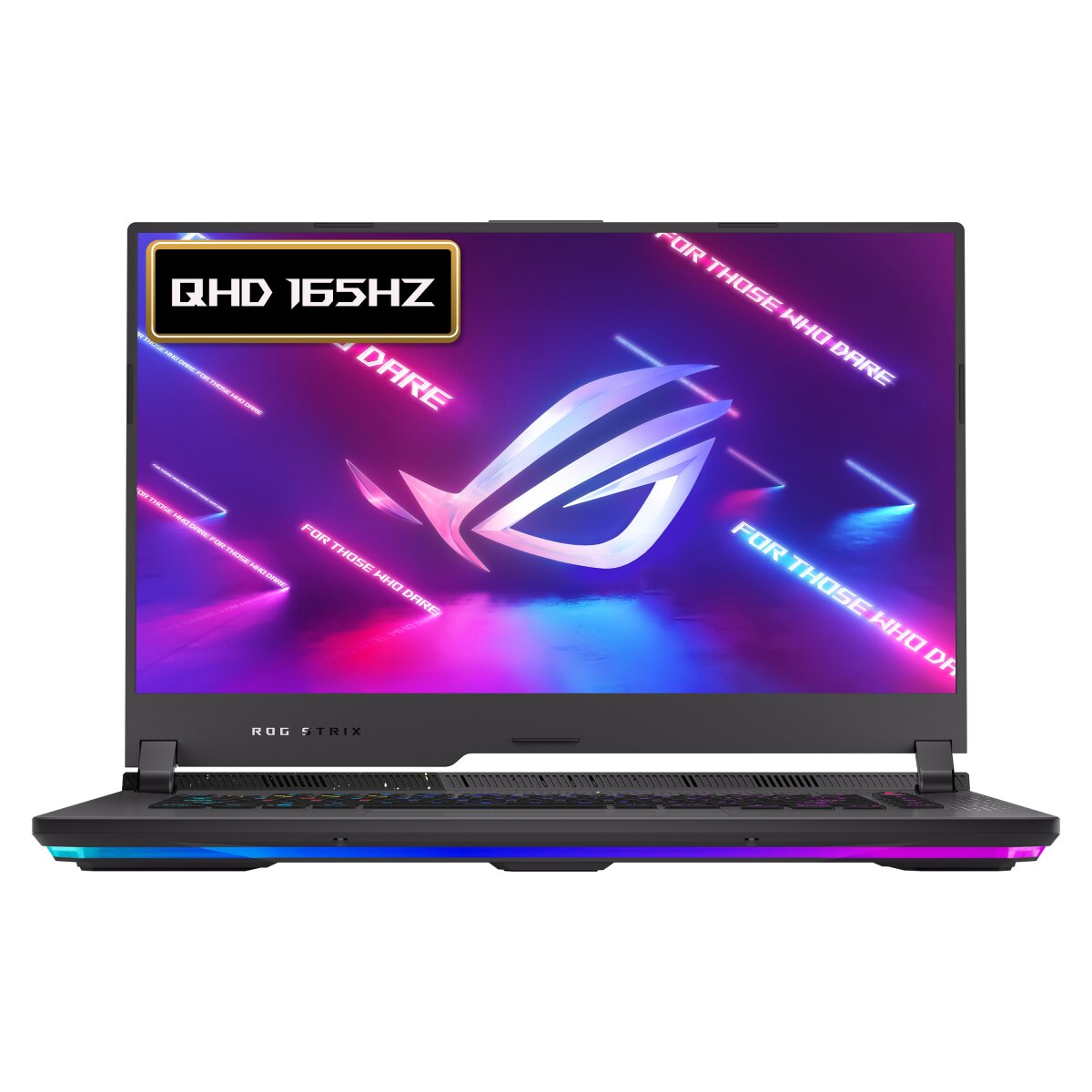

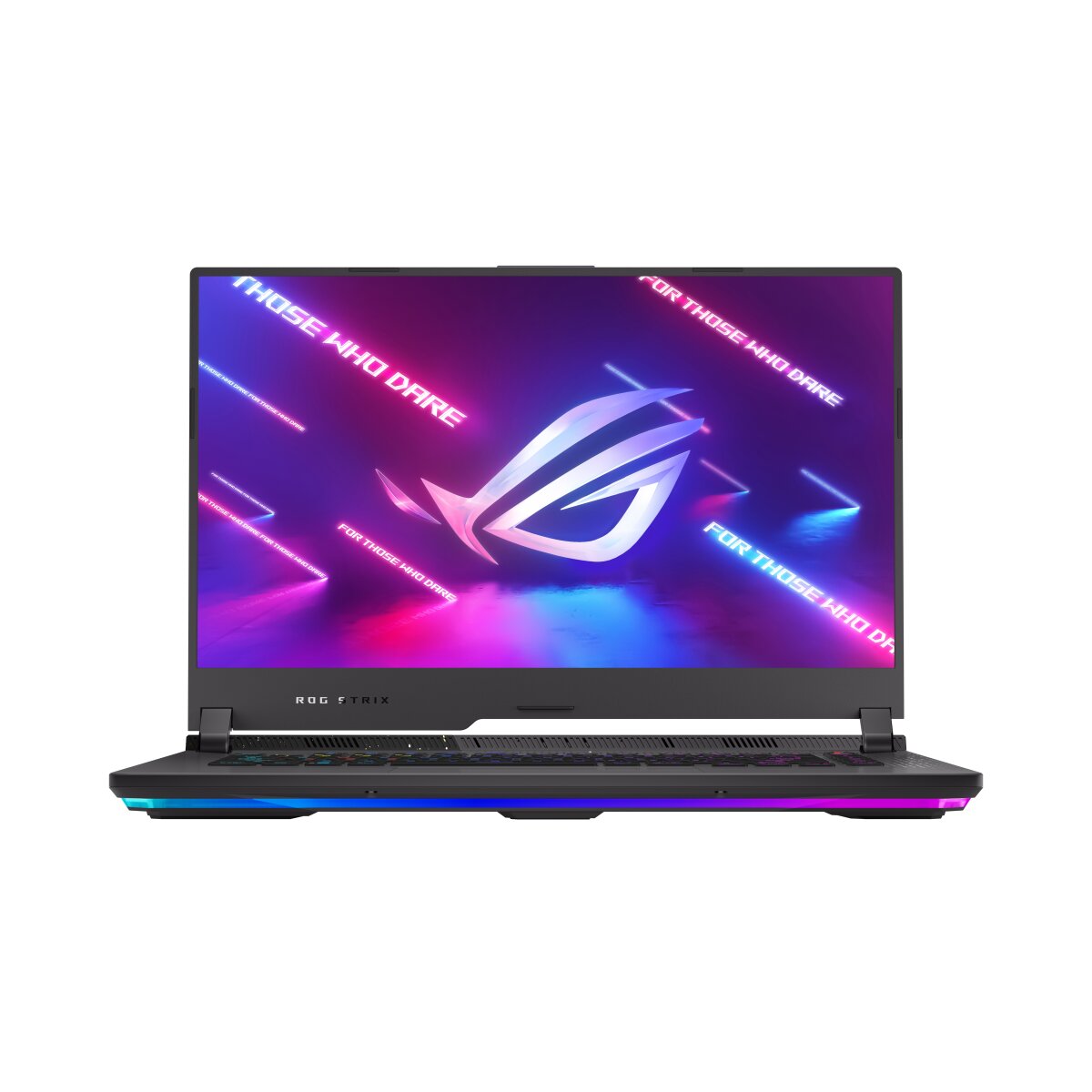
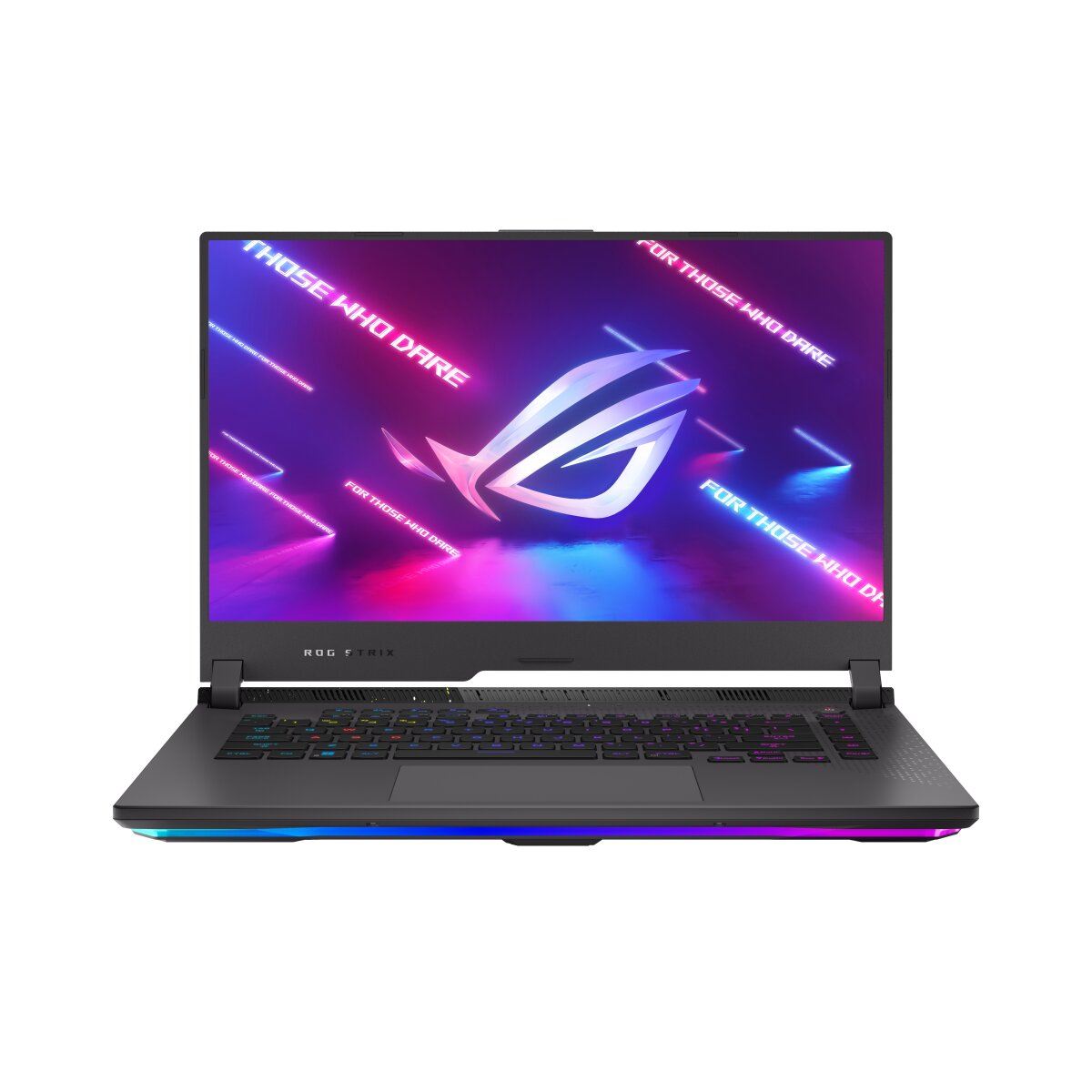

ASUS ROG Strix G15 model G513RM-HQ012 features DDR5-SDRAM memory upgrade specifications. The laptop contains two SO-DIMM slots supporting maximum memory capacity of 32 GB total. Compatible RAM modules operate at 4800 MHz frequency. Upgrade specifications indicate DDR5-SDRAM form factor compatibility for memory expansion in the G513RM-HQ012 gaming laptop.
Memory Upgrade Specifications
| Specification | Value |
|---|---|
| Memory slots | 2x SO-DIMM |
| Form factor | SO-DIMM |
| Memory type | DDR5-SDRAM |
| Frequency | 4800 MHz |
| Maximum RAM | 32 GB |
| Voltage | 1.1V |
| Number of pins | 262-pin |
| Interface | PC5 |
| PC Speed Rating | PC5-4800 (PC5-38400) |
| Bandwidth | 38.4 GB/s |
| Laptop Release date | 15 April 2022 |
Additional Notes
- DDR5-4800 modules operate at a higher voltage (1.1V) than DDR4, requiring compatible SO-DIMM modules that older DDR4 inventory cannot fulfill due to physical notch repositioning that prevents insertion.
- The 32 GB ceiling translates to a maximum configuration of 2x16 GB modules, as installing 2x32 GB modules would exceed the memory controller's addressable limit in the ASUS ROG G513RM-HQ012.
- Dual-channel architecture at 4800 MT/s provides 76.8 GB/s theoretical bandwidth, though actual throughput depends on memory timings (CL40 vs. CL46) not specified in the base configuration.
- SO-DIMM DDR5 modules lack heat spreaders in most consumer models, making thermal performance dependent on chassis airflow rather than module-specific cooling solutions.
- Mixing modules with different speeds will force all installed memory to operate at the lowest common frequency, potentially downclocking 5200 MHz or 5600 MHz modules to the 4800 MHz baseline.
- Single-rank versus dual-rank module topology affects interleaving efficiency, with dual-rank configurations potentially yielding 5-15% performance gains in memory-intensive workloads despite identical capacity and frequency ratings.
- Both SO-DIMM slots must remain accessible without motherboard removal, though specific disassembly requirements vary based on whether ASUS positioned the compartment under a dedicated panel or beneath the full bottom cover.
- JEDEC-standard DDR5-4800 modules ensure compatibility, while XMP 3.0 profiles may require BIOS updates to activate speeds beyond the native 4800 MHz specification.
- Non-ECC unbuffered modules represent the only viable option for this consumer platform, as ECC or registered SO-DIMMs would be physically incompatible with the memory controller architecture.
- Warranty preservation typically requires avoiding physical damage to retention clips during installation, though memory upgrades themselves generally do not void manufacturer coverage under most regional consumer protection regulations.