ASUS ROG G513RM-HQ015 RAM upgrade specifications
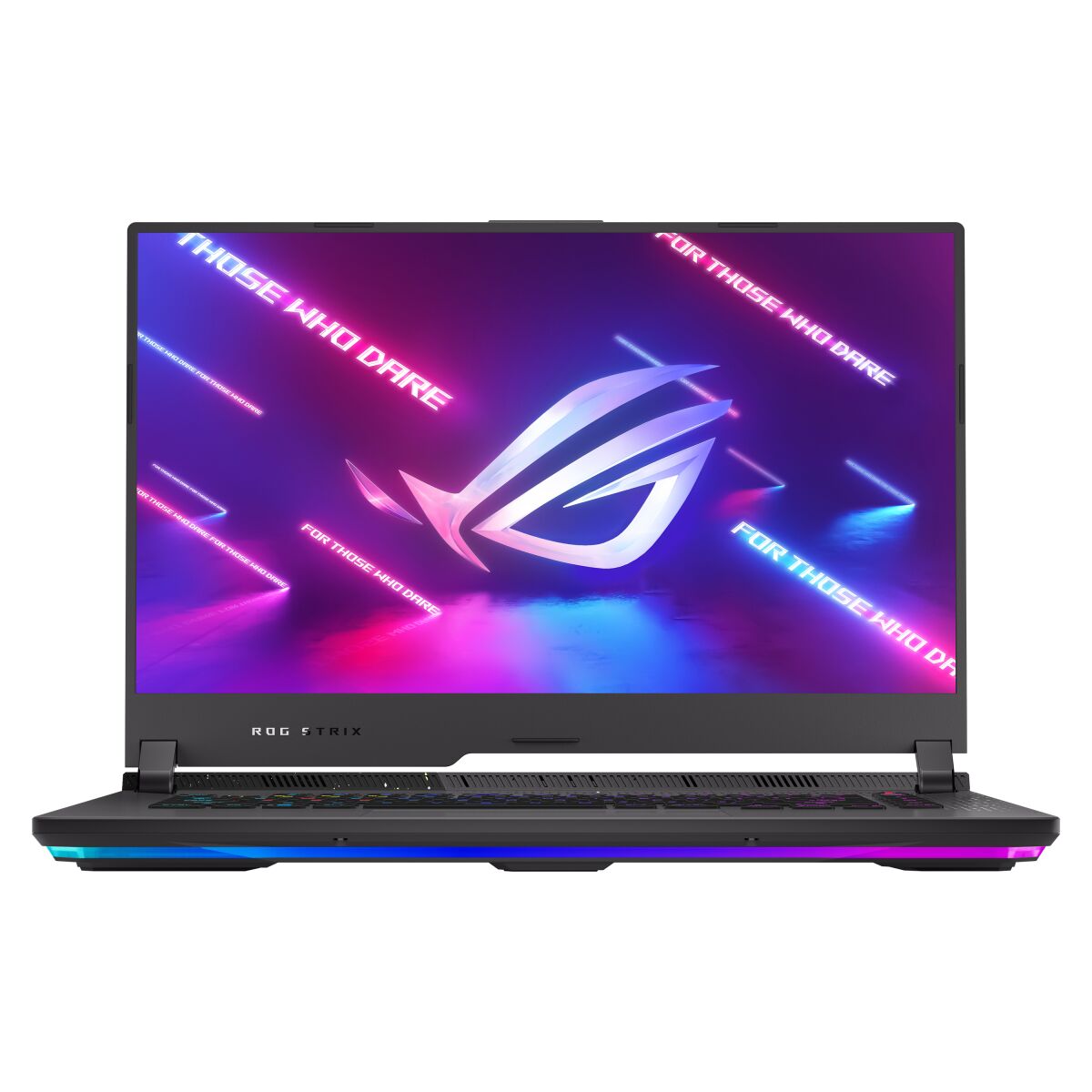
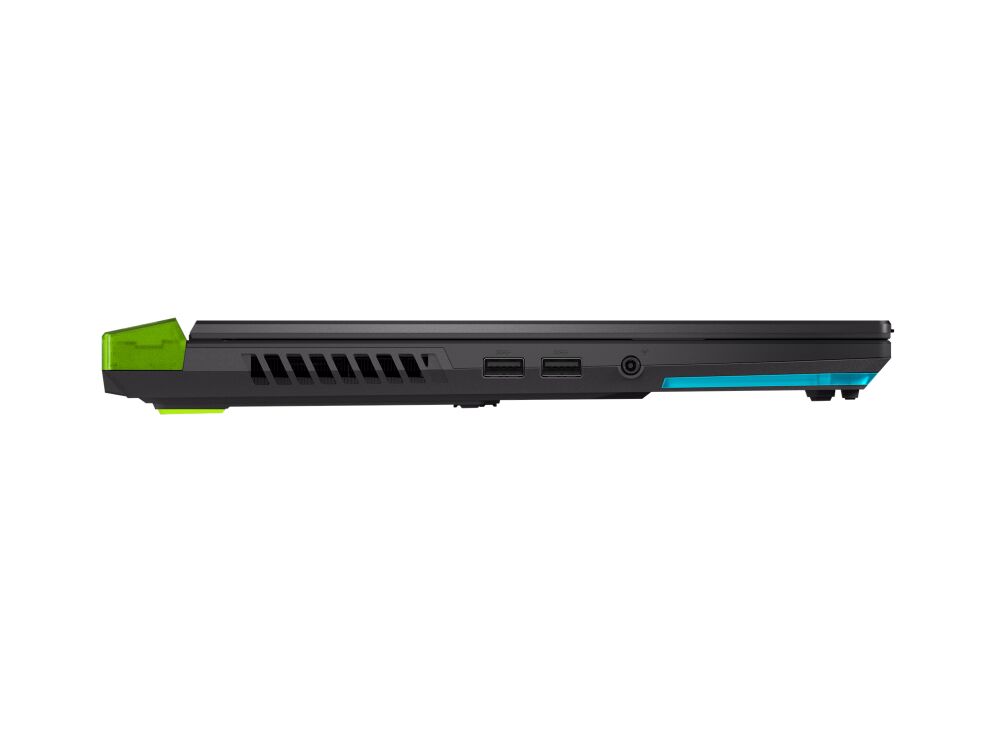
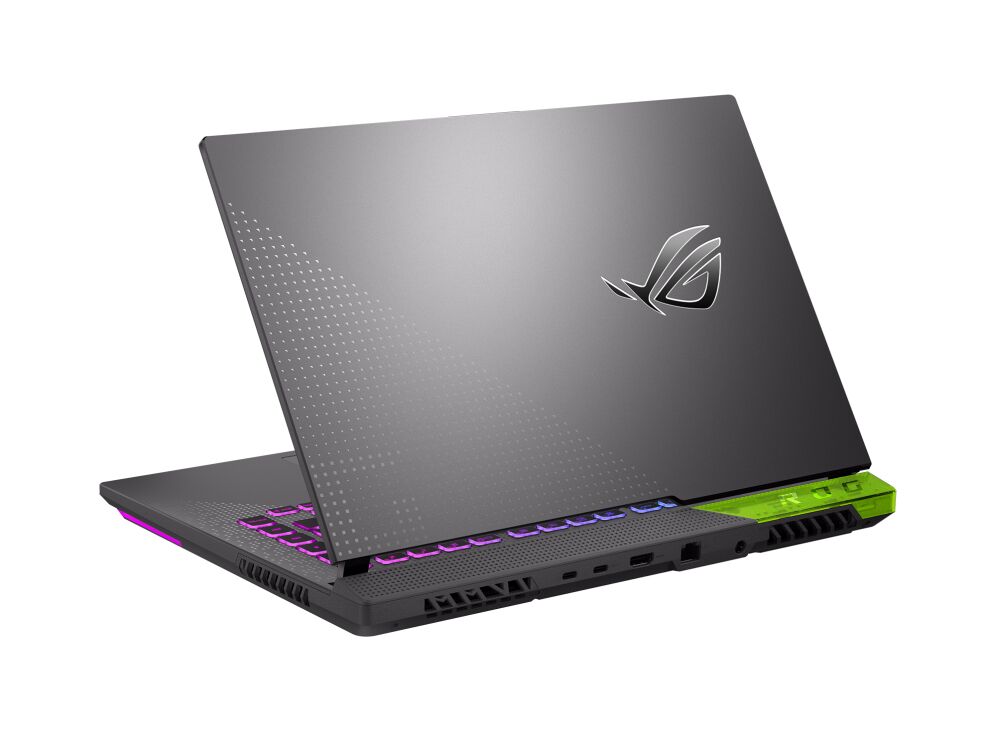
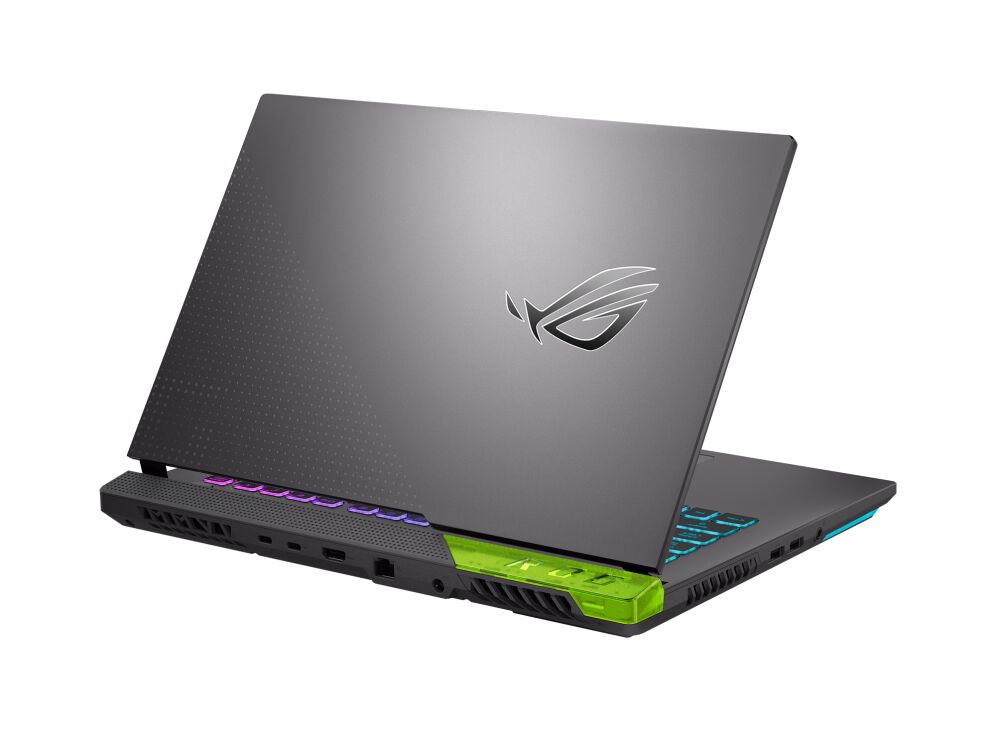
The ASUS ROG Strix G15 G513RM-HQ015 laptop features DDR5-SDRAM memory upgrade specifications with 2x SO-DIMM slots supporting maximum capacity of 32 GB. Compatible RAM modules operate at 4800 MHz frequency with SO-DIMM form factor. Upgrade specifications enable users to enhance multitasking and gaming performance through memory expansion within the available slots and maximum RAM threshold.
Memory Upgrade Specifications
| Specification | Value |
|---|---|
| Memory slots | 2x SO-DIMM |
| Form factor | SO-DIMM |
| Memory type | DDR5-SDRAM |
| Frequency | 4800 MHz |
| Maximum RAM | 32 GB |
| Voltage | 1.1V |
| Number of pins | 262-pin |
| Interface | PC5 |
| PC Speed Rating | PC5-4800 (PC5-38400) |
| Bandwidth | 38.4 GB/s |
| Laptop Release date | 17 February 2022 |
Additional Notes
- The dual-channel architecture utilizes two symmetrical modules to maximize the bandwidth of the Ryzen processor, reducing latency in memory-intensive workloads compared to single-stick configurations.
- The absence of soldered memory on the ASUS ROG G513RM-HQ015 motherboard allows for the replacement of both factory modules should a hardware failure occur outside of the standard coverage period.
- Upgrading beyond the 32 GB threshold remains unsupported by the BIOS, potentially leading to POST failures or system instability if higher capacity modules are installed.
- Mixing modules with different timings will force the system to default to the highest common latency, negatively impacting the synchronized performance of the DDR5 interface.
- Standard 1.1V DDR5 modules are required for compatibility as the voltage regulators on this platform do not support high-voltage overclocking profiles.
- Physical installation requires a non-conductive pry tool to release the bottom chassis clips without damaging the internal Wi-Fi antennas or the integrated RGB lighting strips connected to the mainboard.
- Manual clock speed adjustments are restricted, meaning any memory rated for speeds above 4800 MHz will automatically downclock to match the hardware controller limitations.