ASUS ROG G614PM-RV007W RAM upgrade specifications


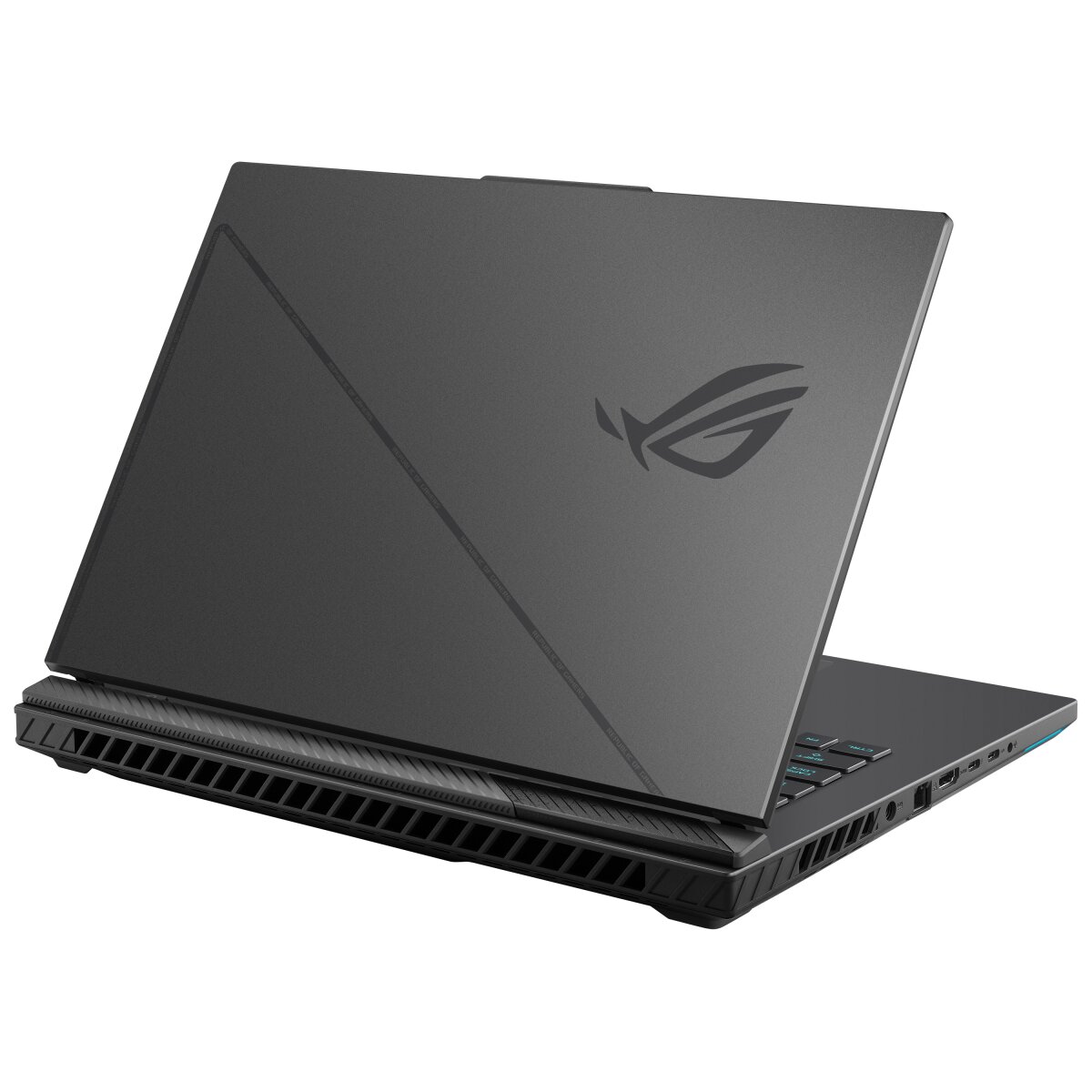


The ASUS ROG Strix G16 G614PM-RV007W laptop features DDR5-SDRAM memory specifications with two SO-DIMM slots available for upgrade. Maximum RAM capacity reaches 64 GB total, supporting DDR5-5600 MHz frequency operation. Compatible memory upgrades utilize SO-DIMM form factor modules, enabling users to expand the laptop's memory configuration up to specifications. The dual-slot configuration allows flexible memory upgrade options while maintaining compatibility with the G614PM-RV007W's architecture and performance requirements.
Memory Upgrade Specifications
| Specification | Value |
|---|---|
| Memory slots | 2x SO-DIMM |
| Form factor | SO-DIMM |
| Memory type | DDR5-SDRAM |
| Frequency | 5600 MHz |
| Maximum RAM | 64 GB |
| Voltage | 1.1V |
| Number of pins | 262-pin |
| Interface | PC5 |
| PC Speed Rating | PC5-5600 (PC5-44800) |
| Bandwidth | 44.8 GB/s |
| Laptop Release date | 19 May 2025 |
Additional Notes
- The presence of 2 SO-DIMM slots allows for a dual-channel memory configuration which doubles the theoretical bandwidth available to the processor compared to single-channel setups.
- The 5600 MHz frequency indicates compatibility with high-speed DDR5 modules but achieving these speeds requires the processor memory controller to support the specific XMP or EXPO profiles without downclocking.
- Upgrading the ASUS ROG G614PM-RV007W to the 64 GB limit necessitates the removal of existing modules as there are no vacant slots for expansion beyond the two-slot physical architecture.
- Latency performance depends on the internal density of the chosen SO-DIMM modules where 1Rx8 modules generally provide superior data transfer efficiency over 1Rx16 alternatives.
- Physical installation requires electrostatic discharge protection to prevent damage to the integrated circuit components located near the memory bank area.
- The transition to 64 GB involves increased power consumption and heat generation within the motherboard's voltage regulator modules during sustained memory-intensive workloads.
- Utilizing mismatched module capacities or different timings will result in the system defaulting to the lowest common denominator for frequency and latency values.