ASUS ROG G713IE-HX021 RAM upgrade specifications
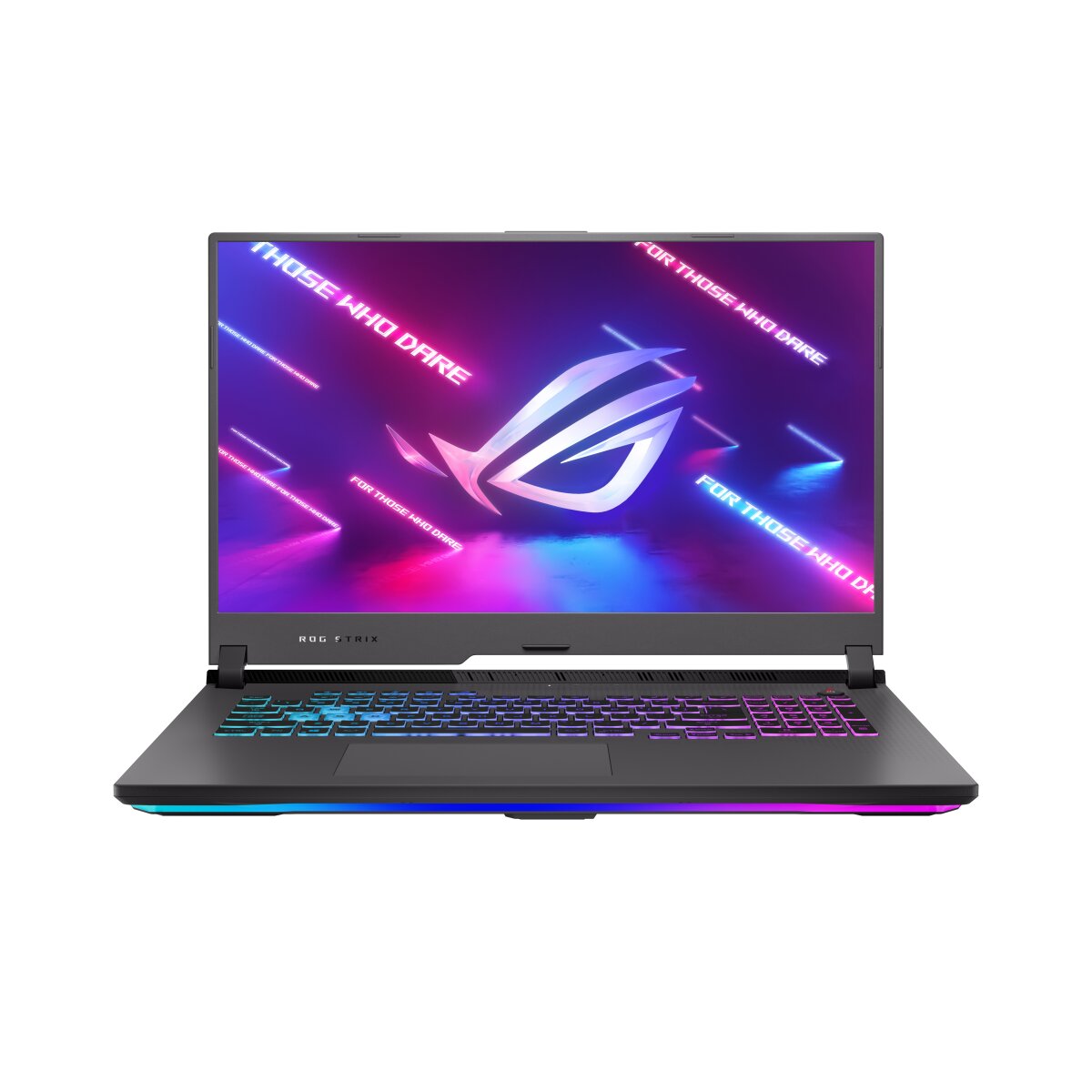




ASUS ROG Strix G17 G713IE-HX021 laptop accommodates DDR4-SDRAM memory upgrades via two SO-DIMM slots. Maximum RAM capacity reaches 32 GB, supporting DDR4 memory operating at 3200 MHz frequency. Compatible memory upgrades utilize SO-DIMM form factor specifications for this gaming laptop model. Current memory configurations can be expanded to the maximum supported capacity through compatible DDR4 modules installed in available slots.
Memory Upgrade Specifications
| Specification | Value |
|---|---|
| Memory slots | 2x SO-DIMM |
| Form factor | SO-DIMM |
| Memory type | DDR4-SDRAM |
| Frequency | 3200 MHz |
| Maximum RAM | 32 GB |
| Voltage | 1.2V |
| Number of pins | 260-pin |
| Interface | PC4 |
| PC Speed Rating | PC4-3200 (PC4-25600) |
| Bandwidth | 25.6 GB/s |
| Laptop Release date | 28 August 2021 |
Additional Notes
- The ASUS ROG G713IE-HX021 accepts only SO-DIMM modules, excluding standard DIMM desktop memory despite identical DDR4-3200 specifications due to incompatible physical connectors and pin configurations.
- The 32 GB ceiling translates to a maximum of 16 GB per slot, requiring matched density modules to maintain dual-channel bandwidth at 51.2 GB/s theoretical throughput.
- Operating speeds above 3200 MHz are rejected by the memory controller, as DDR4 SO-DIMMs rated for 3600 MHz or higher will downclock or fail POST initialization.
- Mixed-capacity configurations such as 8 GB plus 16 GB reduce memory interleaving efficiency, forcing the controller into asymmetric or single-channel mode for addresses exceeding the smaller module's range.
- Non-matching CAS latencies between installed modules trigger the controller to adopt the slower timing profile across both channels, degrading effective memory access speed below rated specifications.
- Voltage variants above 1.2V standard DDR4 specification may cause thermal throttling in the confined SO-DIMM slot area, as gaming laptop cooling prioritizes GPU and CPU thermal zones.
- Single-rank versus dual-rank module architecture affects memory access patterns, with dual-rank configurations offering higher interleaved bandwidth at the cost of increased controller complexity and minor latency penalties.
- Modules lacking JEDEC standard SPD profiles require manual BIOS timing configuration, though consumer laptop BIOS interfaces typically restrict advanced memory tuning compared to desktop platforms.
- ECC SO-DIMM modules are physically compatible but functionally incompatible, as consumer chipsets lack error-checking circuitry to utilize the additional parity bits.
- Aftermarket upgrades void warranty coverage only when physical damage to slots or traces occurs during installation, not merely by breaking factory seals on the memory compartment door.