ASUS ROG G713QM-ES94 RAM upgrade specifications
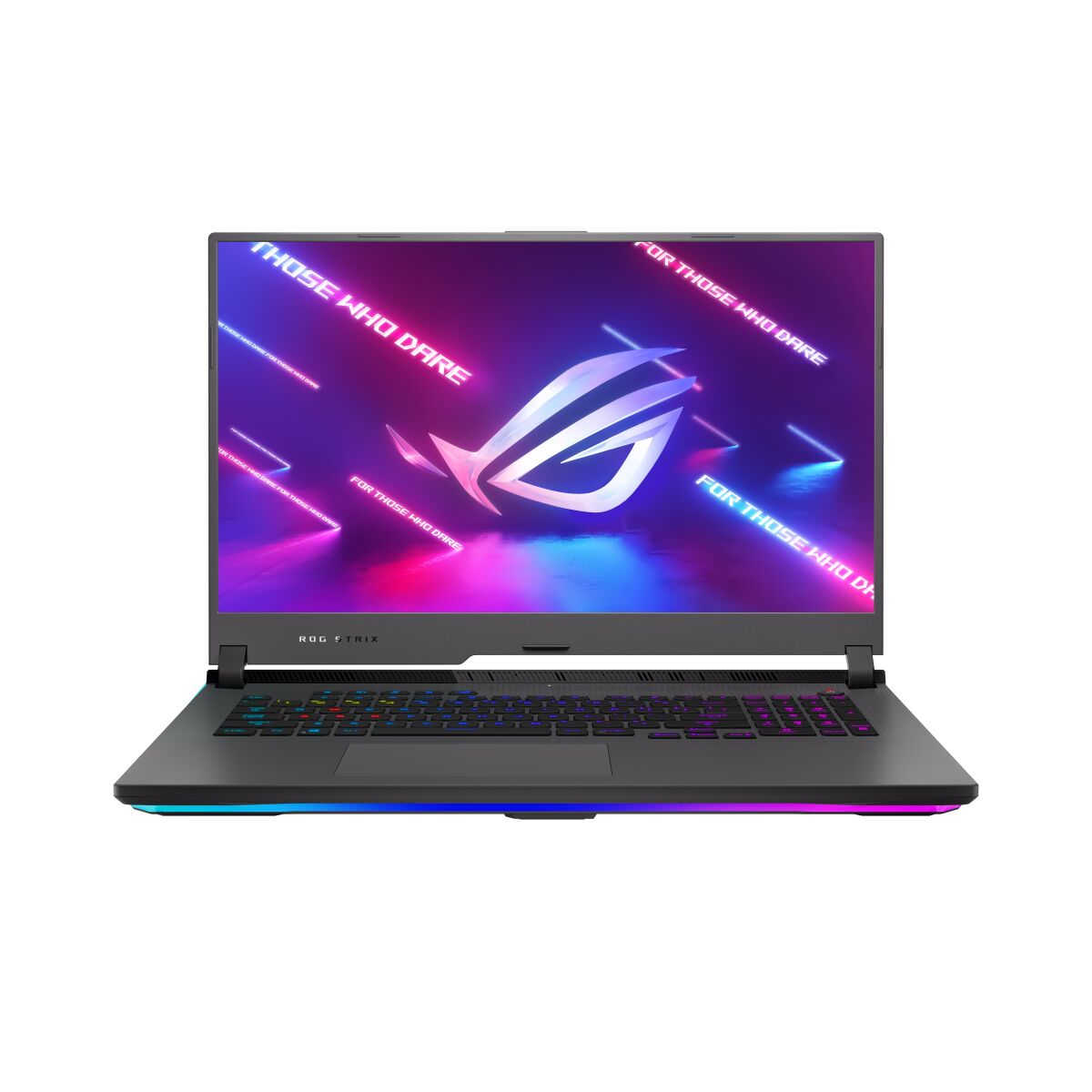




The ASUS ROG Strix G17 G713QM-ES94 gaming laptop features DDR4-SDRAM memory upgrade specifications with two SO-DIMM slots supporting maximum capacity of 32 GB total. Compatible RAM operates at 3200 MHz frequency. The laptop accommodates SO-DIMM form factor memory modules for upgrade configurations. Specifications indicate dual-slot memory architecture enabling modular RAM expansion up to the maximum supported capacity for enhanced performance in the Strix G17 series.
Memory Upgrade Specifications
| Specification | Value |
|---|---|
| Memory slots | 2x SO-DIMM |
| Form factor | SO-DIMM |
| Memory type | DDR4-SDRAM |
| Frequency | 3200 MHz |
| Maximum RAM | 32 GB |
| Voltage | 1.2V |
| Number of pins | 260-pin |
| Interface | PC4 |
| PC Speed Rating | PC4-3200 (PC4-25600) |
| Bandwidth | 25.6 GB/s |
| Laptop Release date | 04 May 2021 |
Additional Notes
- The ASUS ROG G713QM-ES94 contains 2 SO-DIMM slots, establishing a hard ceiling of 32 GB total capacity regardless of future module availability.
- DDR4-3200 modules operate within standard laptop frequency parameters, but pairing mismatched speeds defaults the system to the slower module's frequency, potentially reducing bandwidth by up to 800 MHz if a slower DDR4 variant is installed alongside existing memory.
- SO-DIMM modules require full system shutdown and battery disconnection for safe installation; the compact form factor necessitates careful alignment during insertion to prevent contact degradation on the 260-pin connector.
- Memory upgrade pathways remain unrestricted by manufacturer firmware locks, permitting use of third-party DDR4-3200 SO-DIMM modules without voiding coverage, provided modules meet JEDEC specifications and thermal dissipation remains within laptop cooling envelope limits.
- Dual-channel architecture utilizes both SO-DIMM slots to achieve rated 3200 MHz throughput; operating with a single populated slot forces single-channel mode, reducing memory bandwidth by approximately 50 percent and creating noticeable frame rate degradation in GPU-intensive workloads.
- The 32 GB capacity ceiling limits sustained rendering workloads and virtual machine deployment; professional applications (video compositing, 3D modeling) approaching 24 GB utilization will experience pagefile activity and secondary storage latency.