ASUS ROG G713QM-HG033T RAM upgrade specifications
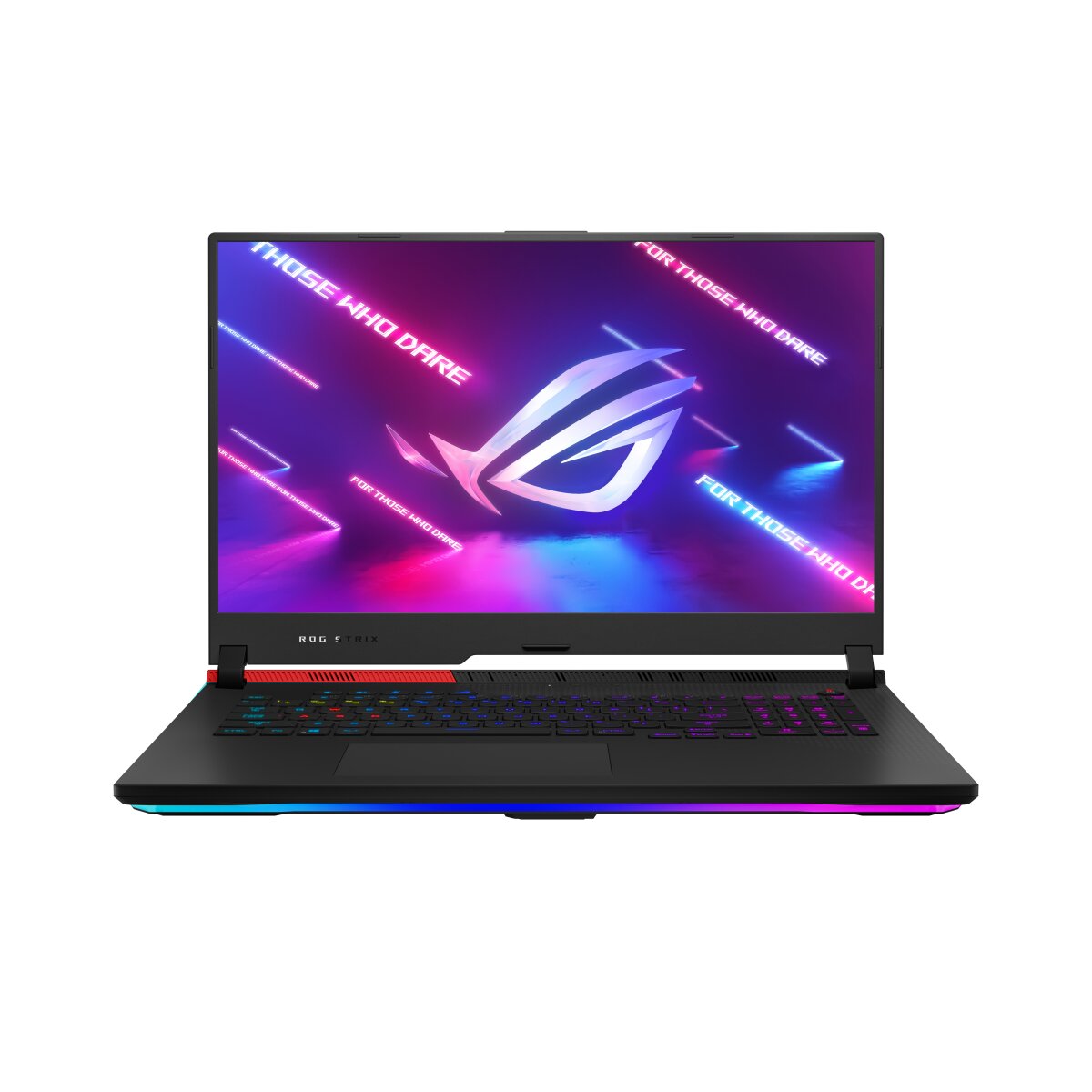




ASUS ROG Strix G17 G713QM-HG033T laptop features DDR4-SDRAM memory upgrade specifications. The notebook contains two SO-DIMM slots supporting a maximum RAM capacity of 32 GB. Compatible memory modules operate at 3200 MHz frequency. Upgrade options allow expansion of existing memory configuration within the SO-DIMM form factor constraints. Specifications define maximum memory capacity and compatible DDR4-SDRAM parameters for this gaming laptop model.
Memory Upgrade Specifications
| Specification | Value |
|---|---|
| Memory slots | 2x SO-DIMM |
| Form factor | SO-DIMM |
| Memory type | DDR4-SDRAM |
| Frequency | 3200 MHz |
| Maximum RAM | 32 GB |
| Voltage | 1.2V |
| Number of pins | 260-pin |
| Interface | PC4 |
| PC Speed Rating | PC4-3200 (PC4-25600) |
| Bandwidth | 25.6 GB/s |
| Laptop Release date | 03 November 2021 |
Additional Notes
- The ASUS ROG G713QM-HG033T requires SO-DIMM modules, which eliminates compatibility with standard DIMM desktop memory despite identical DDR4 technology and frequency ratings.
- The 32 GB ceiling reflects chipset or processor memory controller limitations rather than physical slot restrictions, preventing recognition of higher-capacity modules even when physically compatible.
- Dual-channel architecture remains accessible only when both slots contain identical capacity modules, as mismatched configurations force single-channel operation with reduced memory bandwidth.
- The 3200 MHz specification represents the maximum supported frequency, meaning faster modules will downclock automatically to this speed without performance penalty or system instability.
- Mixed-speed configurations default to the slowest module's frequency across both channels, eliminating any bandwidth advantage from higher-rated memory in the secondary slot.
- ECC SO-DIMM modules face rejection despite matching form factor and speed specifications, as consumer mobile platforms typically lack error-correction controller support.
- Voltage requirements default to standard 1.2V DDR4 operation, making low-voltage or overclocking-oriented modules with non-standard power demands incompatible with mobile power delivery systems.
- Physical clearance above installed modules may restrict heatspreader height, particularly with aftermarket cooling solutions or modified chassis configurations.
- Single-slot population forces single-channel mode regardless of module capacity, cutting theoretical memory bandwidth in half compared to dual-module configurations.
- JEDEC-standard timings receive priority in initialization sequences, potentially ignoring XMP profiles even when modules support faster advertised timings.
- User-accessible memory compartments preserve warranty validity during upgrades, unlike systems requiring full disassembly that may void manufacturer coverage.
- Module rank configuration affects maximum capacity per slot, as dual-rank 16 GB SO-DIMMs enable the 32 GB maximum while single-rank modules may face chipset addressing limitations.