ASUS ROG G713QM-HX016T RAM upgrade specifications
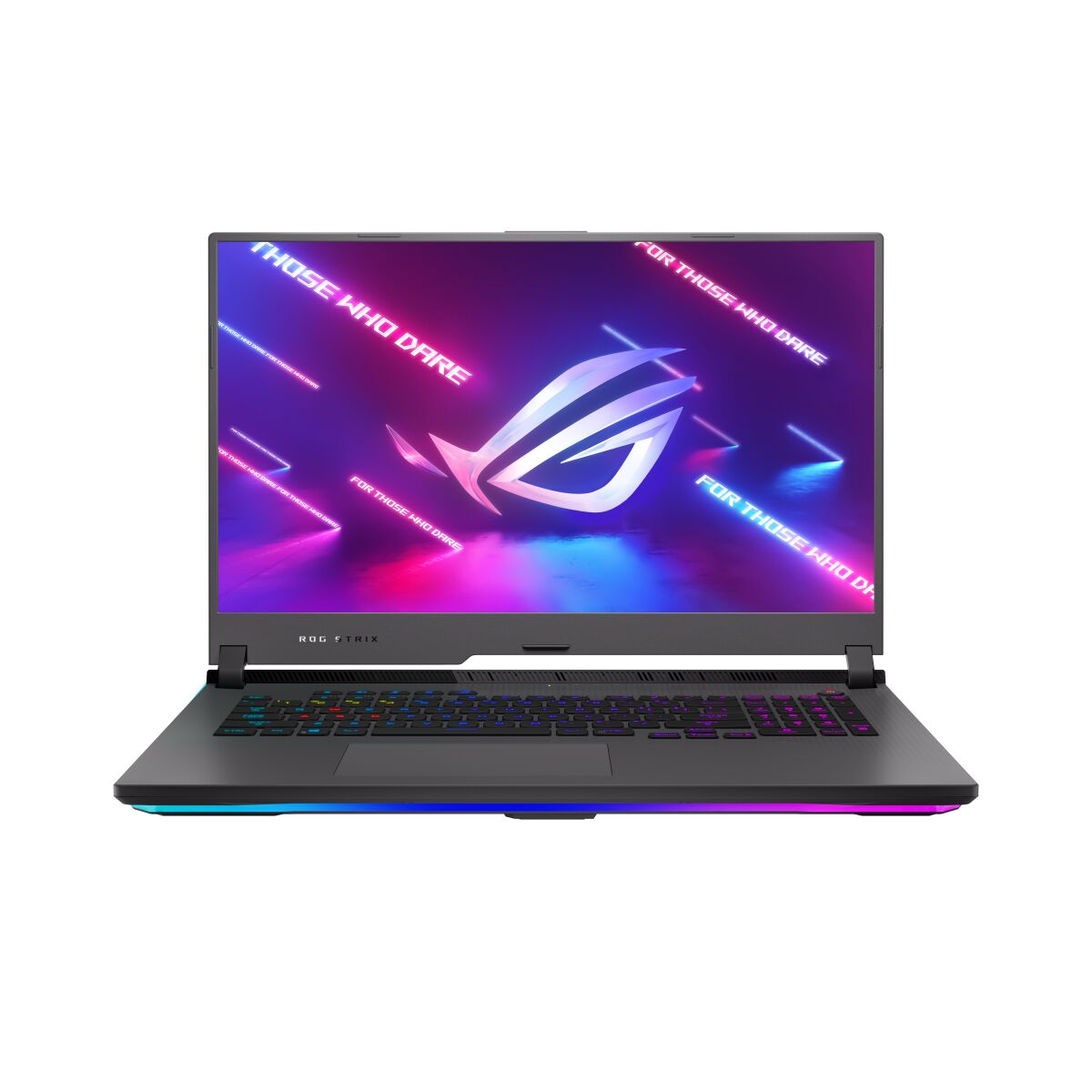



ASUS ROG Strix G17 model G713QM-HX016T supports DDR4-SDRAM memory upgrades via two SO-DIMM slots. The laptop specifications allow for maximum RAM capacity of 32 GB total, with compatible memory operating at 3200 MHz frequency. Current upgrade options accommodate SO-DIMM form factor modules, enabling users to expand the system's memory capacity for enhanced multitasking and gaming performance.
Memory Upgrade Specifications
| Specification | Value |
|---|---|
| Memory slots | 2x SO-DIMM |
| Form factor | SO-DIMM |
| Memory type | DDR4-SDRAM |
| Frequency | 3200 MHz |
| Maximum RAM | 32 GB |
| Voltage | 1.2V |
| Number of pins | 260-pin |
| Interface | PC4 |
| PC Speed Rating | PC4-3200 (PC4-25600) |
| Bandwidth | 25.6 GB/s |
| Laptop Release date | 16 April 2021 |
Additional Notes
- The ASUS ROG G713QM-HX016T utilizes SO-DIMM modules rather than standard DIMMs, requiring physically smaller memory components with 260 pins specific to mobile platforms.
- The 32 GB maximum capacity constraint indicates chipset-level addressing limitations that prevent recognition of higher-density modules even if physically compatible.
- DDR4-3200 represents the baseline specification, though AMD Ryzen 5000 series processors in this chassis can support higher frequencies through overclocking profiles if the motherboard permits SPD adjustments.
- Dual-channel architecture across 2 slots necessitates matched module pairs for optimal bandwidth utilization, as asymmetric configurations force the memory controller into single-channel mode for mismatched portions.
- The absence of ECC support in standard DDR4-SDRAM means bit-flip errors remain undetected, though consumer workloads rarely encounter data corruption from cosmic ray events.
- Accessing SO-DIMM slots typically requires bottom panel removal rather than dedicated access doors, potentially voiding seals that manufacturers use to track unauthorized maintenance.
- JEDEC-standard DDR4-3200 operates at 1.2 volts, while XMP-enabled modules may require voltage adjustments that some laptop BIOSes restrict to prevent thermal envelope violations.
- Single-rank versus dual-rank module topology affects memory interleaving performance, with dual-rank configurations providing superior bandwidth in applications that benefit from increased bank availability.
- Temperature throttling becomes relevant in dense SO-DIMM configurations without dedicated airflow paths, as gaming laptops prioritize GPU and CPU cooling over memory thermal management.
- Mixing modules from different manufacturers introduces timing compatibility risks despite identical speed ratings, as secondary and tertiary timing parameters vary between DRAM chip suppliers.