ASUS ROG G713QM-HX038T RAM upgrade specifications




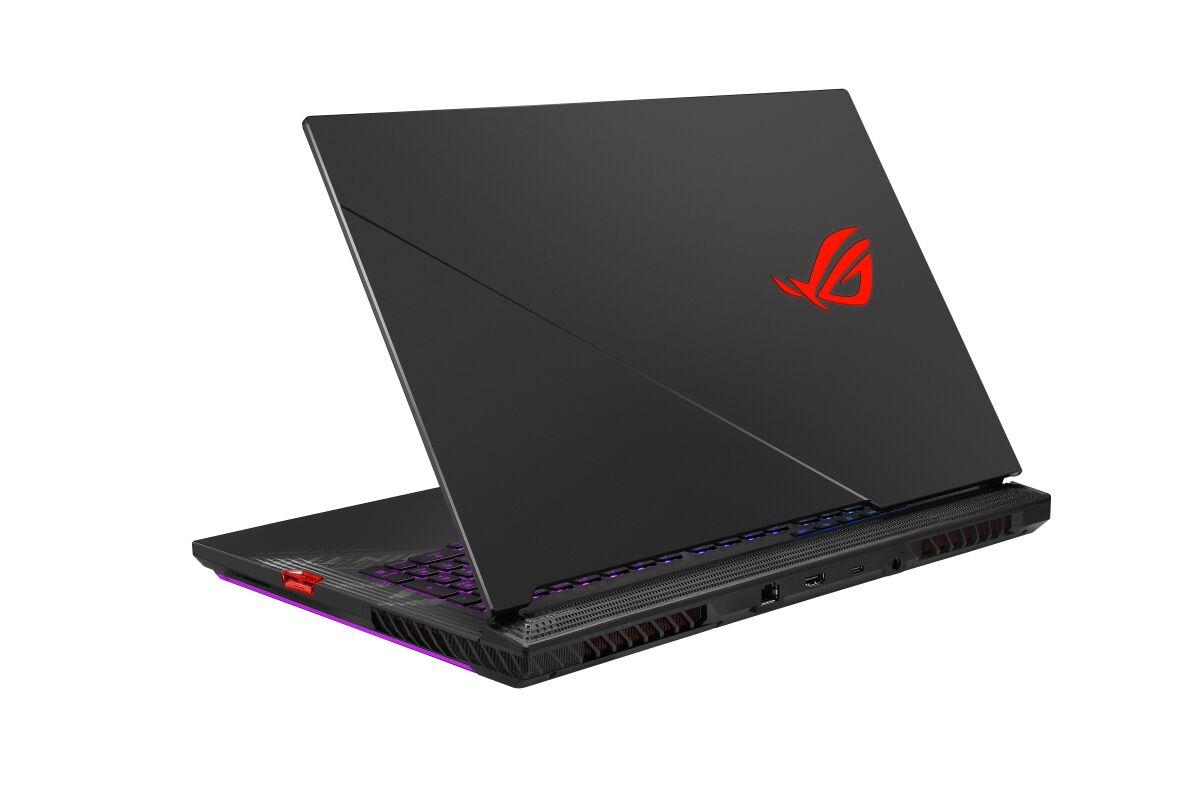
ASUS ROG Strix G17 G713QM-HX038T laptop memory upgrade specifications. Equipped with DDR4-SDRAM memory operating at 3200 MHz. The system contains 2 SO-DIMM memory slots, supporting maximum capacity of 32 GB RAM. Compatible upgrades utilize SO-DIMM form factor modules. Current memory configuration and maximum capacity specifications enable performance optimization through RAM expansion. Upgrade compatibility limited to DDR4-SDRAM modules meeting frequency specifications.
Memory Upgrade Specifications
| Specification | Value |
|---|---|
| Memory slots | 2x SO-DIMM |
| Form factor | SO-DIMM |
| Memory type | DDR4-SDRAM |
| Frequency | 3200 MHz |
| Maximum RAM | 32 GB |
| Voltage | 1.2V |
| Number of pins | 260-pin |
| Interface | PC4 |
| PC Speed Rating | PC4-3200 (PC4-25600) |
| Bandwidth | 25.6 GB/s |
| Laptop Release date | 25 December 2020 |
Additional Notes
- The ASUS ROG G713QM-HX038T accepts only DDR4 modules, precluding any future migration to DDR5 technology without replacing the entire system.
- The 32 GB ceiling requires each SO-DIMM slot to accommodate a maximum 16 GB module, as the dual-slot configuration cannot support higher-density individual sticks.
- Memory rated below 3200 MHz will function but operate at its native lower speed, potentially creating bandwidth asymmetry if mixed with properly rated modules.
- Installing modules faster than 3200 MHz results in automatic downclocking to the system's maximum supported frequency, eliminating any performance benefit from premium-priced high-speed kits.
- SO-DIMM form factor modules measure 67.6 mm in length compared to standard DIMM's 133.35 mm, making desktop memory physically incompatible regardless of specification matches.
- Accessing the memory slots typically requires bottom panel removal, which may involve breaking factory seals on units still covered under manufacturer warranty terms.
- Mixing modules with different latency timings forces the memory controller to adopt the slowest common timing across all installed sticks, degrading overall performance.
- Single-channel operation using only one populated slot reduces memory bandwidth by approximately 50 percent compared to dual-channel configurations utilizing both slots.
- The 3200 MHz specification indicates JEDEC standard operation rather than overclocked XMP profiles, ensuring stability without BIOS intervention.
- Voltage requirements for DDR4-3200 SO-DIMM modules standardize at 1.2V, with higher-voltage modules potentially causing thermal throttling in confined laptop chassis environments.