ASUS ROG G713QM-HX063T RAM upgrade specifications
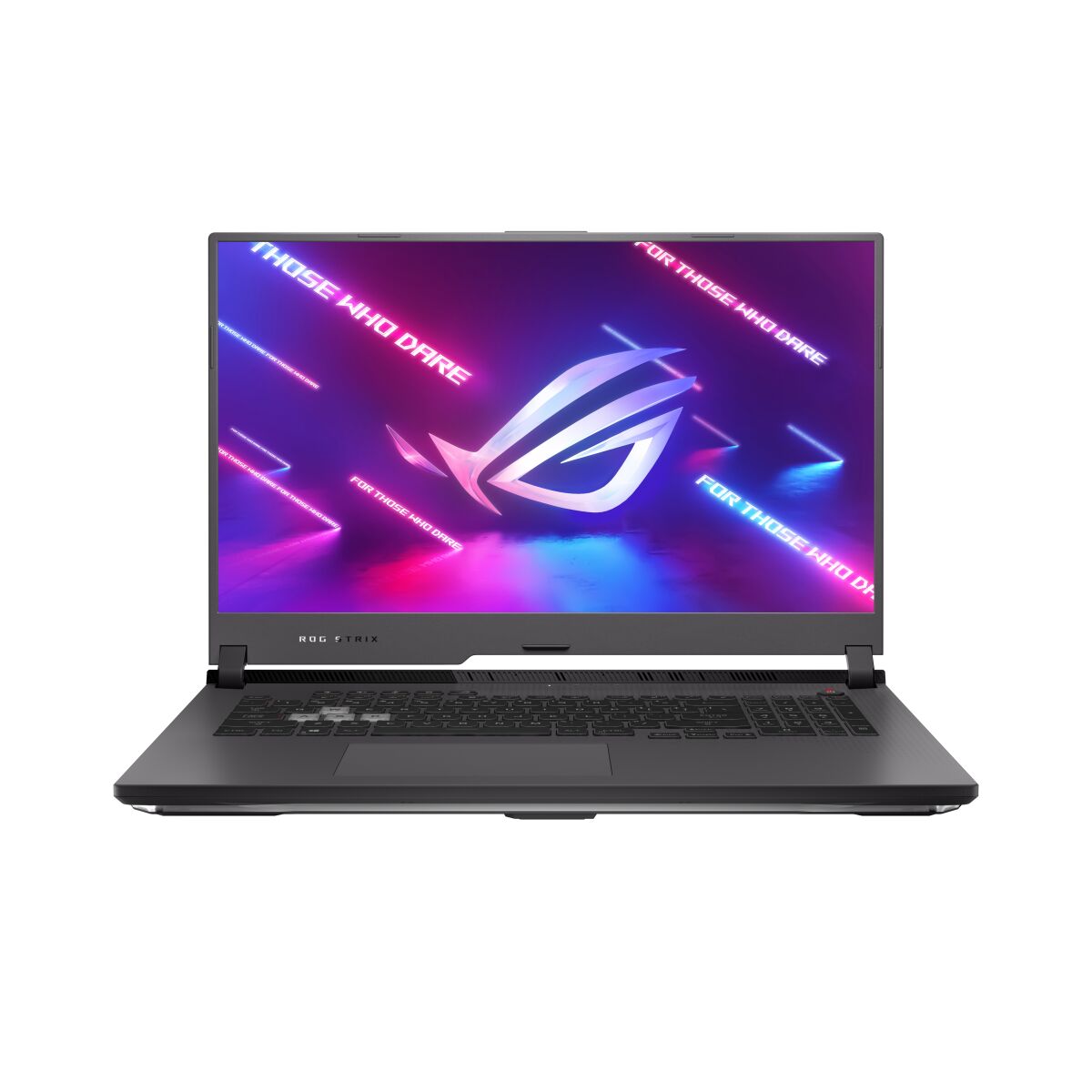
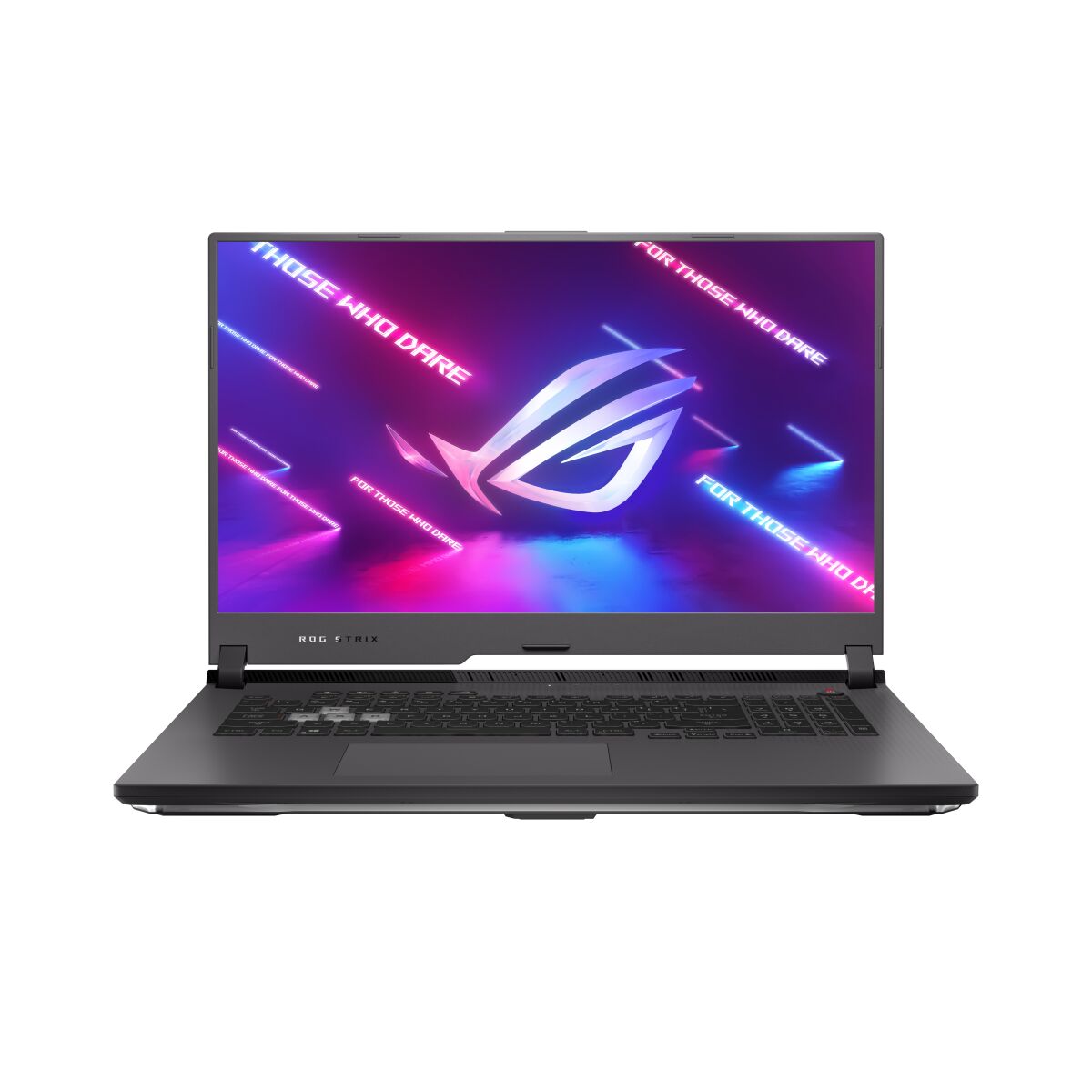
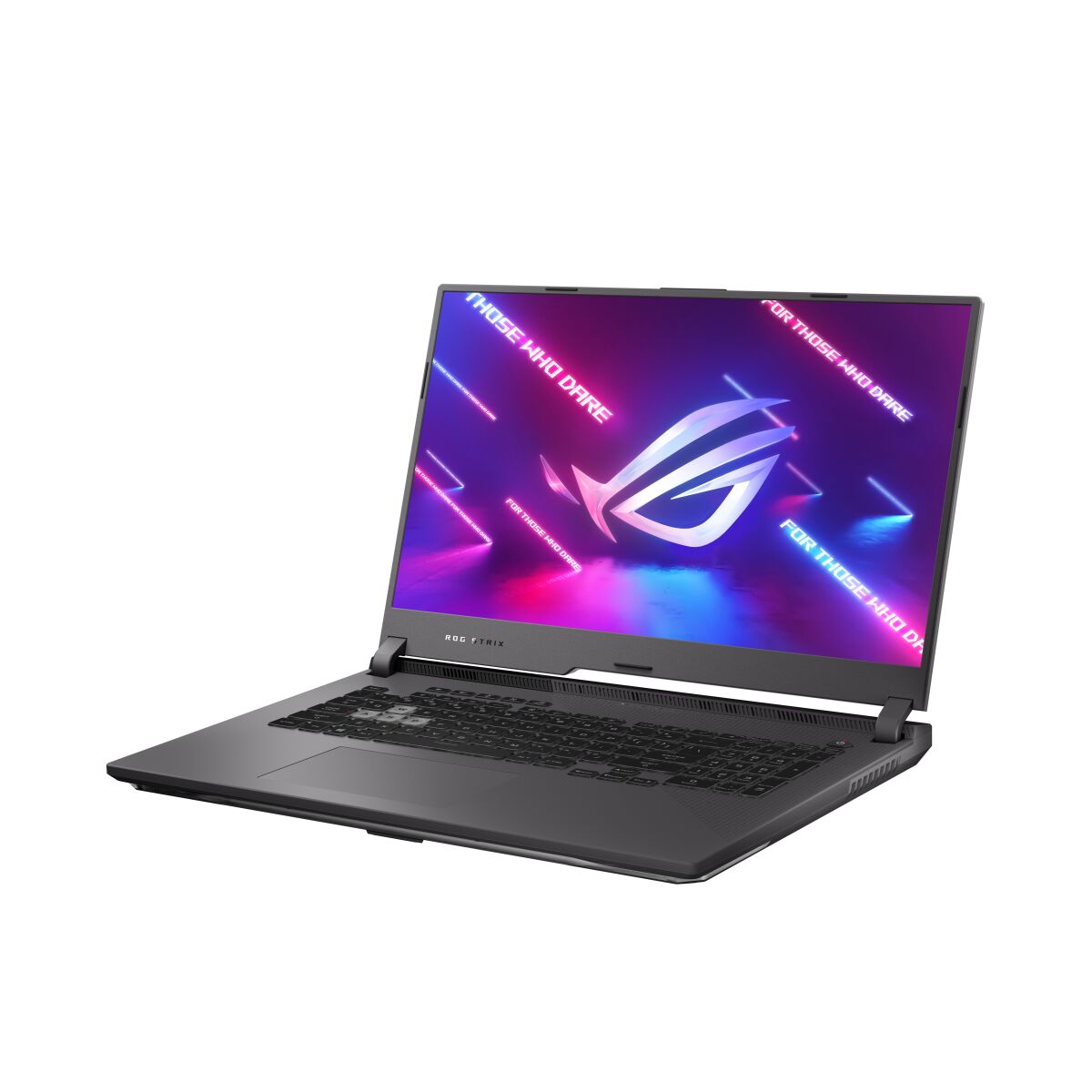
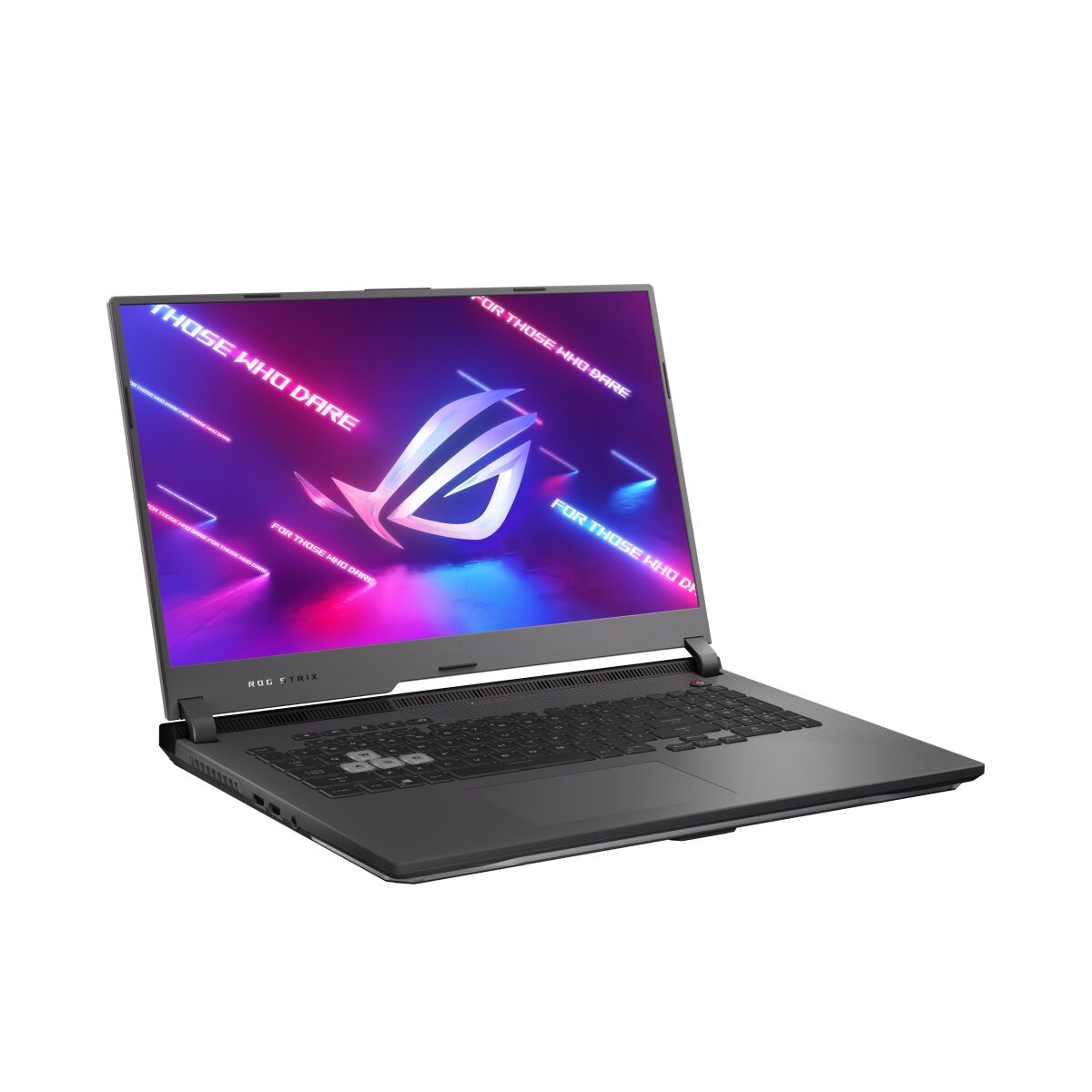

The ASUS ROG Strix G17 G713QM-HX063T features DDR4-SDRAM memory upgrade capabilities with two SO-DIMM slots supporting maximum capacity of 32 GB RAM. Compatible memory operates at 3200 MHz frequency. Specifications indicate SO-DIMM form factor for memory modules, enabling straightforward upgrade procedures for enhanced system performance on the Strix G17 gaming laptop series.
Memory Upgrade Specifications
| Specification | Value |
|---|---|
| Memory slots | 2x SO-DIMM |
| Form factor | SO-DIMM |
| Memory type | DDR4-SDRAM |
| Frequency | 3200 MHz |
| Maximum RAM | 32 GB |
| Voltage | 1.2V |
| Number of pins | 260-pin |
| Interface | PC4 |
| PC Speed Rating | PC4-3200 (PC4-25600) |
| Bandwidth | 25.6 GB/s |
| Laptop Release date | 28 December 2020 |
Additional Notes
- The ASUS ROG G713QM-HX063T utilizes DDR4 technology, which means DDR5 modules are physically and electrically incompatible with the memory controller.
- The 3200 MHz native frequency suggests pairing modules of identical speed ratings prevents one module from forcing the other to downclock to a lower transfer rate.
- SO-DIMM form factor indicates standard desktop DIMM modules cannot be installed due to different pin counts and physical dimensions.
- The 32 GB maximum capacity limitation originates from chipset or memory controller restrictions rather than physical slot availability.
- Installing a single module instead of matched pairs disables dual-channel operation, reducing memory bandwidth by approximately 50 percent.
- Mixing modules with different CAS latencies or voltage requirements may cause POST failures or force all modules to operate at the slowest common timings.
- The 2-slot configuration means upgrading to 32 GB requires replacing existing modules entirely if factory-installed RAM exceeds 16 GB total capacity.
- Non-standard voltage modules rated outside the DDR4 specification of 1.2V may trigger compatibility issues or require manual BIOS adjustments unavailable in locked firmware.
- Accessing the memory slots likely requires bottom panel removal, which may void warranty seals depending on regional consumer protection laws.
- ECC SO-DIMM modules are incompatible unless the AMD Ryzen chipset explicitly supports error-correcting code memory, which consumer-grade platforms typically do not.
- Exceeding the 3200 MHz specification through XMP profiles depends on whether the BIOS exposes overclocking controls for memory frequency adjustments.