ASUS ROG G713QM-HX173T RAM upgrade specifications
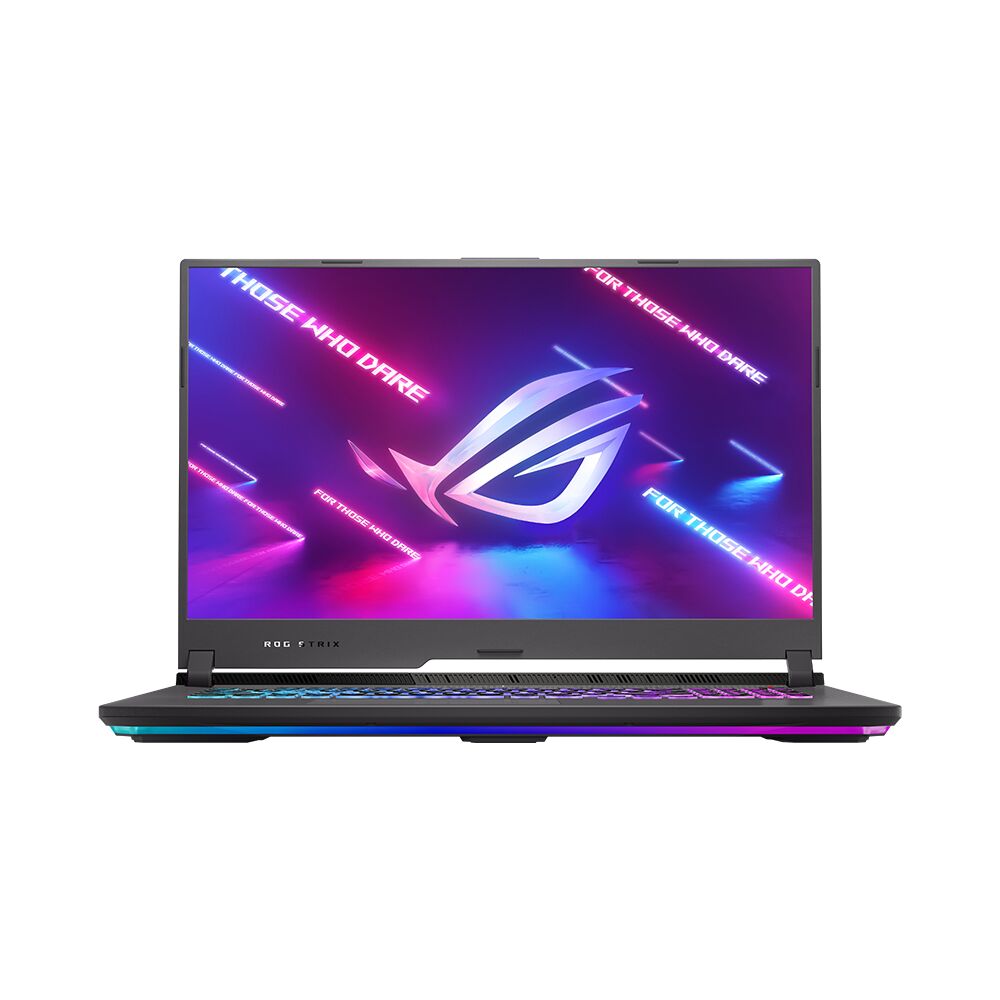
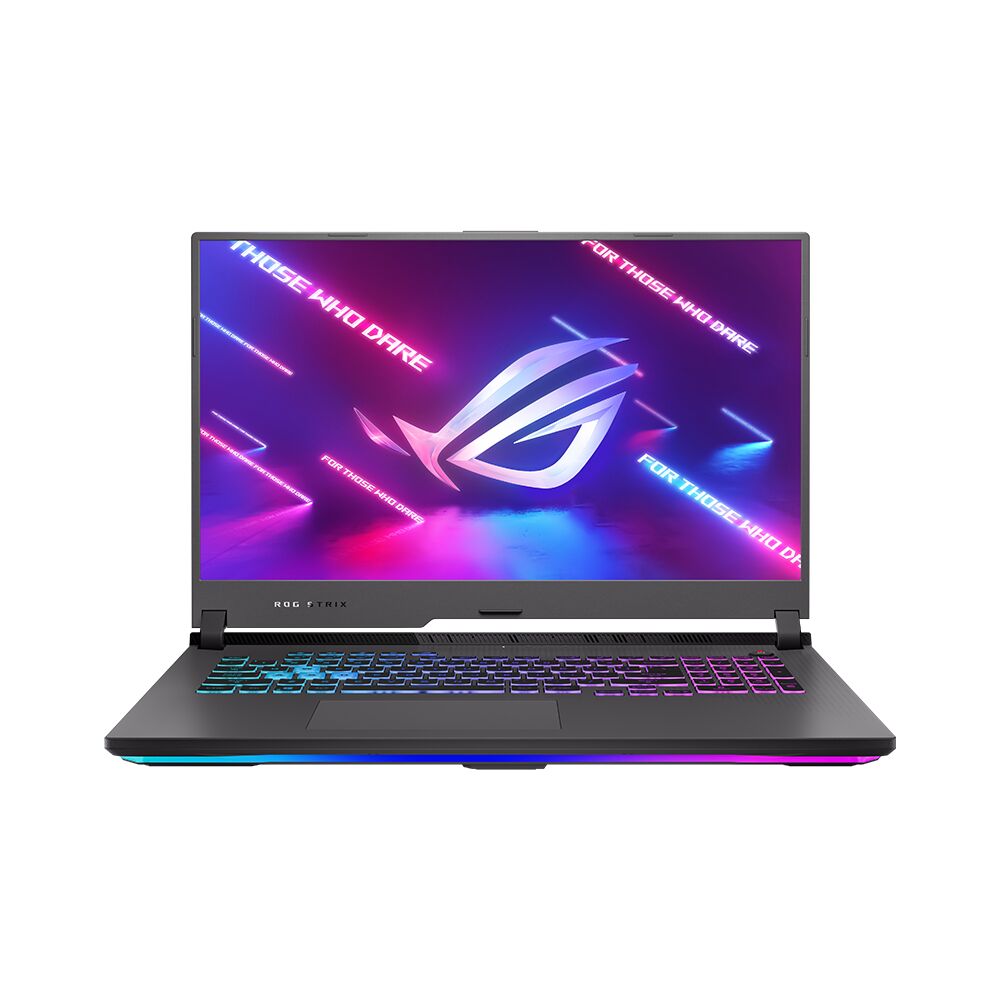
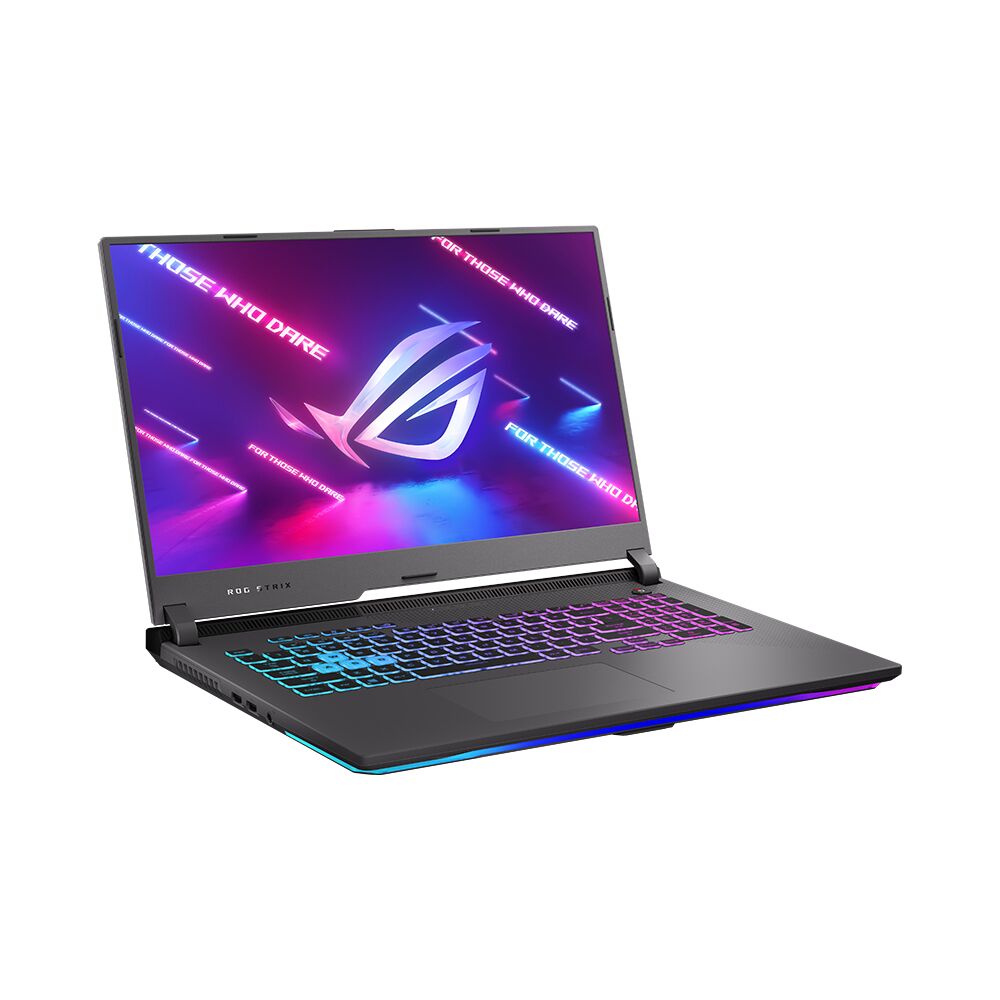
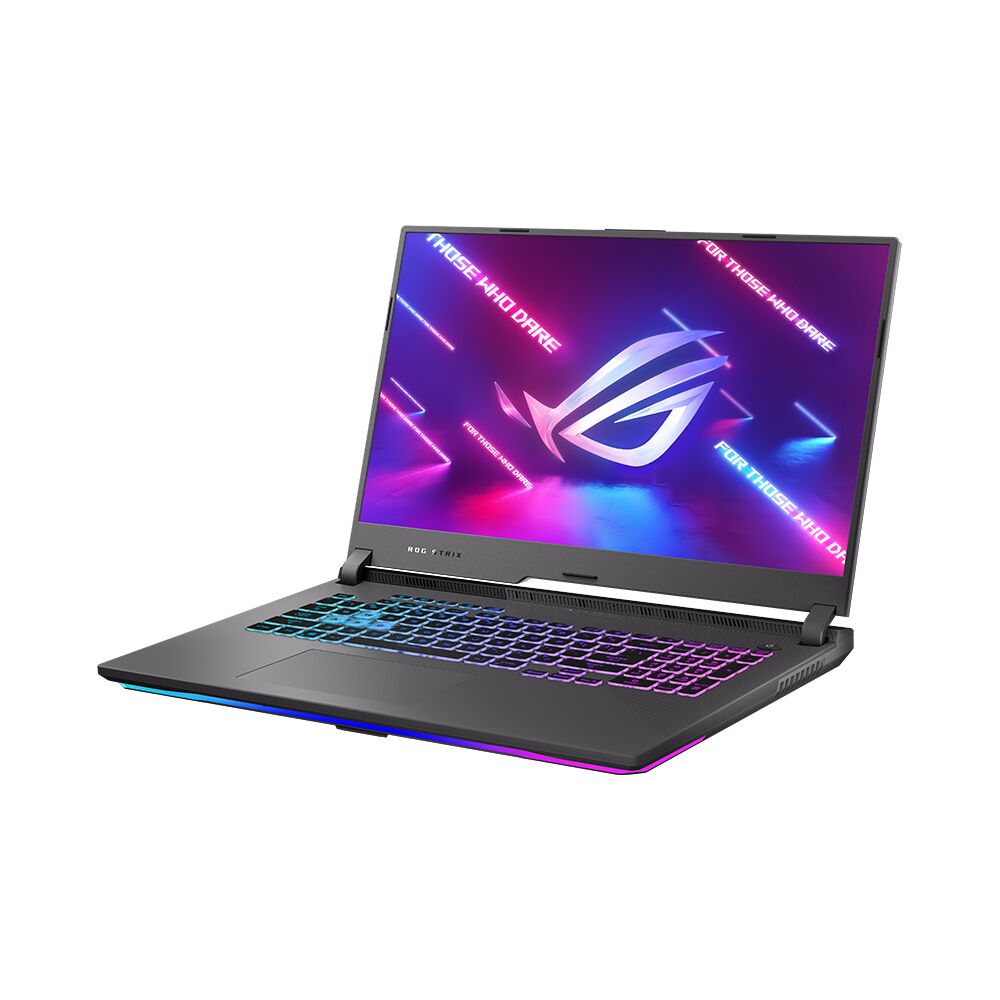
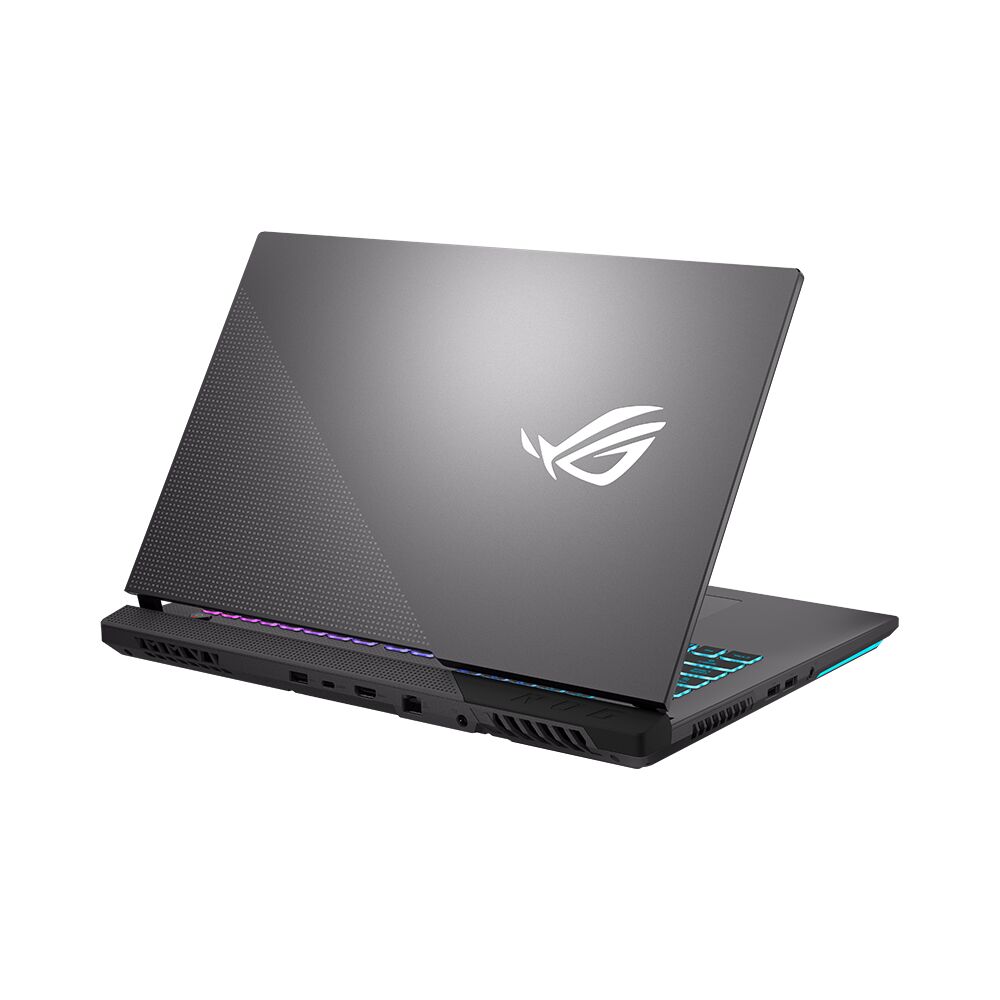
The ASUS ROG Strix G17 G713QM-HX173T laptop features DDR4-SDRAM memory with two SO-DIMM upgrade slots. Maximum supported RAM capacity reaches 32 GB total. Memory specifications include 3200 MHz frequency support. Upgrade slots accommodate standard SO-DIMM form factor modules. Compatible RAM upgrades must meet DDR4 specifications for this gaming laptop model.
Memory Upgrade Specifications
| Specification | Value |
|---|---|
| Memory slots | 2x SO-DIMM |
| Form factor | SO-DIMM |
| Memory type | DDR4-SDRAM |
| Frequency | 3200 MHz |
| Maximum RAM | 32 GB |
| Voltage | 1.2V |
| Number of pins | 260-pin |
| Interface | PC4 |
| PC Speed Rating | PC4-3200 (PC4-25600) |
| Bandwidth | 25.6 GB/s |
| Laptop Release date | 25 March 2021 |
Additional Notes
- The ASUS ROG G713QM-HX173T dual-channel architecture requires matched pairs for optimal bandwidth utilization, meaning single-stick installations will halve theoretical memory throughput to 25.6 GB/s instead of the full 51.2 GB/s available with dual-channel operation.
- Exceeding the 32 GB ceiling will likely trigger POST failures or force the system to downclock modules, as the chipset physically cannot address higher densities regardless of module availability in the market.
- Installing modules below 3200 MHz will cause the entire memory subsystem to synchronize at the lowest common frequency, creating a performance bottleneck for the AMD Ryzen processor's Infinity Fabric, which operates most efficiently at matching memory speeds.
- DDR4-3200 represents JEDEC standard timing, but the system BIOS may not expose XMP profile support, potentially leaving higher-binned modules running at their base specifications rather than advertised overclocked speeds.
- SO-DIMM modules with taller heat spreaders may physically interfere with internal components or chassis clearances, particularly in gaming laptops where thermal solutions occupy significant internal volume.
- Rank configuration matters for capacity planning: reaching 32 GB requires either 2x16 GB dual-rank modules or density limitations may prevent stable operation, as quad-rank configurations can stress the memory controller.
- Warranty preservation typically requires avoiding ESD damage during installation, meaning proper grounding procedures and avoiding contact with gold fingers becomes critical for maintaining manufacturer coverage.
- Mixing modules from different manufacturers or production batches introduces timing incompatibilities that may cause training failures during boot, even when specifications appear identical on paper.
- The 3200 MHz frequency operates at 1.2V standard voltage, and modules rated for higher voltages may not receive adequate power delivery or BIOS voltage controls, leading to instability.
- Access to SO-DIMM slots in this chassis design may require complete bottom panel removal rather than a dedicated service door, complicating upgrades and increasing risk of cable disconnection or screw stripping.