ASUS ROG G713QM-K4022T RAM upgrade specifications
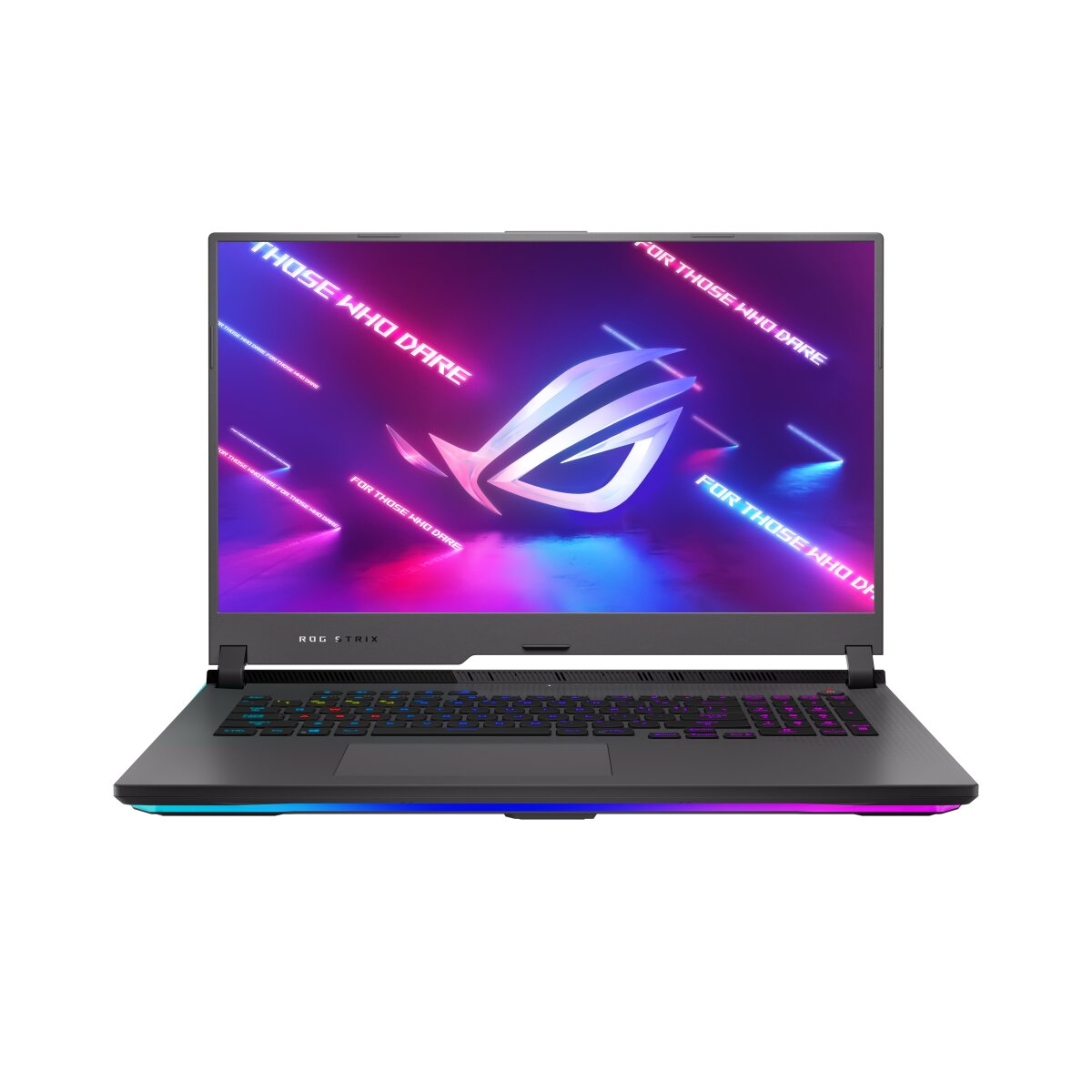
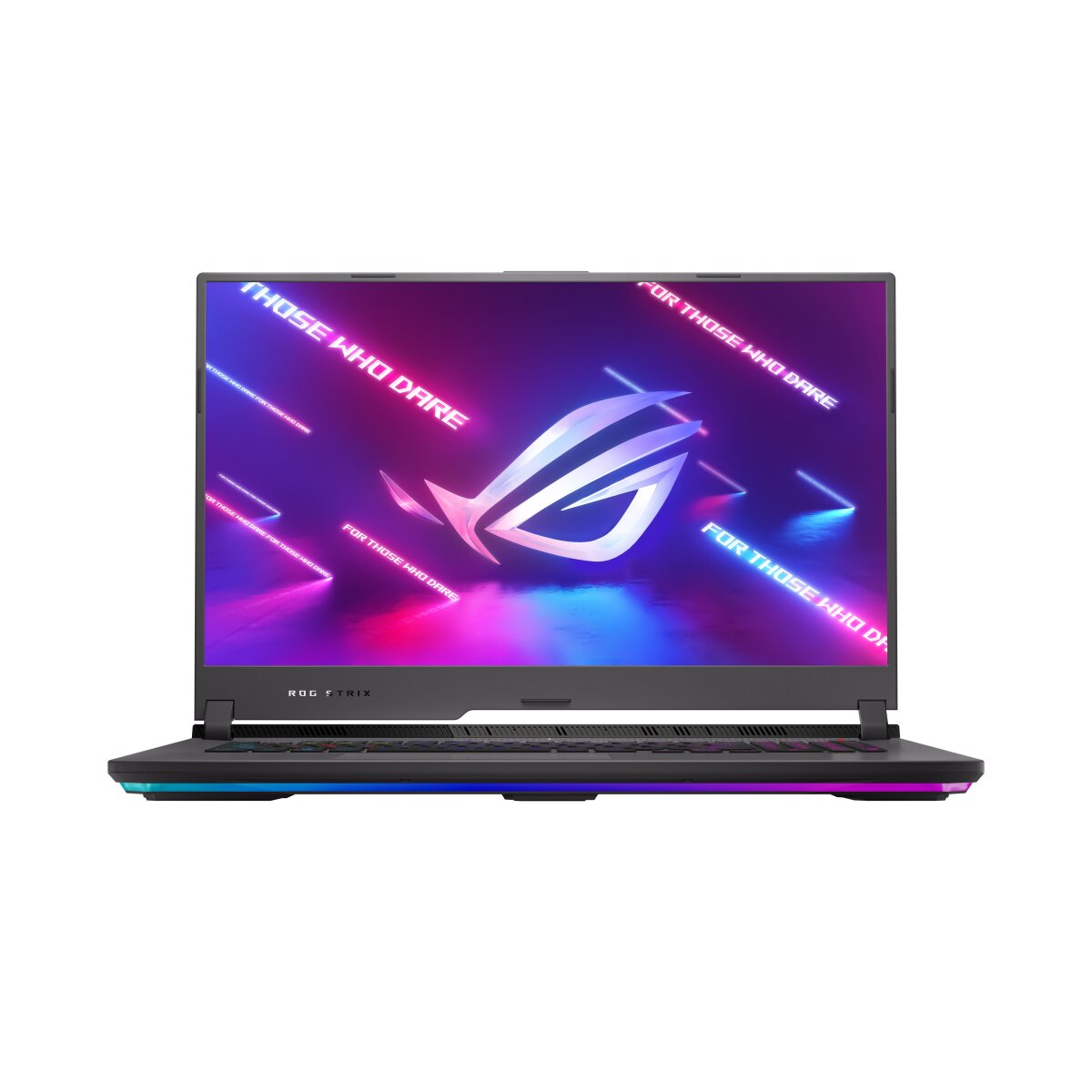



ASUS ROG Strix G17 G713QM-K4022T laptop features DDR4-SDRAM memory upgrade specifications with two SO-DIMM slots supporting maximum capacity of 32 GB RAM. Compatible memory modules operate at 3200 MHz frequency. The upgrade slots accommodate standard SO-DIMM form factor memory, enabling users to expand the laptop's memory configuration for enhanced multitasking performance and system responsiveness.
Memory Upgrade Specifications
| Specification | Value |
|---|---|
| Memory slots | 2x SO-DIMM |
| Form factor | SO-DIMM |
| Memory type | DDR4-SDRAM |
| Frequency | 3200 MHz |
| Maximum RAM | 32 GB |
| Voltage | 1.2V |
| Number of pins | 260-pin |
| Interface | PC4 |
| PC Speed Rating | PC4-3200 (PC4-25600) |
| Bandwidth | 25.6 GB/s |
| Laptop Release date | 25 April 2023 |
Additional Notes
- The ASUS ROG G713QM-K4022T contains 2 SO-DIMM slots, meaning both slots must be populated to achieve the 32 GB maximum capacity. Upgrading requires removal of existing modules rather than addition to a single vacant slot.
- DDR4-3200 MHz modules operate at standard JEDEC specifications for this generation. Third-party DDR4 SO-DIMM modules rated for 3200 MHz will function without BIOS configuration, though slightly faster bins (3600 MHz or higher) may downclock to native 3200 MHz depending on memory controller limitations.
- The SO-DIMM form factor imposes strict dimensional constraints. Standard laptop memory modules are the only compatible option; desktop DDR4 UDIMM or server RDIMM modules cannot be installed regardless of frequency compatibility.
- A dual-channel configuration across 2 slots delivers approximately twice the memory bandwidth of single-channel operation. Asymmetric population (mismatched module capacities or speeds) forces the memory controller to operate in reduced-performance mode.
- Upgrading from original modules to 32 GB totals requires simultaneous replacement of both DIMMs. The existing memory cannot be retained as secondary storage or repurposed within this system without leaving one slot vacant and forfeiting dual-channel benefits.
- Warranty protection typically covers RAM upgrades when performed by the end user without component damage. Mixing original OEM modules with aftermarket modules in a 2-slot system may trigger memory compatibility warnings at POST but remains functionally safe.