ASUS ROG G713QM-K4041 RAM upgrade specifications



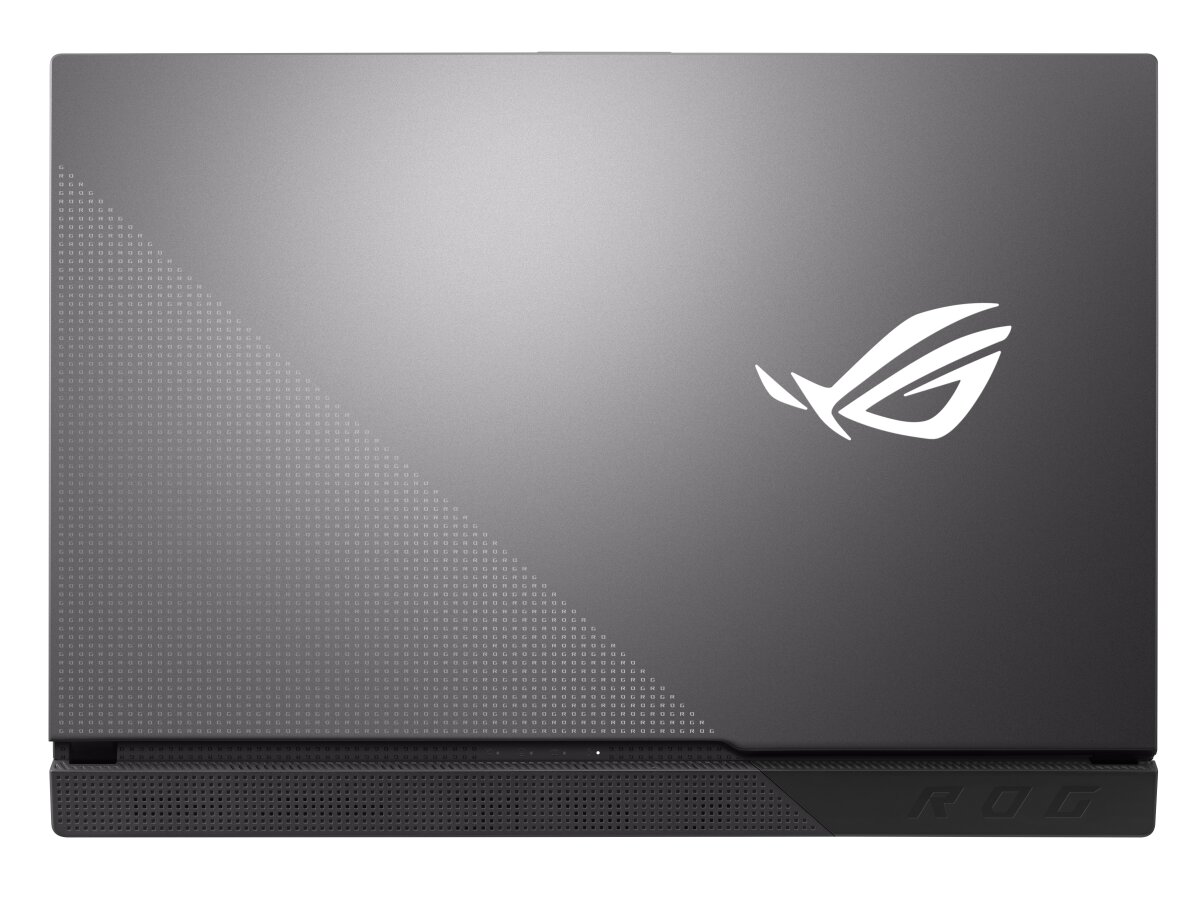

ASUS ROG Strix G17 G713QM-K4041 laptop features DDR4-SDRAM memory upgrade capabilities with 2x SO-DIMM slots supporting maximum RAM capacity of 32 GB. Compatible memory modules operate at 3200 MHz frequency with SO-DIMM form factor specifications. The upgrade slots accommodate standard DDR4 memory for enhanced system performance and multitasking capabilities.
Memory Upgrade Specifications
| Specification | Value |
|---|---|
| Memory slots | 2x SO-DIMM |
| Form factor | SO-DIMM |
| Memory type | DDR4-SDRAM |
| Frequency | 3200 MHz |
| Maximum RAM | 32 GB |
| Voltage | 1.2V |
| Number of pins | 260-pin |
| Interface | PC4 |
| PC Speed Rating | PC4-3200 (PC4-25600) |
| Bandwidth | 25.6 GB/s |
| Laptop Release date | 14 July 2021 |
Additional Notes
- The ASUS ROG G713QM-K4041 platform enforces a 32 GB ceiling due to chipset memory controller limitations, preventing recognition of higher-capacity module configurations even if physically installed.
- DDR4-3200 represents the maximum validated frequency for this system, as exceeding this specification may trigger automatic downclocking to JEDEC default speeds or cause POST failures.
- The 2-slot SO-DIMM configuration creates a binary upgrade decision: retaining one original module limits expansion to asymmetric configurations that disable dual-channel mode, while replacing both modules maintains bandwidth symmetry.
- Dual-channel operation requires matched module pairs with identical capacity and frequency to avoid reverting to single-channel mode, which halves theoretical memory bandwidth from 51.2 GB/s to 25.6 GB/s.
- SO-DIMM module height variations between standard and low-profile designs can interfere with cooling assemblies or chassis clearance in this form factor, particularly with aftermarket heat spreaders.
- Memory controller compatibility dictates DDR4 SDRAM exclusively, as DDR5 modules are physically and electrically incompatible despite sharing SO-DIMM form factor dimensions.
- Mixing modules with different CAS latencies forces all installed memory to operate at the highest latency value, degrading performance of faster modules to match slower specifications.
- The system lacks quad-channel memory support, rendering installations beyond 2 modules impossible regardless of theoretical slot availability in other platforms.
- Warranty preservation typically requires non-destructive access to memory slots without breaking factory seals on other chassis sections or removing permanently affixed components.
- Voltage mismatches between standard 1.2V DDR4 and alternative 1.35V or 1.5V modules can cause instability or outright incompatibility, as the memory controller expects JEDEC-standard operating voltage.