ASUS ROG G713QM-K4228T RAM upgrade specifications

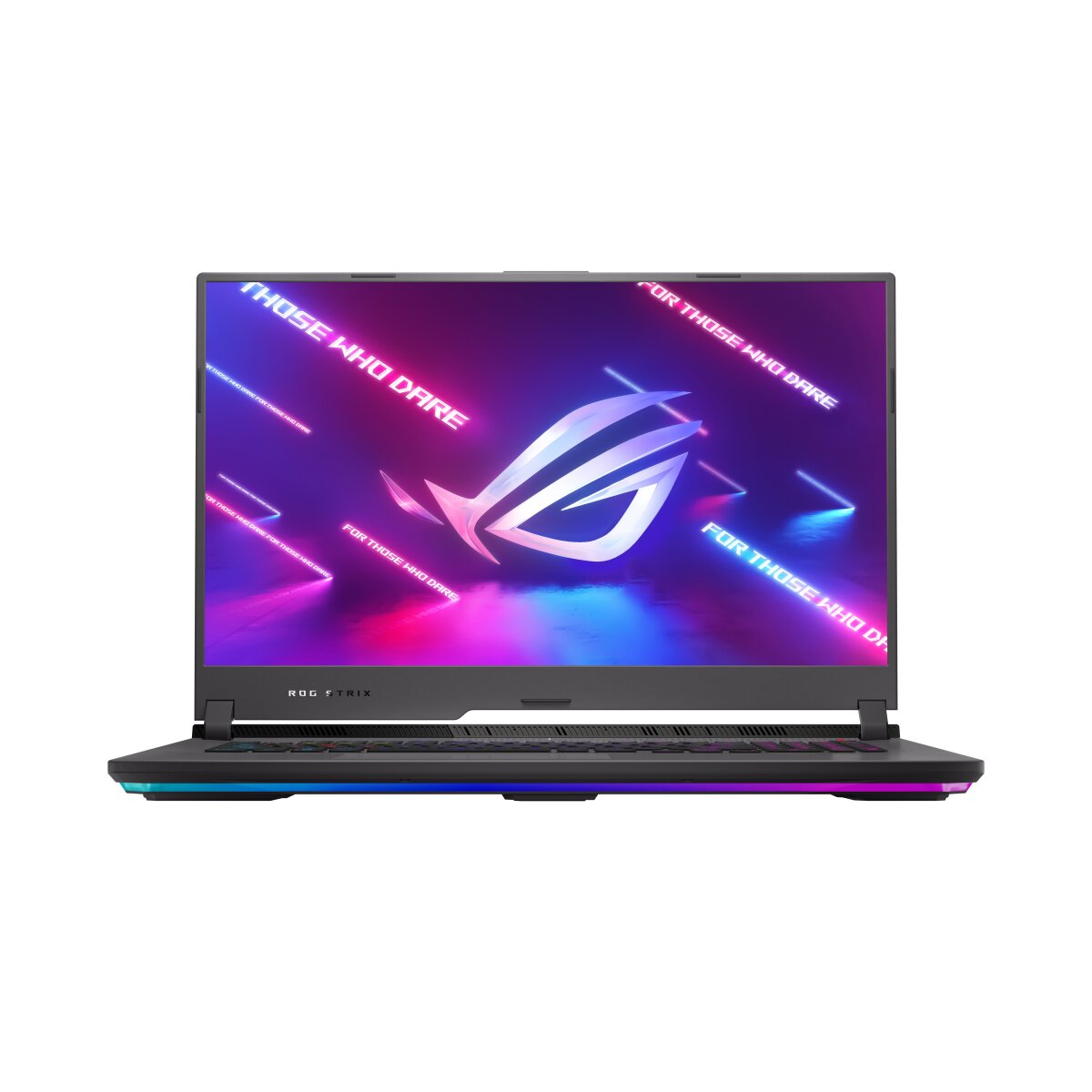



The ASUS ROG Strix G17 G713QM-K4228T laptop features DDR4-SDRAM memory with upgrade capacity to 32 GB maximum. The system contains 2x SO-DIMM slots for RAM expansion. Compatible memory modules operate at 3200 MHz frequency and utilize the SO-DIMM form factor. Specifications indicate the G713QM-K4228T supports dual-channel memory configuration for enhanced performance. Upgrades require DDR4-SDRAM modules matching the SO-DIMM standard and 3200 MHz specifications for optimal compatibility with the ROG Strix G17 series platform.
Memory Upgrade Specifications
| Specification | Value |
|---|---|
| Memory slots | 2x SO-DIMM |
| Form factor | SO-DIMM |
| Memory type | DDR4-SDRAM |
| Frequency | 3200 MHz |
| Maximum RAM | 32 GB |
| Voltage | 1.2V |
| Number of pins | 260-pin |
| Interface | PC4 |
| PC Speed Rating | PC4-3200 (PC4-25600) |
| Bandwidth | 25.6 GB/s |
| Laptop Release date | 08 January 2023 |
Additional Notes
- The ASUS ROG G713QM-K4228T uses standard SO-DIMM form factor modules, which measure 67.6 mm in length and require proper clearance within the chassis cavity during installation.
- DDR4-3200 operates at 1.2V nominal voltage, drawing less power than DDR3 while delivering higher bandwidth, though compatibility with higher-frequency modules results in automatic downclocking to 3200 MHz.
- The 32 GB maximum capacity limitation originates from the chipset's memory controller addressing capabilities, not the physical slot configuration.
- Dual SO-DIMM slots enable dual-channel memory configuration when populated with matched capacity modules, doubling theoretical memory bandwidth from 25.6 GB/s to 51.2 GB/s per channel.
- Installing unmatched module capacities forces single-channel operation or asymmetric dual-channel mode, creating performance penalties in memory-intensive applications and gaming scenarios.
- Non-ECC unbuffered SO-DIMMs represent the only compatible module type, as the mobile platform lacks error-correction circuitry and registered memory support.
- CAS latency variations between installed modules cause the memory controller to synchronize all modules to the highest latency value, potentially degrading response times.
- Accessing the memory compartment typically requires bottom panel removal, though specific disassembly procedures determine whether this action affects warranty coverage under regional consumer protection laws.
- Mixing modules from different manufacturers introduces timing incompatibilities that may prevent POST completion or cause system instability under sustained memory load.
- The 3200 MHz frequency operates within JEDEC specification, ensuring broad module compatibility without requiring XMP profile activation or BIOS configuration changes.
- Each occupied slot contributes to minor thermal output within the chassis, though SO-DIMM modules lack integrated heat spreaders found on desktop DIMM counterparts.
- Upgrading from soldered memory configurations proves impossible, but the SO-DIMM implementation allows field replacement and capacity scaling without specialized tools.