ASUS ROG G713QM-RS76 RAM upgrade specifications




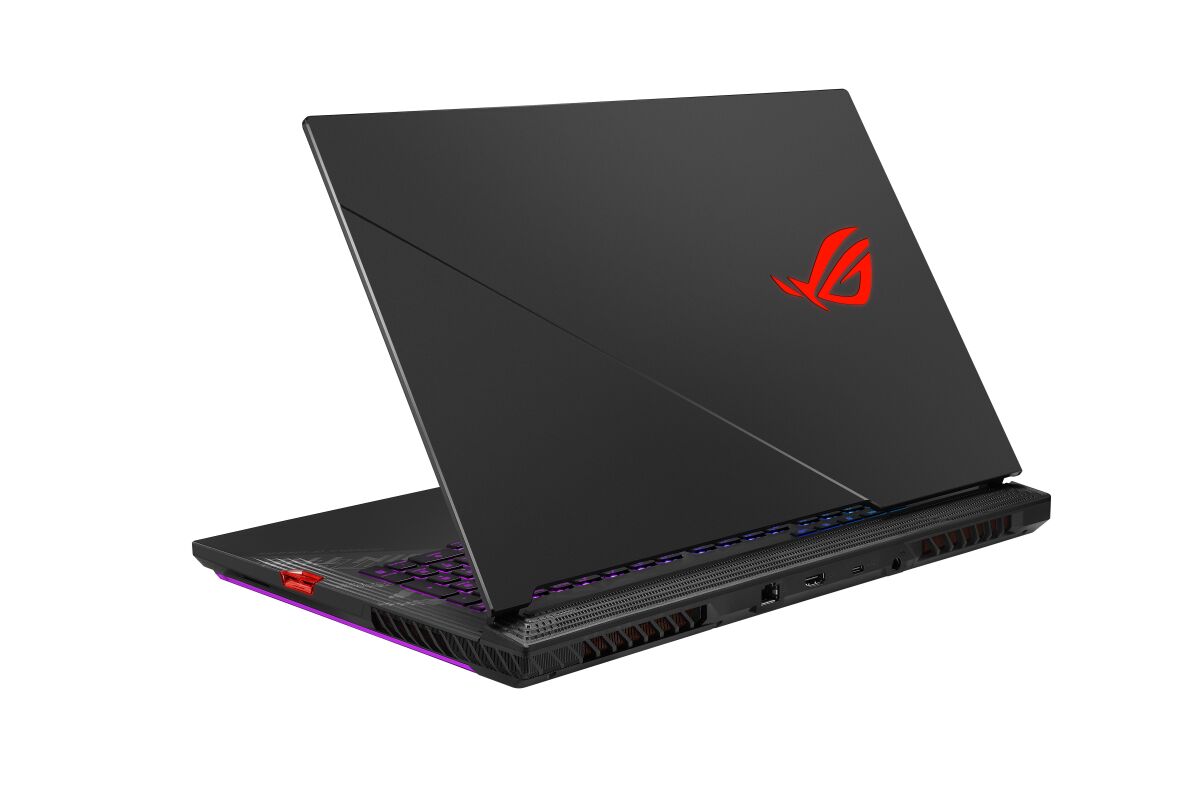
ASUS ROG Strix G17 model G713QM-RS76 features DDR4-SDRAM memory upgrade specifications with two SO-DIMM slots supporting maximum capacity of 32 GB total RAM. Compatible memory operates at 3200 MHz frequency. Upgrade slots accept standard SO-DIMM form factor modules. Specifications indicate dual-channel memory configuration with specifications allowing incremental capacity expansion through replacement or addition of compatible DDR4 modules to maximum supported capacity.
Memory Upgrade Specifications
| Specification | Value |
|---|---|
| Memory slots | 2x SO-DIMM |
| Form factor | SO-DIMM |
| Memory type | DDR4-SDRAM |
| Frequency | 3200 MHz |
| Maximum RAM | 32 GB |
| Voltage | 1.2V |
| Number of pins | 260-pin |
| Interface | PC4 |
| PC Speed Rating | PC4-3200 (PC4-25600) |
| Bandwidth | 25.6 GB/s |
| Laptop Release date | 07 March 2021 |
Additional Notes
- The ASUS ROG G713QM-RS76 accommodates only 2 memory slots, which means upgrade capacity is strictly limited to a maximum of 16 GB per slot; users cannot exceed 32 GB total regardless of future DDR4 pricing or availability improvements.
- DDR4-3200 memory operates at a standardized frequency, but upgrading to faster DDR4 variants (3600 MHz or higher) will downclock to 3200 MHz due to JEDEC limitations in this platform's memory controller, negating any performance gains from premium memory pricing.
- SO-DIMM form factor restricts upgrade options to laptop-grade modules only; desktop DDR4 DIMMs are physically incompatible and cannot be adapted, which eliminates cost advantages from bulk desktop memory markets.
- The 2-slot architecture requires both existing modules to be removed simultaneously during any capacity upgrade; single-slot additions are not possible, meaning full system memory replacement becomes the only path to increase capacity.
- Warranty coverage typically remains intact for memory upgrades since this platform uses industry-standard SO-DIMM modules without proprietary soldering or integrated circuit configurations; however, installation must follow manufacturer thermal and seating guidelines to avoid voiding coverage.
- Pairing mismatched memory capacities or frequencies across the 2 slots may trigger BIOS errors or force both modules into single-channel mode at reduced speed; identical module specifications are strongly recommended for stable dual-channel operation.