ASUS ROG G713QR-ES96 RAM upgrade specifications
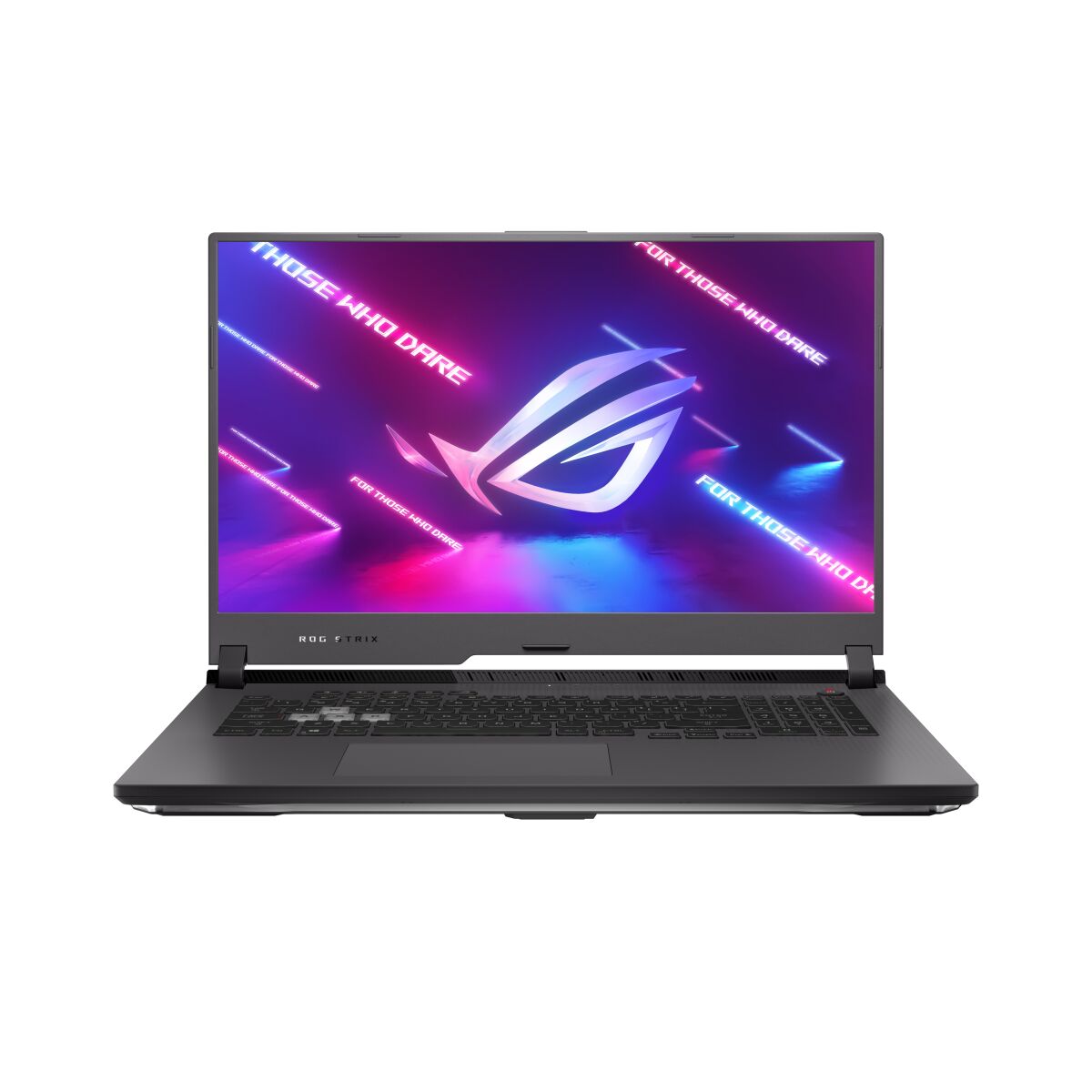

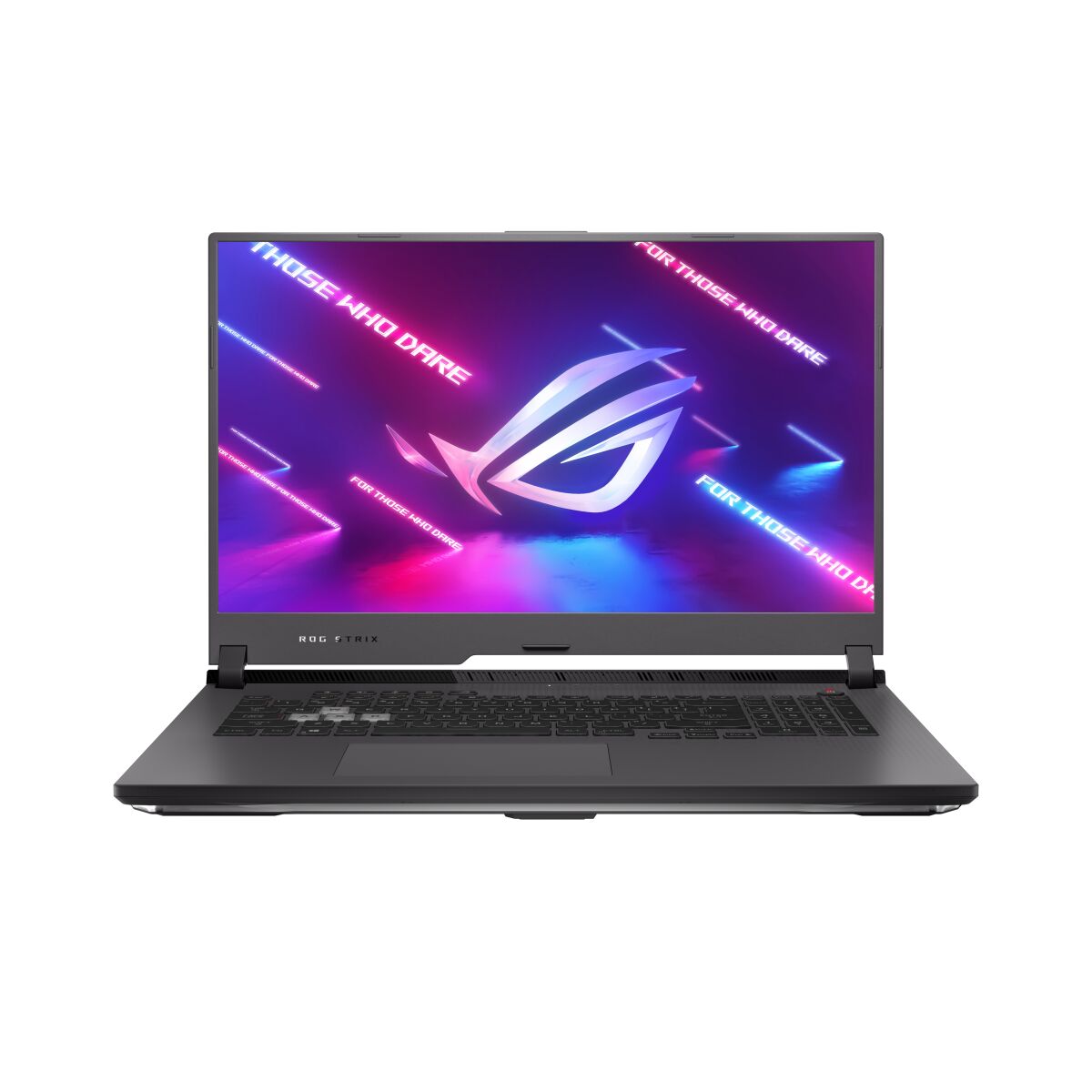


ASUS ROG Strix G17 model G713QR-ES96 supports DDR4-SDRAM memory upgrades through two SO-DIMM slots. Maximum compatible RAM capacity reaches 32 GB total. Memory specifications include 3200 MHz frequency operation. The laptop accommodates SO-DIMM form factor modules for memory expansion. Upgrade slots allow for installation of compatible DDR4 memory modules to enhance system performance specifications.
Memory Upgrade Specifications
| Specification | Value |
|---|---|
| Memory slots | 2x SO-DIMM |
| Form factor | SO-DIMM |
| Memory type | DDR4-SDRAM |
| Frequency | 3200 MHz |
| Maximum RAM | 32 GB |
| Voltage | 1.2V |
| Number of pins | 260-pin |
| Interface | PC4 |
| PC Speed Rating | PC4-3200 (PC4-25600) |
| Bandwidth | 25.6 GB/s |
| Laptop Release date | 04 January 2021 |
Additional Notes
- The ASUS ROG G713QR-ES96 employs a dual-channel SO-DIMM architecture, requiring matched pairs of modules to maintain optimal memory bandwidth for the Ryzen platform.
- The 32 GB maximum capacity reflects chipset limitations rather than physical slot constraints, preventing installation of higher-density modules beyond 16 GB per slot.
- DDR4-3200 represents the JEDEC standard speed for this configuration, though actual throughput depends on timings and rank configuration not specified in base specifications.
- SO-DIMM modules rated above 3200 MHz may downclock to specification limits unless XMP profiles are supported and enabled in BIOS.
- Access to memory slots typically requires bottom panel removal on this chassis design, with potential warranty implications if factory seals are broken during user installation.
- Single-rank versus dual-rank module selection affects interleaving efficiency, particularly relevant when populating both slots with 16 GB modules to reach maximum capacity.
- Mixing modules with different timings (CAS latency, tRCD, tRP) forces all DIMMs to operate at the slowest common denominator, degrading potential performance.
- The SO-DIMM form factor provides lower profile and reduced power consumption compared to desktop DIMM equivalents, critical for thermal management in mobile platforms.
- Upgrading from factory-installed capacity requires compatible voltage specifications, as DDR4 SO-DIMMs operate nominally at 1.2V with potential incompatibility if mixing standard and low-voltage variants.
- Memory controller integrated within the Ryzen CPU directly impacts stability when running at maximum supported frequencies, making validated module compatibility more critical than desktop implementations.