ASUS ROG G713QM-K4218T RAM upgrade specifications
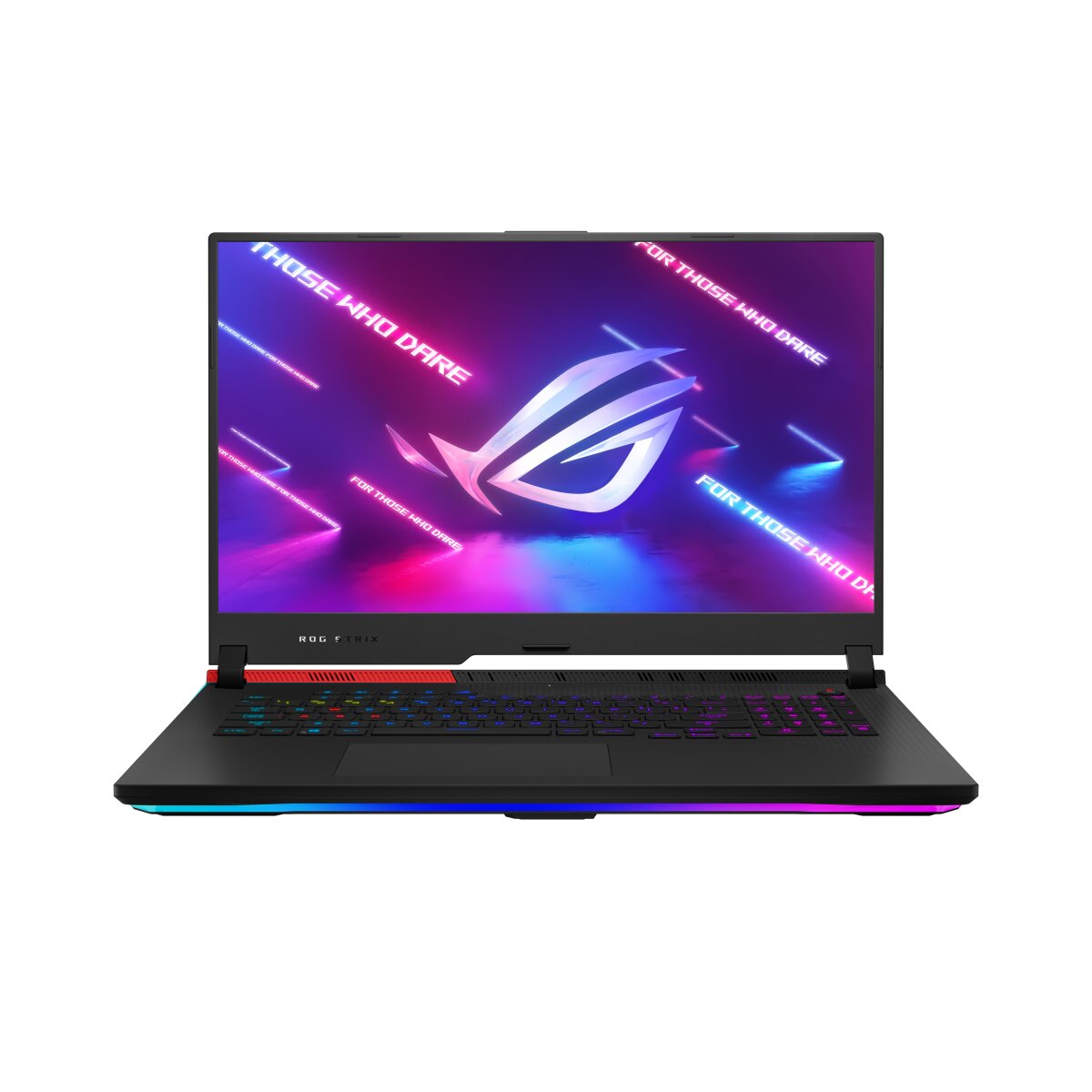


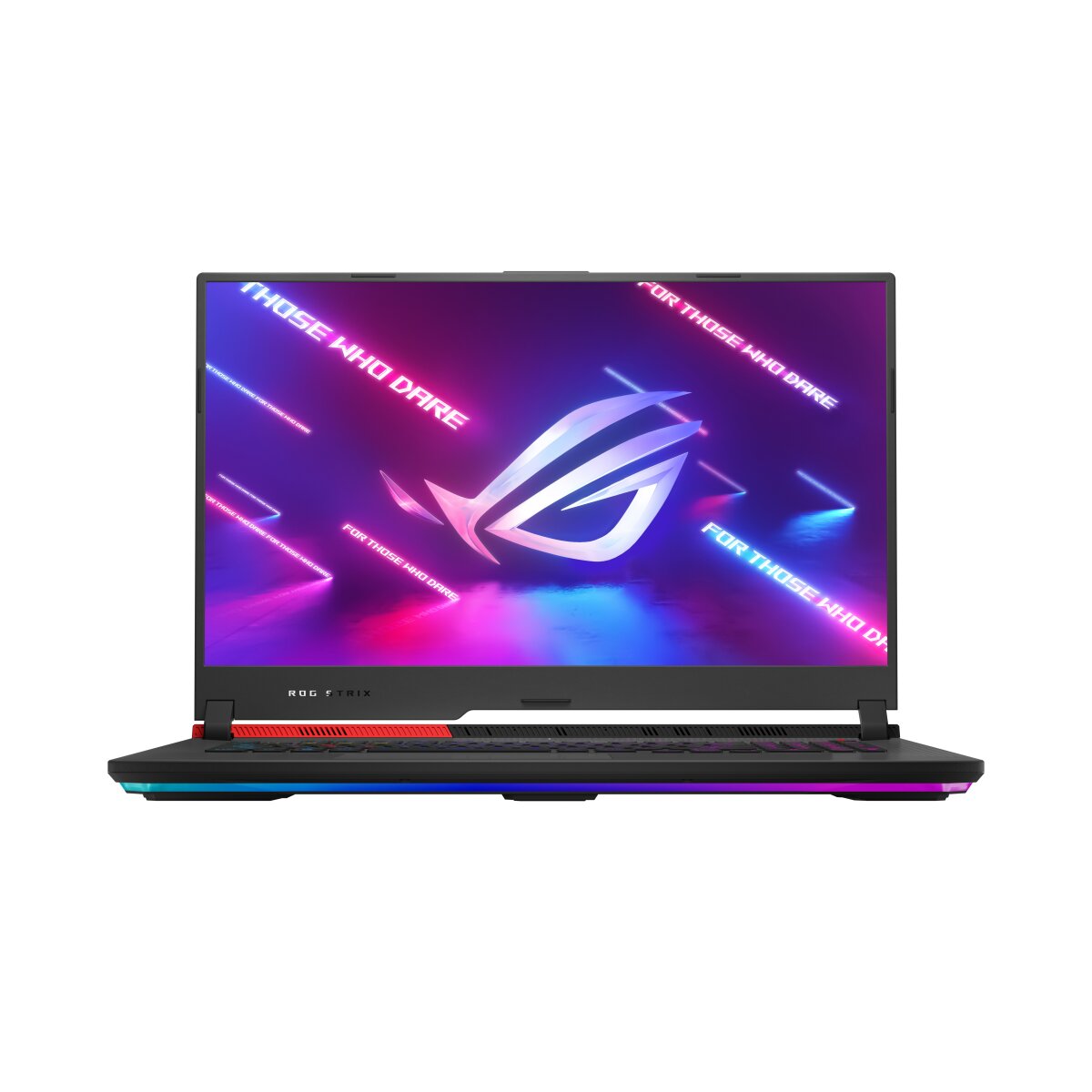

ASUS ROG Strix G17 G713QM-K4218T supports DDR4-SDRAM memory upgrades through dual SO-DIMM slots. Maximum memory capacity reaches 32 GB total. Compatible memory operates at 3200 MHz frequency. Specifications indicate SO-DIMM form factor for RAM modules. Upgrade options compatible with this gaming laptop model provide expandable memory configurations for enhanced system performance.
Memory Upgrade Specifications
| Specification | Value |
|---|---|
| Memory slots | 2x SO-DIMM |
| Form factor | SO-DIMM |
| Memory type | DDR4-SDRAM |
| Frequency | 3200 MHz |
| Maximum RAM | 32 GB |
| Voltage | 1.2V |
| Number of pins | 260-pin |
| Interface | PC4 |
| PC Speed Rating | PC4-3200 (PC4-25600) |
| Bandwidth | 25.6 GB/s |
| Laptop Release date | 20 October 2021 |
Additional Notes
- The ASUS ROG G713QM-K4218T motherboard architecture limits total system memory to 32 GB across both slots, constraining users requiring larger datasets or extensive virtual machine configurations to 16 GB modules as the maximum practical installation.
- DDR4-3200 represents the native speed ceiling for this system's memory controller, meaning modules rated at higher frequencies such as 3600 MHz or 4000 MHz will downclock to 3200 MHz regardless of their rated specifications.
- The SO-DIMM form factor requirement excludes standard desktop DIMM modules entirely due to physical connector incompatibility, necessitating laptop-specific memory purchases which typically carry different pricing structures than desktop equivalents.
- Dual-channel memory configuration becomes available only when both SO-DIMM slots contain matched capacity modules, as asymmetric installations will force single-channel operation for the entire installed capacity or operate in flex mode with reduced bandwidth.
- CAS latency timings at the 3200 MHz frequency band typically range from CL20 to CL22 for consumer-grade modules, with tighter timings potentially improving frame pacing in GPU-constrained gaming scenarios though margin gains remain application-dependent.
- Voltage specification for DDR4-3200 SO-DIMM modules standardizes at 1.2V, making XMP profile modules rated for 1.35V or higher incompatible with most laptop BIOS implementations that lack voltage adjustment capabilities.
- Thermal constraints within the laptop chassis may throttle memory performance under sustained workloads, particularly when both slots operate at maximum 16 GB density with heat transfer dependent on chassis airflow rather than dedicated module heatspreaders.
- Operating system limitations apply separately from hardware constraints, as 32-bit Windows installations will address only approximately 3.5 GB regardless of physical installation, requiring 64-bit operating system architecture to utilize the full 32 GB capacity.
- Rank configuration affects compatibility, with dual-rank 16 GB SO-DIMM modules potentially encountering stability issues on some AMD Ryzen mobile platforms when populating both slots, favoring single-rank module selection for maximum compatibility assurance.
- Manufacturer warranty terms typically permit user-accessible memory upgrades without voiding coverage, though physical damage to SO-DIMM slots during installation or use of non-JEDEC compliant modules may create service claim complications.