ASUS ROG G713QM-HX273T RAM upgrade specifications
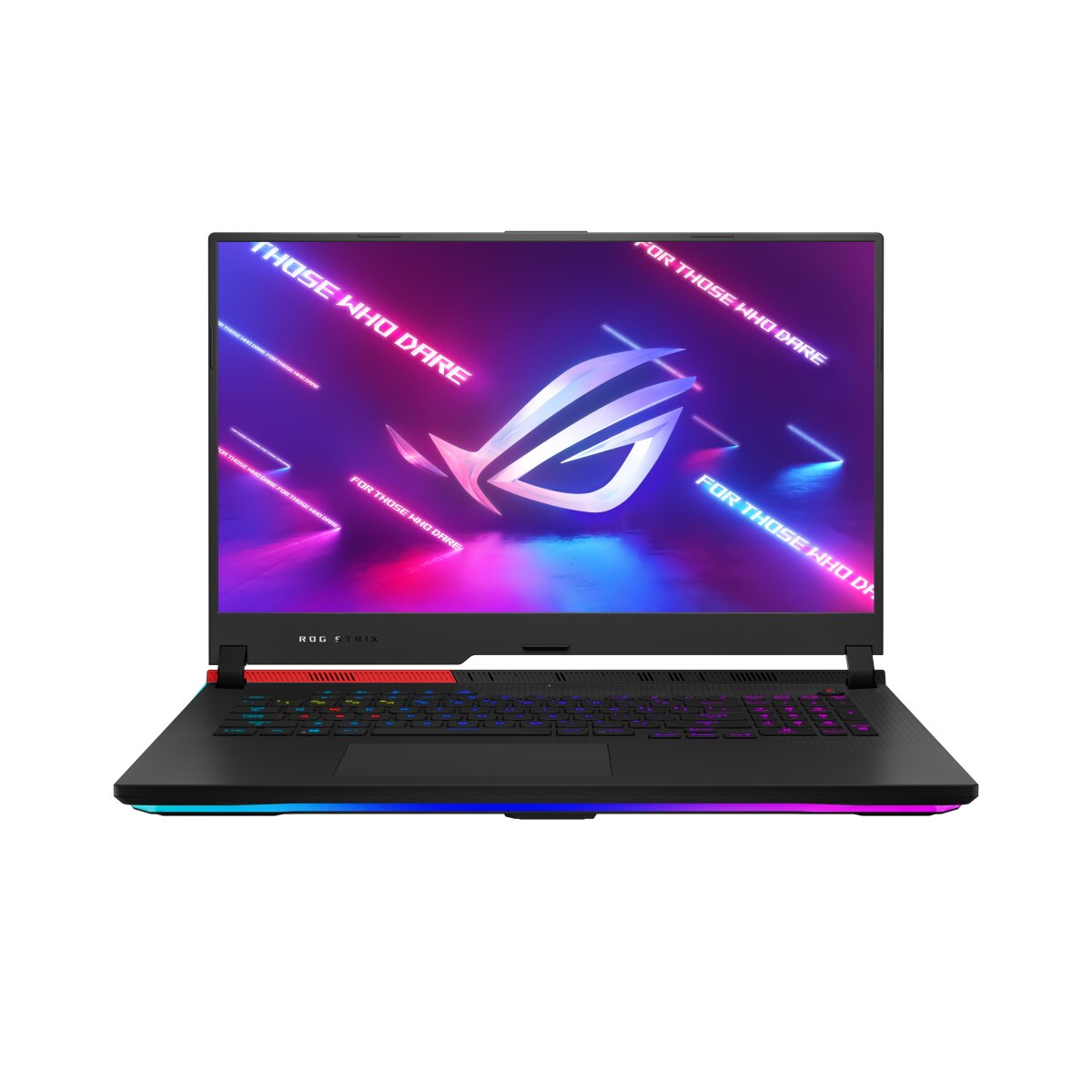


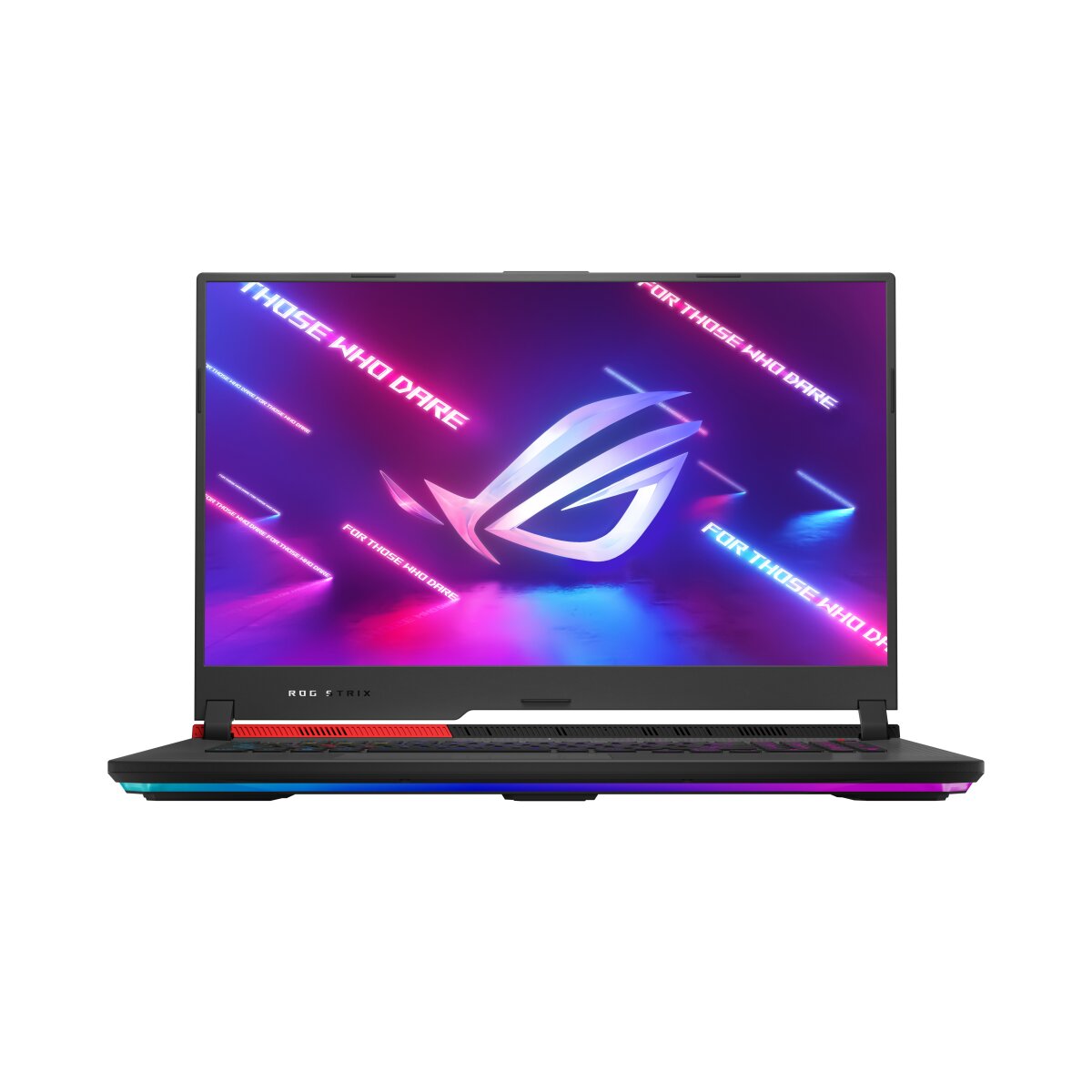

ASUS ROG Strix G17 G713QM-HX273T laptop memory upgrade specifications indicate DDR4-SDRAM compatible RAM modules. The system features two SO-DIMM slots supporting maximum capacity of 32 GB total memory. Upgrade specifications require DDR4 modules operating at 3200 MHz frequency. Compatible RAM modules utilize SO-DIMM form factor for this gaming laptop series. Current memory slots accept standard DDR4-SDRAM upgrades, allowing users to expand system memory up to the specified 32 GB maximum capacity for enhanced performance.
Memory Upgrade Specifications
| Specification | Value |
|---|---|
| Memory slots | 2x SO-DIMM |
| Form factor | SO-DIMM |
| Memory type | DDR4-SDRAM |
| Frequency | 3200 MHz |
| Maximum RAM | 32 GB |
| Voltage | 1.2V |
| Number of pins | 260-pin |
| Interface | PC4 |
| PC Speed Rating | PC4-3200 (PC4-25600) |
| Bandwidth | 25.6 GB/s |
| Laptop Release date | 13 June 2021 |
Additional Notes
- The ASUS ROG G713QM-HX273T chipset architecture enforces a 32 GB ceiling, preventing recognition of higher-capacity modules even when physically compatible slots remain available.
- DDR4-3200 represents the validated frequency specification, while attempting to install faster modules typically results in automatic downclocking to this baseline or potential boot failures.
- SO-DIMM physical dimensions differ fundamentally from standard DIMM desktop memory, making desktop modules mechanically incompatible regardless of matching electrical specifications.
- Dual-channel memory architecture requires matched pairs for optimal bandwidth utilization, as mismatched module capacities or timings force operation in single-channel mode with approximately 50% throughput reduction.
- The 2-slot configuration necessitates complete replacement of existing modules when upgrading beyond factory-installed capacity, as no additional slots exist for supplementary installation.
- Non-standard module voltages outside the DDR4 specification range of 1.2V may trigger stability issues or outright incompatibility, despite matching form factor and speed ratings.
- Memory timing variations between CL22 and CL16 modules at identical frequencies produce measurable latency differences, though real-world gaming performance impact typically remains under 5% in bandwidth-sensitive scenarios.
- Installing unbuffered SO-DIMM modules maintains compatibility with the integrated memory controller, whereas registered or ECC variants designed for server applications will not function in this consumer platform.
- Warranty preservation requires avoiding physical damage to retention clips during module installation, as bent or broken clips constitute user-induced damage excluded from standard coverage terms.
- Thermal considerations become relevant at maximum 32 GB configuration density, where populated slots may benefit from sustained airflow during extended high-memory workloads to prevent thermal throttling.