ASUS ROG G713QM-HX019 RAM upgrade specifications

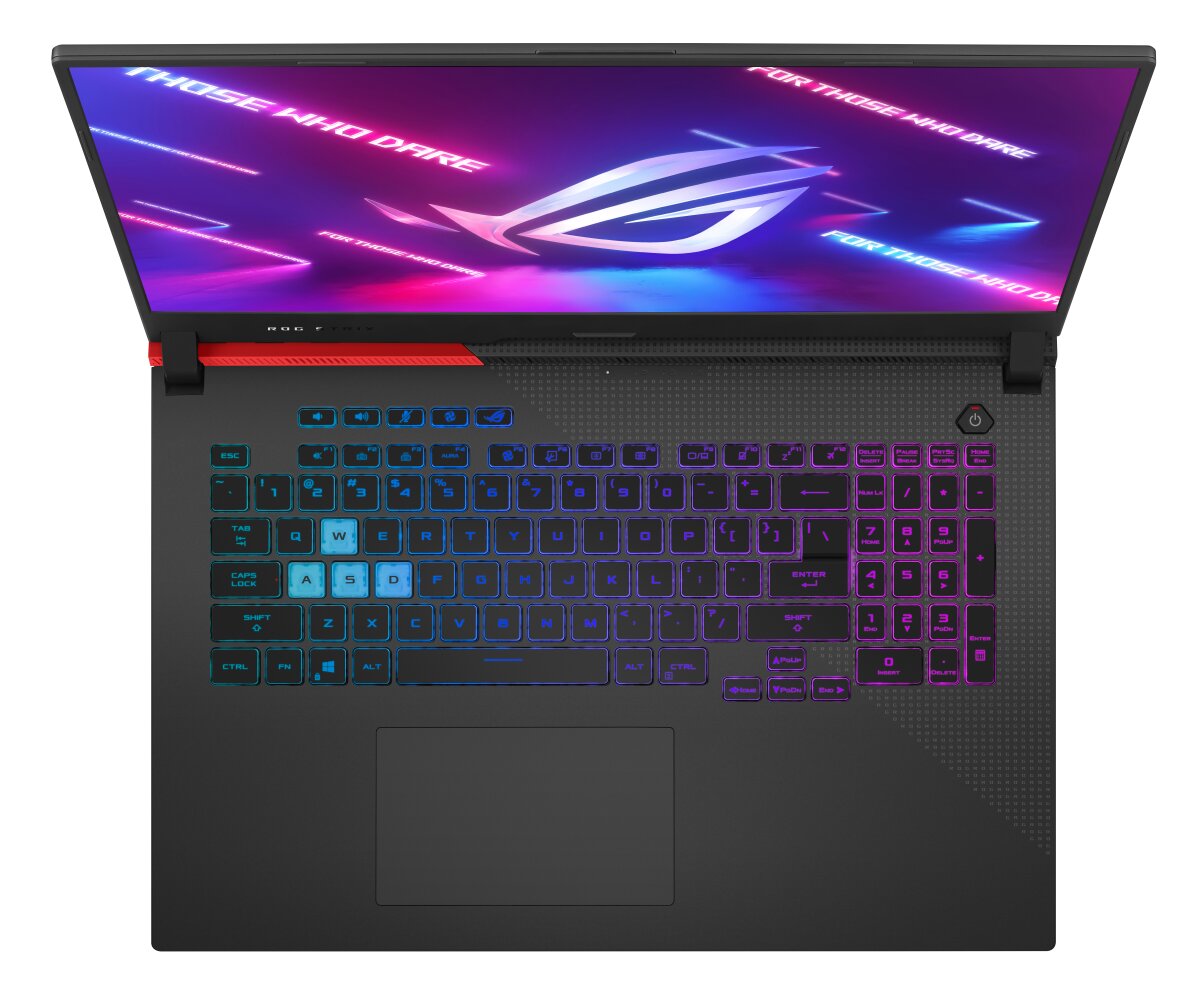

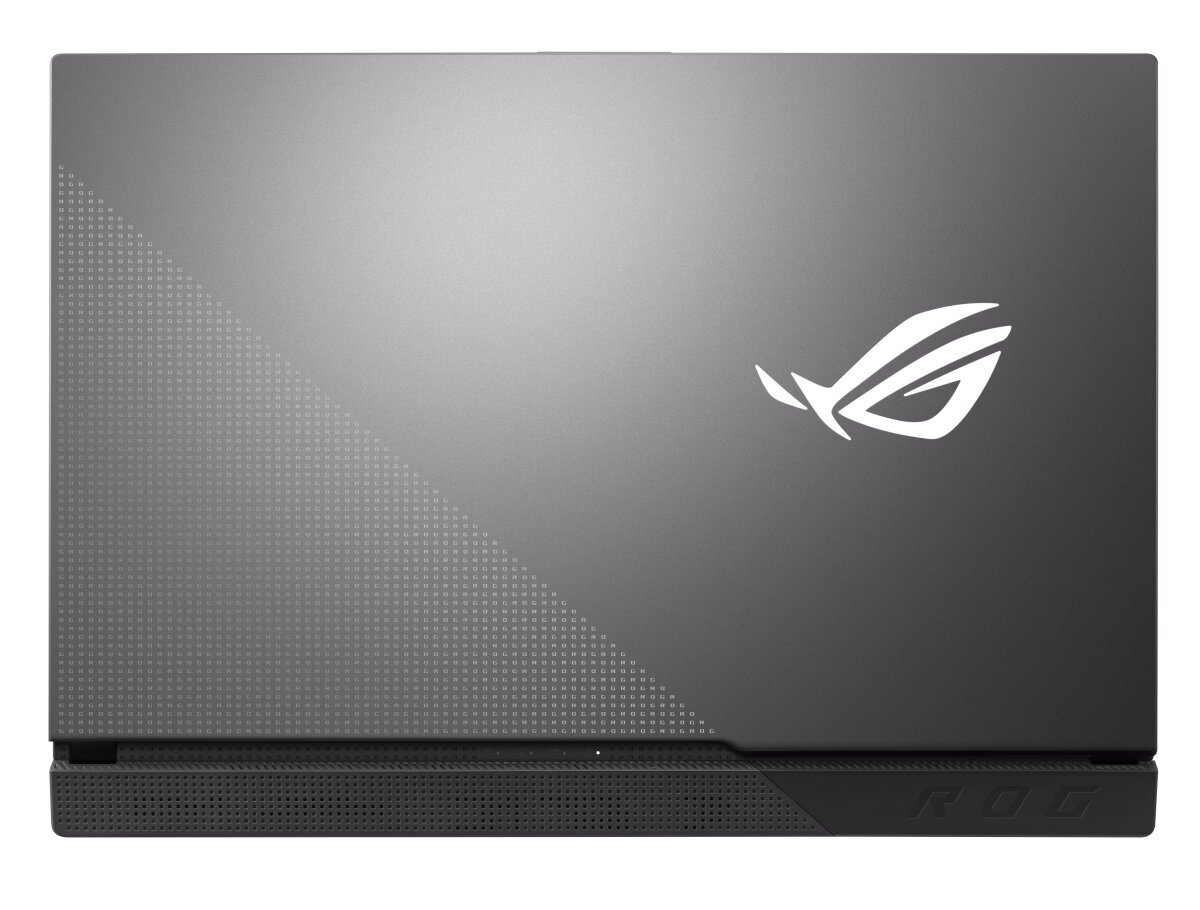

The ASUS ROG Strix G17 G713QM-HX019 features DDR4-SDRAM memory with 2x SO-DIMM slots for upgrade capabilities. The laptop specifications support a maximum RAM capacity of 32 GB, with compatible memory modules operating at 3200 MHz frequency. The SO-DIMM form factor accommodates standard laptop memory upgrades, allowing users to expand the system's memory capacity within the specified maximum specifications for enhanced performance and multitasking capabilities.
Memory Upgrade Specifications
| Specification | Value |
|---|---|
| Memory slots | 2x SO-DIMM |
| Form factor | SO-DIMM |
| Memory type | DDR4-SDRAM |
| Frequency | 3200 MHz |
| Maximum RAM | 32 GB |
| Voltage | 1.2V |
| Number of pins | 260-pin |
| Interface | PC4 |
| PC Speed Rating | PC4-3200 (PC4-25600) |
| Bandwidth | 25.6 GB/s |
| Laptop Release date | 14 July 2021 |
Additional Notes
- The ASUS ROG G713QM-HX019 chipset architecture enforces a 32 GB ceiling despite DDR4 SO-DIMM modules being available in 32 GB single-stick capacities, limiting practical configurations to dual 16 GB modules for maximum density.
- DDR4-3200 represents the native JEDEC speed for this platform, eliminating the need for XMP profile activation and reducing compatibility risks when sourcing third-party modules from multiple vendors.
- Dual-channel population is mandatory for maintaining full memory bandwidth to the integrated graphics subsystem, as single-module configurations halve the available memory interface width.
- SO-DIMM thermal constraints in gaming chassis designs typically result in modules operating within 5 to 10 degrees Celsius warmer than desktop DIMM equivalents under sustained workloads.
- The 2-slot configuration prevents capacity expansion beyond initial installation, requiring complete module replacement rather than incremental additions when upgrading from factory configurations.
- CAS latency variance between CL20 and CL22 modules at 3200 MHz produces negligible performance differences in gaming scenarios, typically under 2 percent in bandwidth-sensitive applications.
- Aftermarket RAM installation through bottom panel access maintains manufacturer warranty validity, unlike CPU or GPU modifications which typically void coverage under most regional warranty terms.
- Mixing module capacities between slots forces the memory controller to operate in flex mode asymmetric configuration, reducing effective dual-channel operation to the capacity of the smaller module pair.
- Voltage specifications are locked to JEDEC standard 1.2V for DDR4, preventing the use of higher-voltage enthusiast modules designed for overclocking in desktop platforms.
- Module height restrictions in SO-DIMM form factor eliminate heatsink clearance concerns present in tower cooler desktop builds, standardizing compatibility across all conforming DDR4 SO-DIMM products.