ASUS ROG G713QR-K4038 RAM upgrade specifications
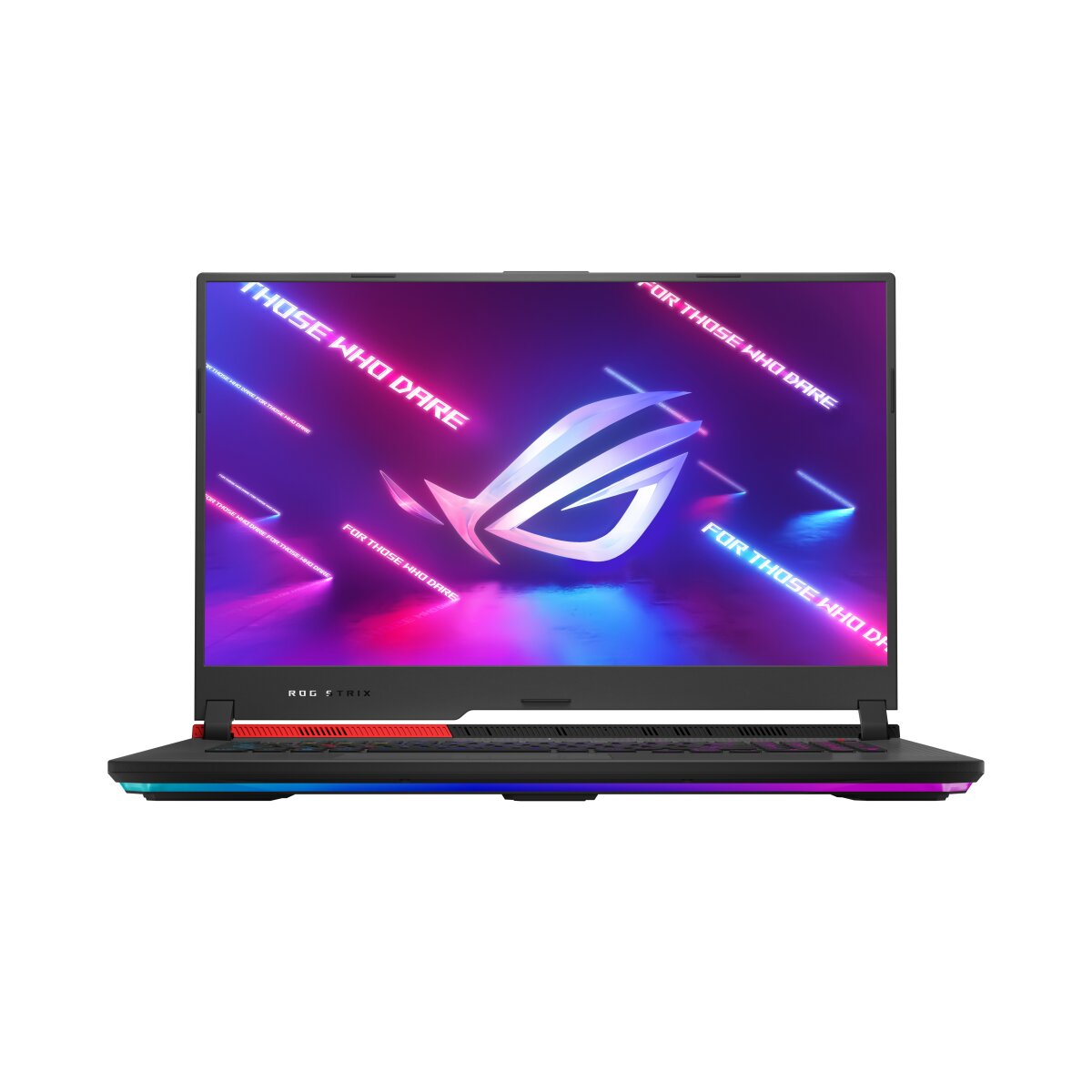
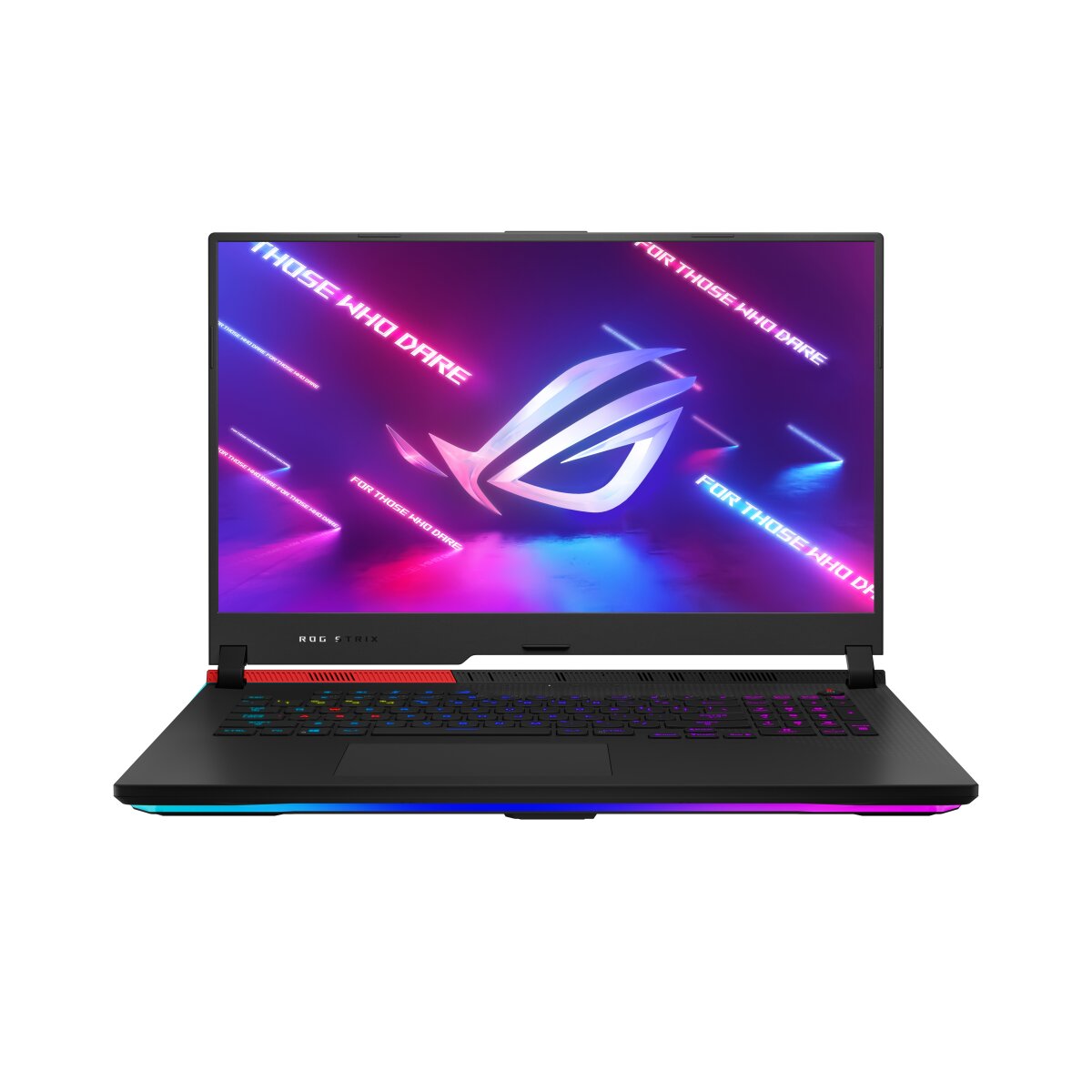



ASUS ROG Strix G17 model G713QR-K4038 features DDR4-SDRAM memory upgrade specifications with 2x SO-DIMM slots supporting maximum capacity of 32 GB total RAM. Compatible memory modules operate at 3200 MHz frequency using SO-DIMM form factor. Upgrade options allow installation of DDR4 memory modules to enhance system performance. Maximum specifications indicate potential for dual-channel memory configuration in this gaming laptop model.
Memory Upgrade Specifications
| Specification | Value |
|---|---|
| Memory slots | 2x SO-DIMM |
| Form factor | SO-DIMM |
| Memory type | DDR4-SDRAM |
| Frequency | 3200 MHz |
| Maximum RAM | 32 GB |
| Voltage | 1.2V |
| Number of pins | 260-pin |
| Interface | PC4 |
| PC Speed Rating | PC4-3200 (PC4-25600) |
| Bandwidth | 25.6 GB/s |
| Laptop Release date | 12 November 2021 |
Additional Notes
- The ASUS ROG G713QR-K4038 supports DDR4-SDRAM at 3200 MHz, which matches the Ryzen 5000 series mobile processor architecture native speed. Any memory modules operating above this frequency will downclock to 3200 MHz, eliminating performance gains from faster variants.
- The 2x SO-DIMM slot configuration means both memory slots must be populated simultaneously to achieve the 32 GB maximum capacity. Asymmetrical configurations (16 GB + 8 GB) will force single-channel operation on the smaller module, causing measurable latency penalties in gaming and content creation workloads.
- SO-DIMM form factor requires genuine laptop memory modules; desktop DDR4 components are physically incompatible and cannot be retrofitted. Third-party module installation does not typically void ASUS warranty coverage, provided the system remains sealed and no liquid damage occurs during the process.
- The 32 GB total capacity ceiling constrains future expandability. Applications requiring more than 32 GB RAM cannot be addressed through internal upgrades; external GPU acceleration or cloud compute becomes the only scaling path.
- DDR4-SDRAM's electrical specification (1.2V) differs from legacy DDR3 laptops. Cross-generation installation will cause immediate system failure or permanent memory controller damage if attempted, so existing DDR3 modules cannot migrate to this platform.