ASUS ROG G713QR-K4048T RAM upgrade specifications


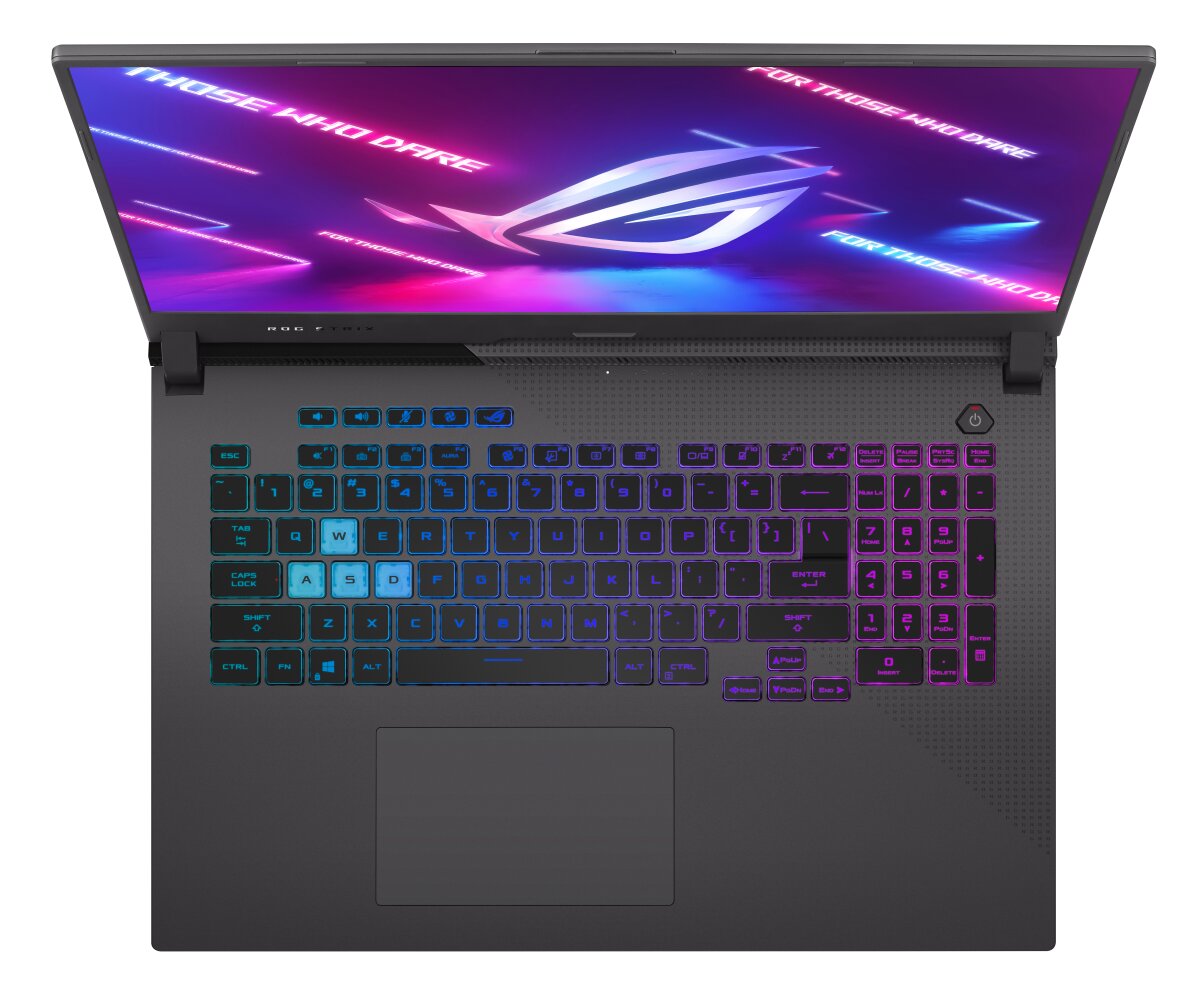
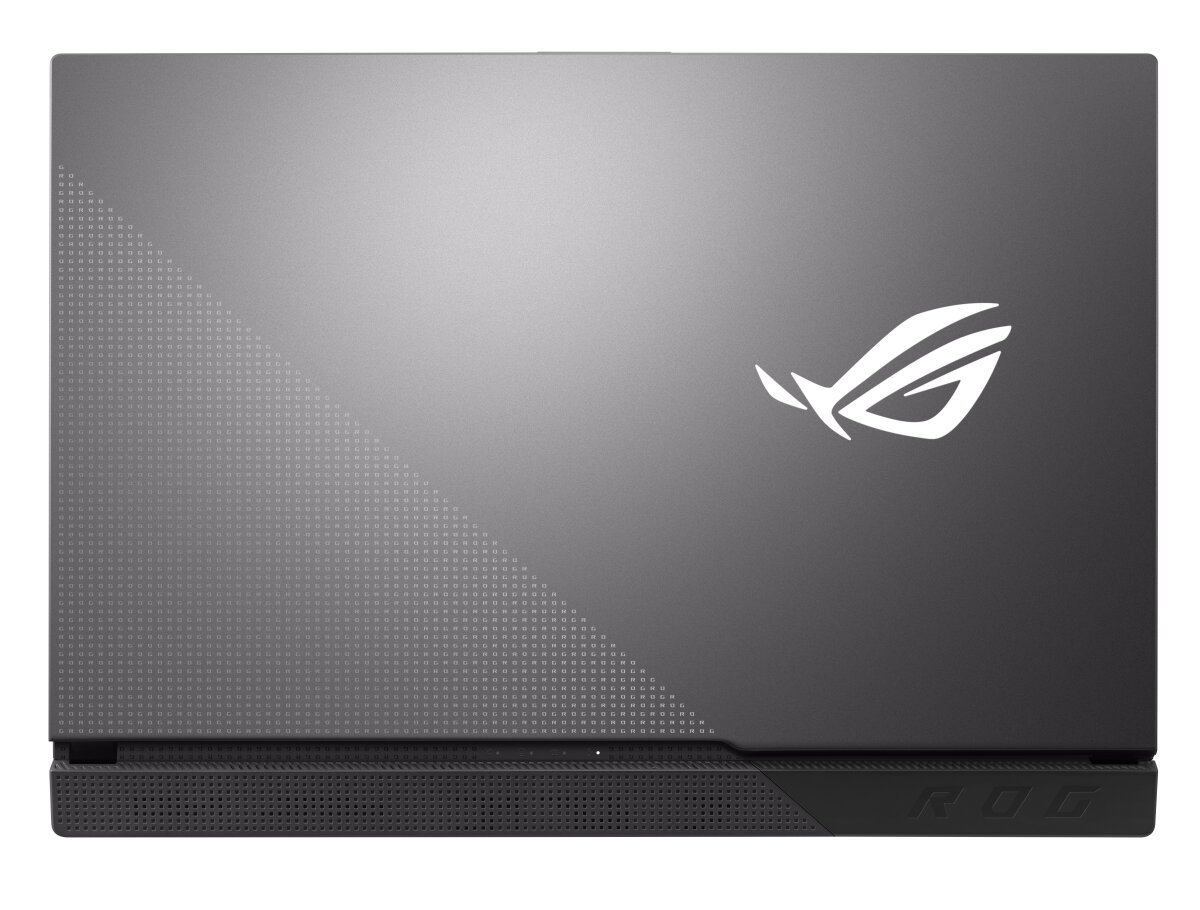
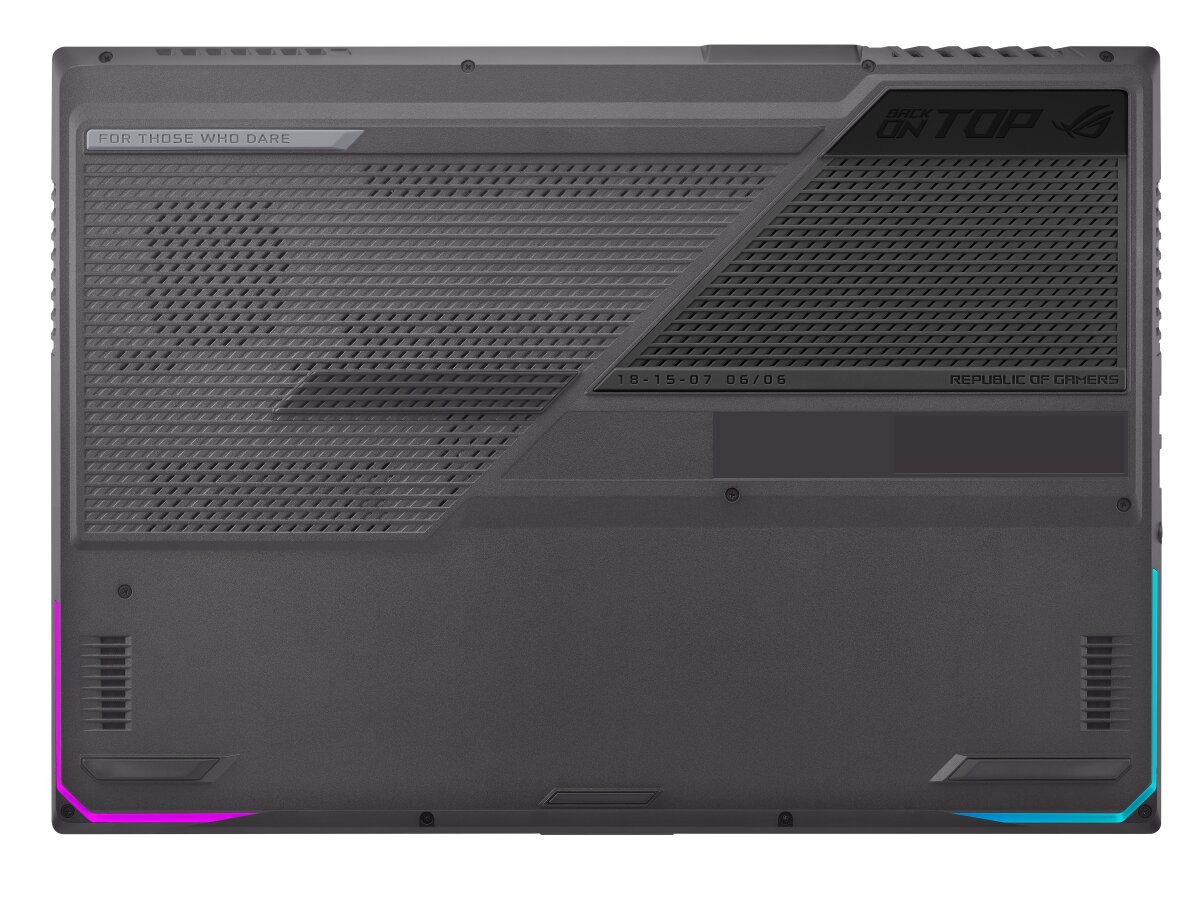
The ASUS ROG Strix G17 G713QR-K4048T laptop features 2x SO-DIMM memory slots supporting DDR4-SDRAM modules at 3200 MHz frequency. Maximum RAM capacity reaches 32 GB total. Compatible upgrade modules must match DDR4-SDRAM specifications and SO-DIMM form factor. Memory expansion specifications enable users to upgrade existing RAM configurations up to the maximum supported capacity of 32 GB.
Memory Upgrade Specifications
| Specification | Value |
|---|---|
| Memory slots | 2x SO-DIMM |
| Form factor | SO-DIMM |
| Memory type | DDR4-SDRAM |
| Frequency | 3200 MHz |
| Maximum RAM | 32 GB |
| Voltage | 1.2V |
| Number of pins | 260-pin |
| Interface | PC4 |
| PC Speed Rating | PC4-3200 (PC4-25600) |
| Bandwidth | 25.6 GB/s |
| Laptop Release date | 01 July 2021 |
Additional Notes
- The ASUS ROG G713QR-K4048T supports dual-channel memory operation through its 2 SO-DIMM slots, enabling theoretical bandwidth of 51.2 GB/s when populated with matched modules at 3200 MHz.
- Single-channel configurations reduce memory bandwidth by approximately 50%, creating performance bottlenecks in GPU-intensive applications and gaming scenarios where this system's dedicated graphics rely on rapid data transfers.
- The 32 GB maximum capacity limitation stems from chipset addressing constraints, preventing use of individual modules exceeding 16 GB regardless of future JEDEC specifications for higher-density SO-DIMMs.
- Mixing modules with different speeds forces all installed memory to operate at the lowest common frequency, negating the performance benefits of faster-rated modules.
- Non-matching CAS latencies between mixed modules cause the memory controller to apply the highest latency timing across all channels, increasing effective latency beyond what individual module specifications suggest.
- DDR4 SO-DIMM modules operate at 1.2V standard voltage, with certain XMP/overclocked profiles requiring voltage adjustments that may exceed thermal design tolerances in compact laptop chassis.
- Accessing memory slots typically requires complete bottom panel removal, with potential warranty implications if tamper-evident seals are present or damaged during disassembly.
- ECC memory modules present physical compatibility but lack functional support in consumer-grade implementations, operating only in non-ECC mode with error correction features disabled.
- The 3200 MHz specification represents JEDEC standard DDR4-3200, distinguishing it from overclocked speeds that require BIOS-level XMP profile activation not universally available in laptop firmware.
- Rank configuration affects compatibility, as dual-rank modules impose higher electrical loads on the memory controller that may prevent stable operation when populating both slots at maximum capacity.